Read

Summaries of Clinical Cases
Blepharospasm- Case report 2
Nimesha vyadhi

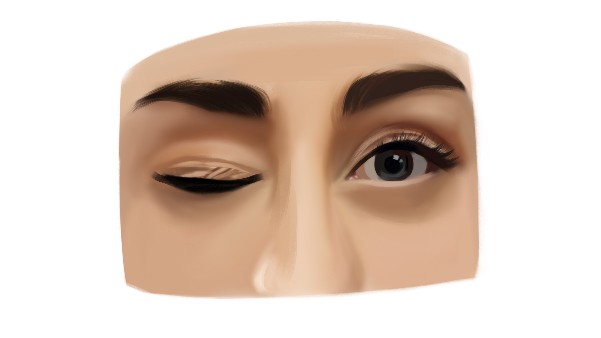
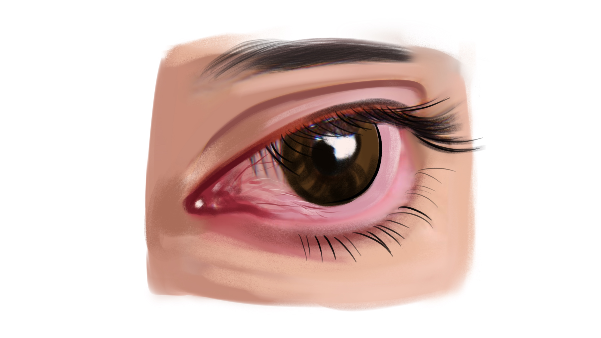
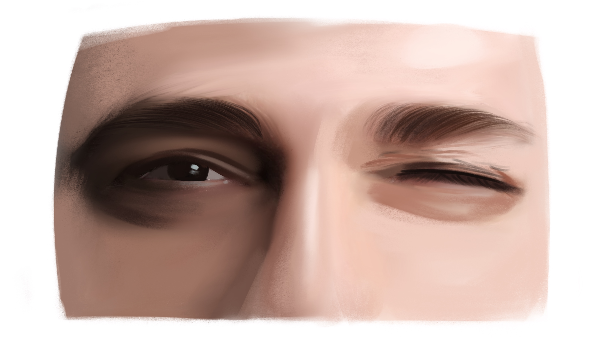
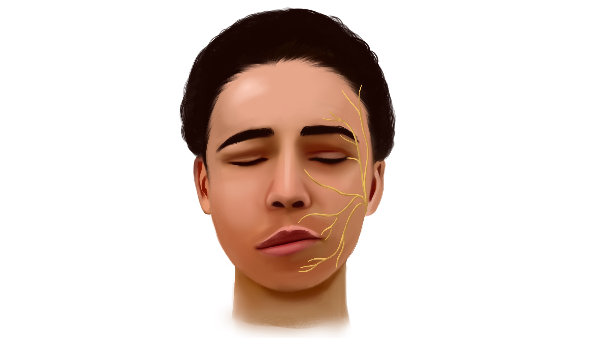
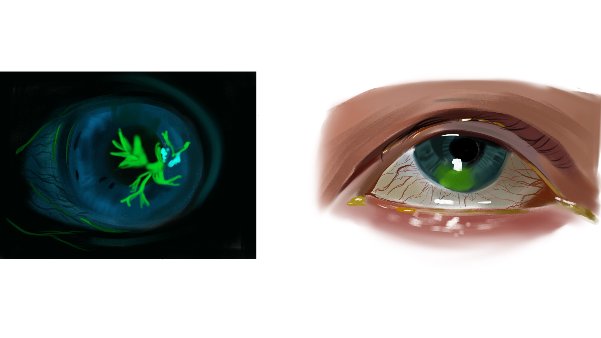
A 57 year old female patient complained of repeated blinking of the right eye associated with dryness of the eye, difficulty in concentrating gaze and difficulty in reading since 7 years. At the onset of symptoms, she had consulted an allopathic doctor. As suggested by the allopathic doctor, an MRI Brain was done that did not reveal any anomaly and Acetylcholine Aeceptor Antibody test yielded non-significant results. The biomedical diagnosis was made as Blepharospasm based on the clinical evaluation. She underwent standard of care for 2 years, but the condition persisted. After another 5 years, she decided to try Ayurvedic treatment. She approached Dr Anupama Deopujari. Based on clinical evaluation, the biomedical diagnosis was confirmed as Blepharospasm, and the ayurvedic diagnosis as Nimesha vyadhi. The line of treatment followed was vatanashaka, mamsabalavardhaka and balya. Formulations to strengthen the mamsa dhatu were included in the treatment. With one month of treatment, the complaint of dryness reduced, and blinking slightly reduced. With one month of treatment, the complaints of dryness reduced, and blinking slightly reduced. After 1 year and 8 months of treatment, there was a significant reduction in blinking frequency and the deviation of gaze was reduced. The dryness of eyes was completely cured and there was significant improvement in reading capacity. This case report demonstrates the successful ayurvedic management of a chronic case of blepharospasm in a 57 year old female, who did not get relief inspite of taking standard of care for 2 years.

Bilateral Papilledema with idiopathic intracranial hypertension
Shiroroga- Shirashoola-

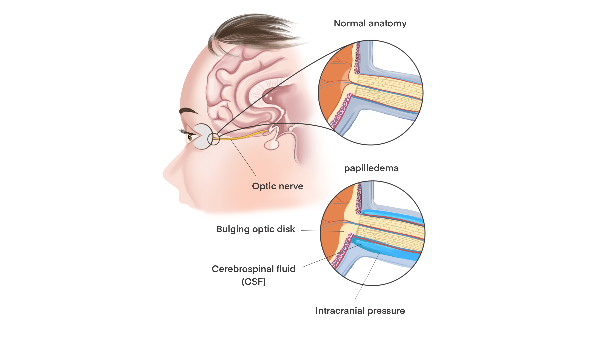
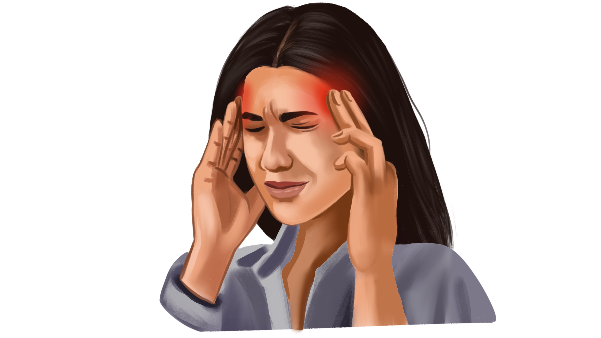
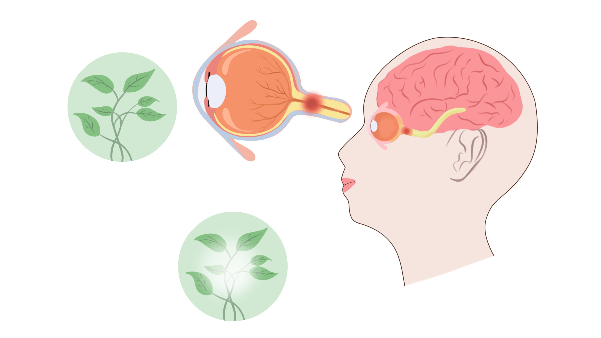
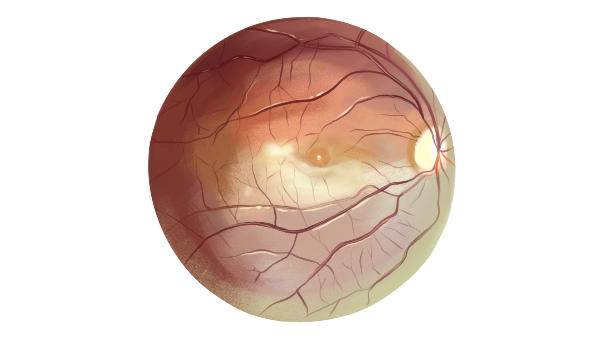
A 38-year-old female patient presented with recurrent episodes of headaches since 3 months which were triggered by loud noise and the honking of vehicles. She also had persistent heaviness on the right side of her head. She consulted an Opthalmologic Surgeon and was diagnosed with Bilateral Papilledema along with idiopathic intracranial hypertension, right is more than left. Despite taking allopathic medication and doing a lumbar puncture, the condition persisted. So she was suggested to undergo brain shunt surgery. The patient refused surgery and opted for Ayurvedic management, and approached Dr Preethi Chhabra. The condition was diagnosed as shiroroga -shirashoola in Ayurveda. The line of treatment followed was Raktamokshana with jalauka as it is pitta and rakta vyadhi hara. Moderate relief in heaviness on the right side of the head was noticed from the first session of Jalaukavacarana. After 3 to 4 sessions of jalaukavacarana, patient had significant relief from all the symptoms. No further episodes of headaches were noticed after 10 sessions of jalaukavacarana. VAS score before treatment was 8 which became 1 after treatment. After treatment, the patient had vision improvement and papilledema resolved. This case report demonstrates the standalone ayurvedic management of papilledema with idiopathic intracranial hypertension, in a patient who did not get relief even after taking allopathic medications and undergoing a lumbar puncture. 

Osteoarthritis
Sandhivata

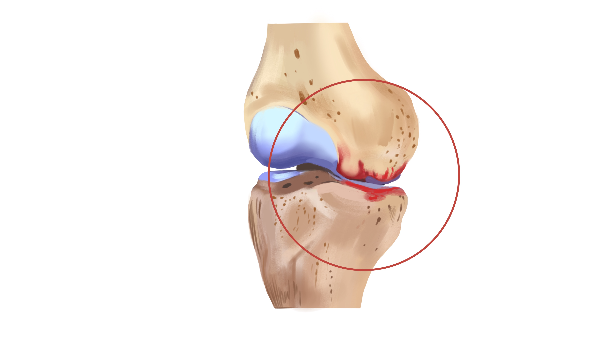
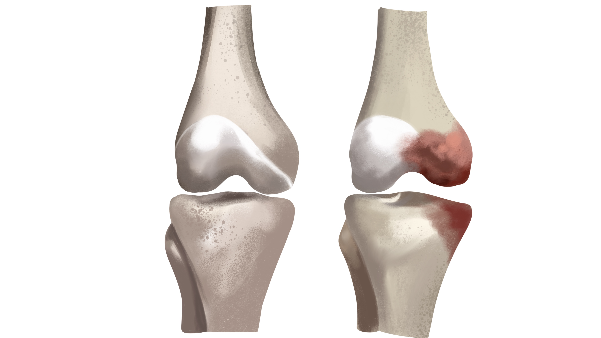
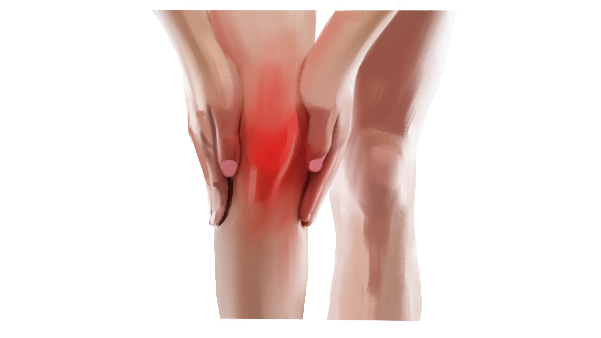
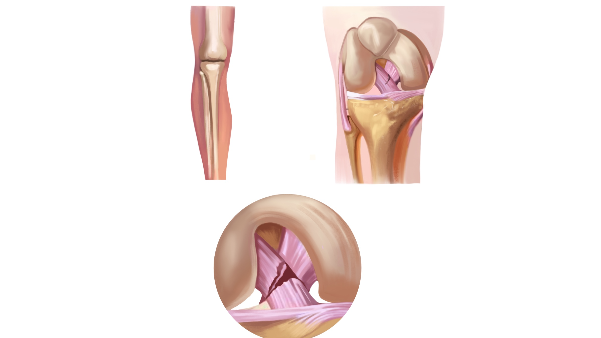
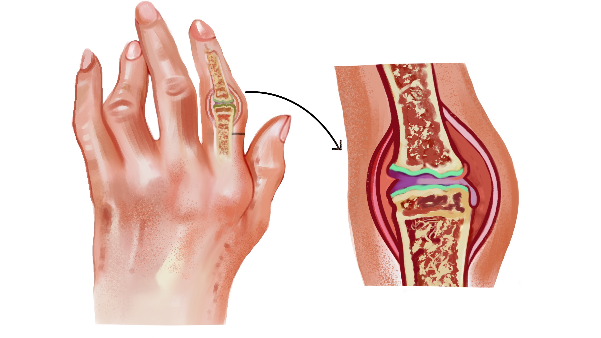
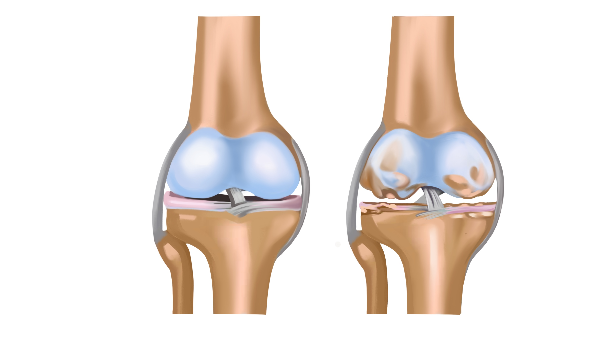
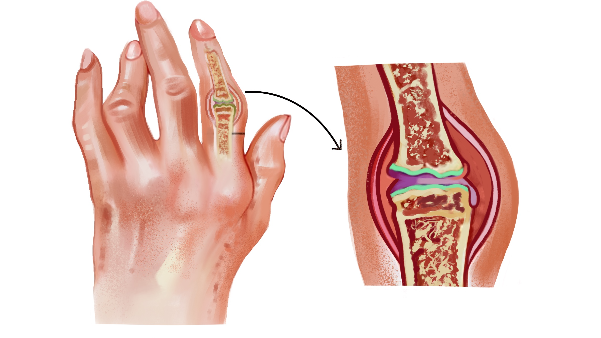
A 73-year-old female patient  presented with multiple joint pain on & off without any specific trigger factors for 4 years. Condition got aggravated in the last 1 year.  The associated symptoms are severe abdominal bloating, incomplete bowel evacuation even with laxatives and disturbed sleep. She is a known hypertensive, and is on regular allopathic medication. She took ayurvedic medicines for knee pain for 3 years and got significant relief. But for the presenting complaints, there has been no prior consultation or treatment. The patient approached Dr Partap Chauhan for better Ayurvedic management. On examination, there was pain and swelling in both knees. Based on the clinical examination and X-Ray of the knees findings, the biomedical diagnosis was made as Osteoarthritis and Ayurvedic diagnosis as sandhivata. The line of treatment followed was Vatanulomana, vatapitta shamana, sroto shodhana and ama pacana. Within 1 month of starting treatment, there was a significant reduction in pain and swelling. In 7 months, only mild constipation and bloating persisted. In 11 months, the dose of the anti-hypertensive drugs could be tapered. VAS recorded as 7 at baseline for multiple joint pain reduced to 2 at endpoint. In 1 year and 10 months, the patient got complete relief from all the symptoms. Repeated Xray taken revealed improvement. This case report demonstrates the integrative management of Osteoarthritis in a patient who had been suffering from this condition since 4 years and was worsening.

Esophageal Cancer- Grade 2
Arbuda

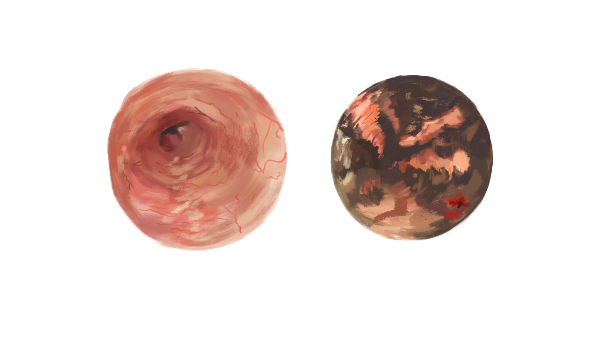
A 57-year-old female patient, presented with difficulty in swallowing food, loss of appetite and significant weight loss for 4-5 months. She was able to take only a soft diet and liquids. She aslo had abdominal pain on & off. There was no prior consultation. The patient consulted Dr Zankhana, who recommended Invasive investigations like OGD/HPE/PET-CT Scan. Based on the reports, the biomedical diagnosis was confirmed as moderately differentiated squamous cell carcinoma of the esophagus, grade -2. She was directed to an Oncologist, who advised Chemotherapy and Radiation therapy followed by surgical resection. . An integrative approach was advocated for the management of this clinical condition. The Ayurvedic diagnosis was Arbuda.  The line of ayurvedic treatment followed was dipana, pacana, balya and ojo vardhana. The medicines also targeted at addressing the symptoms like lack of sleep, colic and stress. The Chemo and radiation therapy were also carried on as scheduled by her oncologist. Based on the Patient-reported outcome scale and the Physician outcome scale, it was evident that there was a significant change in the symptoms. After 1 month of treatment, she was able to take solid food. There were no episodes of vomiting or burning sensation in the abdomen. VAS recorded 10 at baseline reduced to 3. After 2 months of treatment, there was a significant improvement in the WBC and platelet count. After 3 months of treatment,  she underwent surgery for tumour removal. Last follow-up done was after 7 months, which revealed the patient was fully back to her normal routine. PET revealed a tumor-free status. This case report demonstrates the successful intergrative management of Esophageal cancer. 

Amyotrophic Lateral Sclerosis- Bulbar Onset
Mastulunga Majja Kshaya- Kapha Avruta Udana

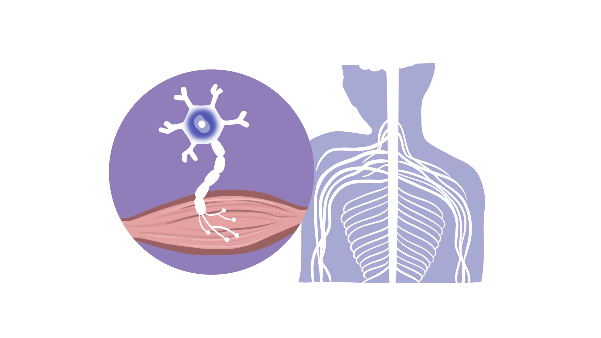
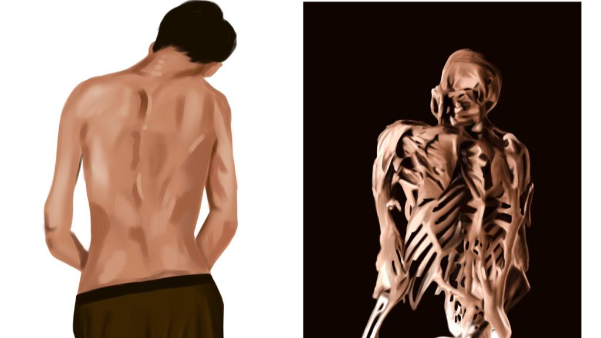
A 50-year-old female patient presented with muscle wasting and weakness in both upper and lower limbs for the past 5 years, along with slurred speech, difficulty in swallowing liquids, and a weight loss of nearly 12 kgs over the last year. The symptoms started in 2019. She took allopathic medicines, but there was no relief in symptoms, and the condition was progressing. In 2021, based on the focused exome sequencing and deletion/duplication test report, the allopathic doctor confirmed the biomedical diagnosis was confirmed as Amyotrophic Lateral Sclerosis- Bulbar onset.  She wanted to try Ayurveda and so she consulted Dr Zankhana in February 2023. The ayurvedic diagnosis was Mastulunga Majja Kshaya: Kapha Avruta Udana. The line of treatment followed was tridosha shamana, agni vardhana, indriya bodhana, balya and brimhana. After 1 month of starting ayurvedic treatments, the appetite, sleep and writing ability improved. The Standard and patient outcome scales indicated that the disease has not progressed. The ayurvedic medicines were stopped after 2 months and the patient was advised to come for a follow-up after 6 months. This case report narrates the successful integrative management of ALS- bulbar onset in a female, who was on conventional medicine for a long time, but the disease was progressing and the symptoms were worsening. With supportive Āyurvedic treatments, the symptoms could be maintained without further deterioration.

Multiple sclerosis
Vatavyadhi

A 46-year-old female, diagnosed with Multiple sclerosis presented with difficulty in walking, writing, and fine movements asoociated with involuntary  nodding of the head since 2 years. The patient was normal until 14 years back. In 2008, she developed a sudden blurring of vision for which she took the standard of care. She was diagnosed with Retrobulbar neuritis. Etiological workup was done, and she was discharged. Based on MRI findings, she was provisionally diagnosed as Multiple Sclerosis. Her vision was recovered but had fatigue that she managed with home remedies. In 2009, the condition relapsed. The biomedical diagnosis was confirmed as Relapsing-remitting Multiple sclerosis with Brain MRI. By 2014, the patient developed difficulty in writing, she noticed that her handwriting started changing. By 2019, the symptoms worsened, and she developed nodding of head, an inability to walk and repeated episodes of tremors. In spite of taking conventional medicines, the outcome was not satisfactory. In 2021, she consulted Dr Shibu Varghese. The ayurvedic diagnosis was Vatavyadhi. The line of treatment followed was to correct dhatvagni, adopt dhatugata and sannipata jvara cikitsa, use of tikta rasa followed by madhura rasa and rasayana cikitsa. The outcomes were assessed based on EDS Scale, Ambulation Index, and Neurologic physical examination. After 2 weeks of treatment, patient could walk without support. The frequency of head nodding reduced, handwriting of the patient has improved. The EDS scale that was 7 before treatment became 2 after ayurvedic treatment. The ambulation index was recorded 2 pre-treatments became 0 after treatment. The patient is continuing the medicines and advised to come for regular follow ups.

Left Lobe Pulmonary Mucormycosis
Kaphaja Krumi (Fuffusa gata Krumi)

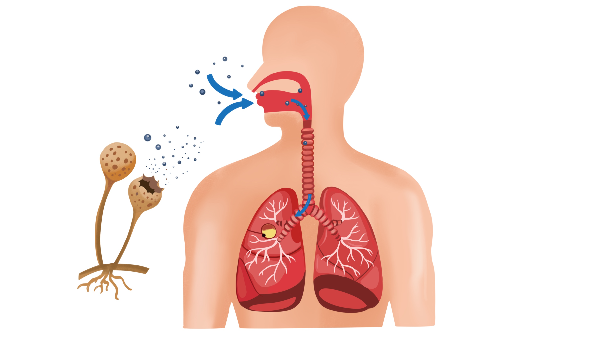
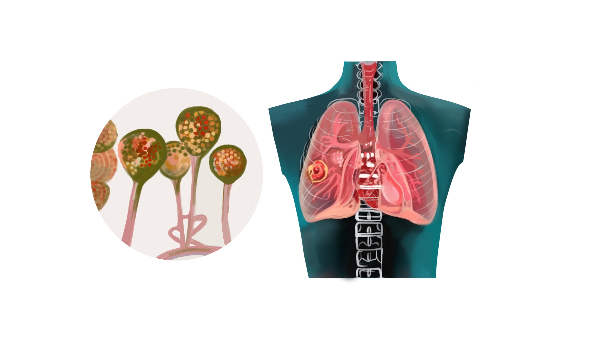
A 63-year-old male patient was suffering from severe breathlessness even when engaged in a simple activity like walking, standing up, or climbing stairs; severe weakness, cough (Dry and Wet) sometimes with fresh blood and weight loss in August 2021. He had a history of Covid 19 Pneumonitis on 10.6.21. Post covid he took 1 week of Inpatient treatment at Orange Hospital for generalized weakness and decreased oral intake (21.6.21- 28.6.21). HRCT Lungs revealed a left lower lobe lesion with consolidation and Bronchoscopy + BAL was planned. The sample was sent for further investigation in which Bacterial C/5 showed Pseudomonas aeruginosa isolated and started antibiotics. Biopsy revealed Fungal Hyphae and Inj Amphotericin B (5 doses given). Follow-up HRCT lungs revealed the same left lobe consolidation lesion and advised surgery and meanwhile continue Injection Amphotericin- B. The risk of surgery and its grave prognosis taking into consideration the age, history of CABG, LV Dysfunction and DM, and HTN were explained to the family. So, the family requested discharge and then approached Dr Rajnikanth. The ayurvedic diagnosis was Kaphaja krimi (Fuffusa gata) and treated along the principles of Krimiroga cikitsa. The treatment principles mentioned for kaphaja krimi, kushta, asthimajjagata kushtha, krimijanya shiroroga, dushivisa, shvasa and raktaja krimi were followed. Within 1 week of starting Ayurvedic medicines, there was an improvement in symptoms. The assessment pre and post-treatment were done based on a 128 Slice Dual Energy CT scan of the chest.  The scan done on 16.5.22, showed significant regression in the lung lesions. He is continuing the ayurvedic medicine and is in remission.

FOP (Fibrodysplasia ossificans progressiva)
Adhyastyashrita Vatavyadhi (Sahaja)

A 11-year-old boy was diagnosed with Fibrodysplasia Ossificans Progressiva. The biomedical diagnosis was confirmed with the gene test. The genomic DNA sample was analysed for mutations in the gene known to cause fibrodysplasia ossificans progressiva. At the age of 5, the kid had undergone open surgical correction by excision of ossifications mass on the left hip with tube cast application. Later, he developed bending of anterior spine with restriction of left hip and knee joint. Symptomatic management was done with standard of care. The parents wanted to try Ayurveda to improve the quality of life and so approached Dr KG Raveendran. The symptoms at the time of consultation were difficulty in lying down over the back, complete restricted movements of the neck, right shoulder and right hand.  The patient also complained partial restriction of various other body parts due to deformity. There was also swelling in the joints. The Ayurvedic diagnosis was Adhyasthyashrita Vata Vyadhi and treatment was administered on the lines of Dhatugata Jvara Cikitsa. The patient underwent one and a half months of In-Patient Ayurvedic treatment. After Ayurvedic treatments, there were improvements in the range of movements in the lumbar, shoulder, cervical joints and right leg. The prominent bony projections in the back appeared to have reduced in size. There was a significant improvement in the Quality of Life.  This case demonstrates the role of Ayurvedic intervention in improving quality of life in a progressive congenital disorder which has no effective treatment. 


Crohn’s Disease
Pittatisara

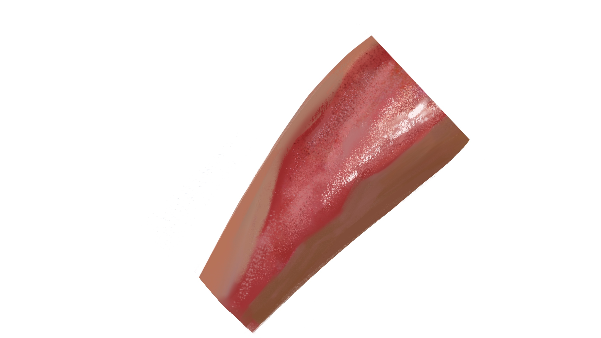
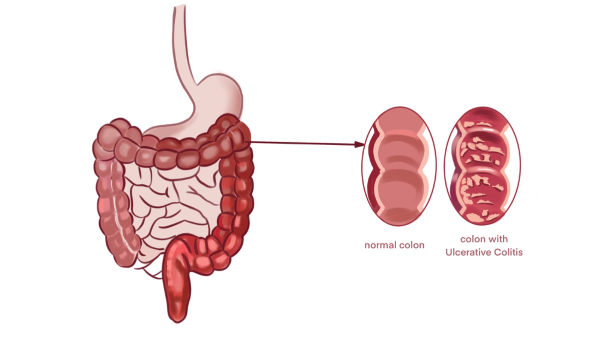
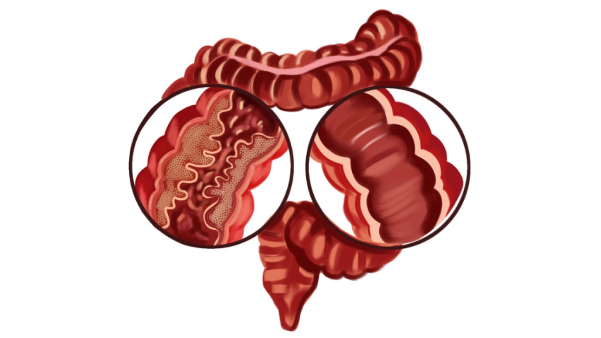
A 33-year-old male patient, an Ayurveda graduate from Bengaluru, was suffering with frequent watery stools with mucus and blood. He was diagnosed with Crohn’s disease. The biomedical diagnosis was confirmed with Ileocolonoscopy and biopsy. He had tried conventional medicines prescribed by different doctors over a period of two years but did not get significant relief. So, he decided to try Ayurveda and consulted Dr S N Gupta. The presenting complaints were frequent bowels, defecation with mucus and blood, burning sensation in the chest, pain in the epigastric region, along with disturbed sleep and weight loss since the last three years. He had also developed side effects like back pain due to osteoporosis because of the steroid therapy that he had been taking. This condition was diagnosed as Pittatisara- advanced stage and the treatment targeted pacifying rakta and pitta, along with vrana ropana and dipana karma. At the time of hospitalization, the patient was taking medicines like Tab. Mesacol (1.2 gram) twice a day, Cap. Pentoprazole one tablet per day, Tab. Clonotril plus (Clonazepam + Escitalopram) once a day. All these medicines were stopped after one week of Ayurvedic treatment and the patient got complete relief from his symptoms after the treatment. The Harvey Bradshaw scoring done by the patient in January 2022, indicated that he is in remission. Patient is still continuing Ayurvedic medicines, strictly adhering to the diet and lifestyle as prescribed.  

This case report portrays the successful management of a chronic condition like ulcerative colitis with Ayurvedic treatments. 

Cervical myelopathy
Sarvanga vata

Ayurvedic management of cervical myelopathy- A case report  

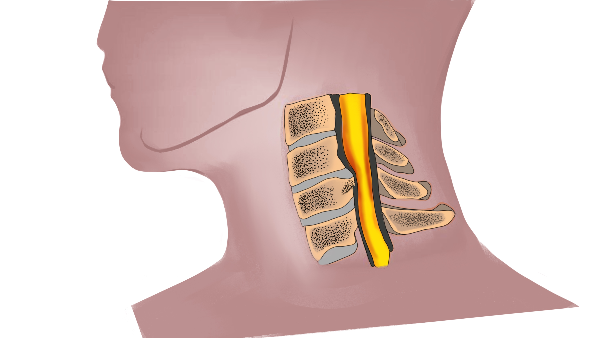
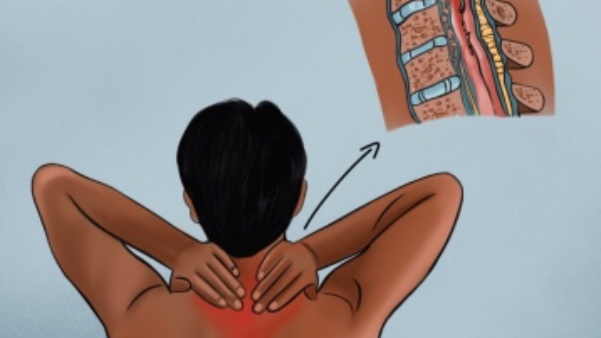
A 36-year-old diabetic male patient was diagnosed with cervical myelopathy. The diagnosis was confirmed by an MRI dorsal spine which revealed symmetric T2 hyperintensity in the long segment of the spinal cord. He was confined to bed during the course of treatment. The patient was administered steroids and other undisclosed supportive medications for 2 months. Urine and bowel incontinence was present during the initial period which resolved with the standard care treatments.  The symptoms such as the weakness and loss of sensation in both lower limbs associated with weakness and occasional numbness of upper limbs persisted. The patient opted Ayurvedic treatment for further management and approached Dr Mukesh. The Japanese Orthopedic Association scoring was Grade 2, revealing reduced sensory and motor functions. The physician diagnosed this clinical condition as Sarvanga vata. Rukshana therapy was administered followed by Vata Samana and Rasayana therapy. At the time of discharge, after 38 days of treatment, numbness of the upper limb reduced with improved muscle power and other sensory parameters of both upper and lower limbs. In the follow-up, after 2 months the Japanese Orthopedic Association scoring indicated a normal functioning grade. The patient is now able to walk without any support.    This case report demonstrates the scope of Ayurvedic treatment in disabling cervical myelopathy.   


Chronic Liver disease (alcohol induced)
Yakrtodara complicated with Jalodara

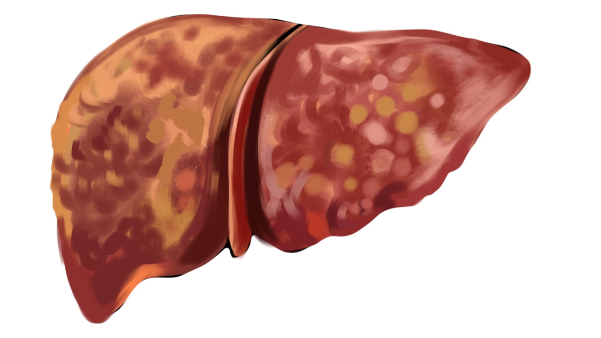
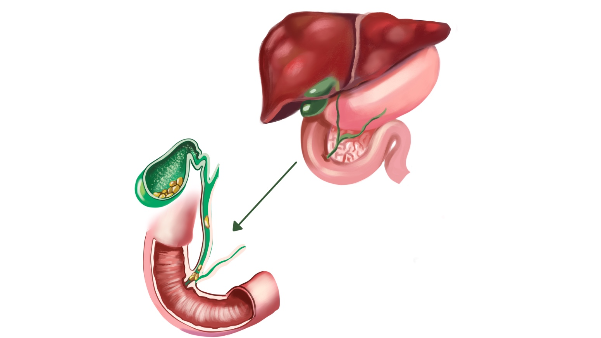
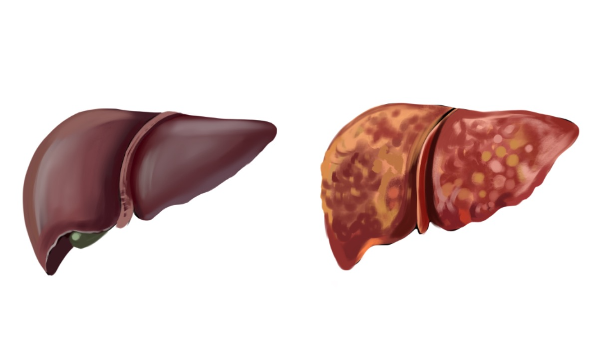
A 40-year-old male patient was diagnosed with alcohol-induced chronic liver disease. The biomedical diagnosis was based on the clinical presentation, Endoscopy, and blood investigations like Liver Function Tests and Kidney Function Tests. He was on conventional medicines since for one and a half months.  The Liver Function tests revealed very high values of Bilirubin (Total, Direct and Indirect) and SGOT). The creatinine value was also elevated. The patient did not respond to the standard of care for protecting the Liver and was worsening clinically. Due to elevated blood parameters and aggravating symptoms, he was advised Liver transplantation, but the patient refused the treatment.  He opted for Ayurveda and approached Dr S N Gupta. The presenting complaints were abdominal pain, loss of appetite, generalized weakness, itching, and swelling over the legs. On clinical examination, he had icterus, yellow discoloration of skin, mild distension of the abdomen and pedal edema. This condition was diagnosed as Yakrtodara with jalodara as a complication. The ayurvedic treatment target was Tridosha shamana, mutra virecana, yakrit samrakshana, dipana, pacana and rasayana. The patient was hospitalised and underwent treatment for two months. Most of his symptoms were relieved except for mild itching and mild yellow discolouration of sclera. The accumulation of abdominal fluid also reduced, resulting in the reduction of abdominal girth.  In the first follow-up, the itching was relieved. In the second follow-up, the yellow discolouration of the sclera was relieved. Follow-up was done every month, and the patient is completely free of symptoms.  The liver function tests, and the Creatinine became normal. The patient is now in remission and has been advised to strictly abstain strictly from alcohol, and tobacco. Diet and lifestyle modifications were also strongly recommended. 

This case demonstrates that Ayurvedic treatments can successfully  manage certain cases of Alcohol induced chronic liver disease with significant improvement in the subjective and objective parameters.  

Chronic Menorrhagia
Asragdara


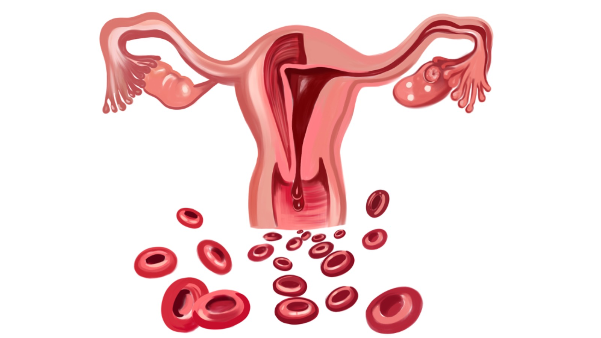
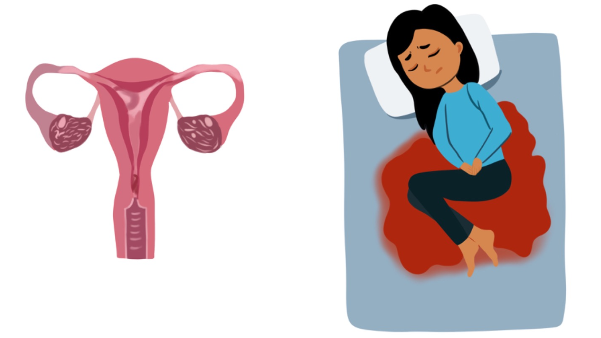
Menorrhagia can be defined as abnormally heavy or prolonged bleeding at menstruation.  Menorrhagia is one of the most common gynaecologic complaints in women. 

A Forty one year-old woman has been suffering from menorrhagia for 5-6 years. Since menarche at the age of 13, she always had a very painful menstruation. Now, there is heavy vaginal bleeding associated with severe abdominal and pelvic pain.  Periods was always irregular, prolonged (sometimes lasted 15 days), frequent: sometimes 3-4 times in a month. Despite taking 5-6 pain killers/day and hormonal injections prescribed by her general physician, only her per vaginal bleeding could be kept under control, but the pelvic pain persisted. In 2018, as the vaginal bleeding increased, she was taken up for hysterectomy. During Exploratory laparotomy, adhesion of internal organs were diagnosed. So, hysterectomy could not be done. All the specialist she consulted in Mumbai and Hyderabad suggested that until menopause the condition must be managed with pain killers and hormonal injections. So, she decided to stop the allopathic medications and consulted Dr Jyoti Joshi who diagnosed this condition as Asrgdara. The treatment principle followed was that of Gulma Cikitsa.  Vasti was administered to correct the Vayu Apamarga. The patient is on regular ayurvedic treatments since 2 years (22nd Aug 2019 onwards) and is still continuing them. Her period is regular and normal, with no abdominal or pelvic pain. This has boosted her up psychologically also. Her blood parameters are satisfactory.  


Complex Partial Seizures
Bhaya Janya Apasmaram

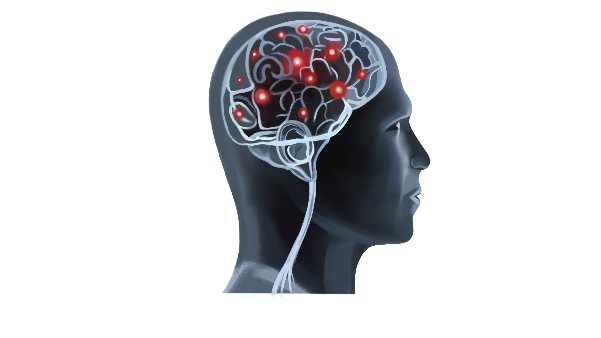
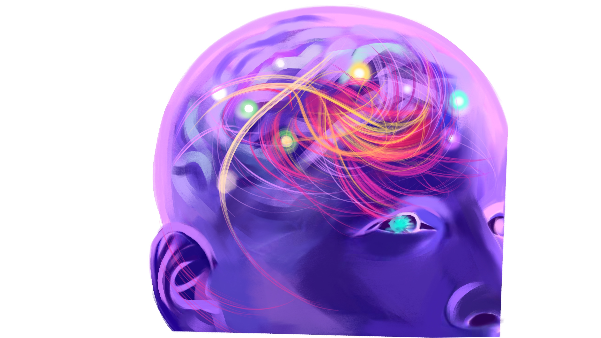
A 43-year-old female, was suffering from with frequent episodes of seizures without loss of consciousness. She was clinically diagnosed with Simple Partial Seizure, and started conventional medicines. In spite of this, the clinical condition progressed to Complex partial seizures over a period of 7 months. She developed associated symptoms like heavy mood swings, sleep disturbances, and headache, and so, she was prescribed psychiatric medicines. The patient was reluctant to take these medicines and opted for Ayurvedic management. The patient approached Dr Govind Narayanan, with the presenting complaints of seizures with blackouts. The episodes are prone to get triggered when there are emotional disturbances and close to her menstruation cycle. This was diagnosed as Bhayajanya Apasmara.  The MRI Brain and EEG were normal, indicating that there was no major pathology, and it was more affliction at a mental level. With Ayurvedic management as an Out-Patient and two weeks of In-Patient treatment, there was a significant improvement in the quality of life. Her frequency of seizures, her fear and anxiety reduced to an extent that that she started travelling alone in a car and bus, which she could not do earlier. Her regular Anti-epileptic drugs could be reduced in dose gradually and stopped altogether after ten months of Ayurvedic treatments.  
The take-away lesson from this case report is that an integrative approach with Ayurveda can help manage a clinical condition like Complex partial seizures, that which is progressive in nature and non responsive to the standard of care.  

Acute Respiratory Distress Syndrome (ARDS) in COVID 19
Sannipata Jvara

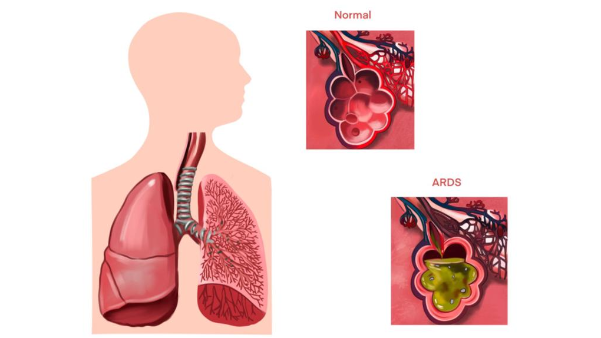
A 30-year-old female COVID positive patient was hospitalised on 7th May 2021 presenting with fever, body ache, and breathing difficulty since 1 week. On 10th May, her saturation was dropping to less than 90 even with 15 litres of NRBM. She was shifted to ICU.  On 19th May, saturation dropped to 40 and she started gasping for breath. The patient also developed high grade fever and diarrhea. In spite of treatment with strong antibiotics and steroids, her condition rapidly deteriorated, and she presented with acute respiratory distress syndrome. The  SpO2 dropped to 40, that demanded immediate intubation. Her blood parameters like TC, LFT, CRP, IL-6 were elevated, inspite of treatments. An emergency was declared, and the grave prognosis was explained to the family. The family did not want to intubate and requested to try Ayurvedic management. Dr Aswath Rao, who is a Junior resident, General Surgery- Bengaluru Medical college, under the guidance of his parents, Dr Ramesh and Dr Shobha Rao who are Ayurvedic Doctors, as per request of the family and with permission from the Hospital authorities, gave the Ayurvedic medicines.  SpO2 normalized within 2 hours of starting the Ayurvedic treatment, and then remained stable throughout. The Liver Function Test, Total Count, CRP and IL-6 that were elevated normalized within 5 days. All Ayurvedic medicines were stopped after 20 days. The patient became stable and after the Respiratory distress was managed, she completed her course of modern medicine in the hospital and was discharged.  

Take Away Message- This case report is an exapmle for the successful management of an emergency clinical condition like acute respiratory distress syndrome with Ayurvedic medicines. Here, an integrative approach helped the patient to come back to normal.