Featured Case
-
Abstract
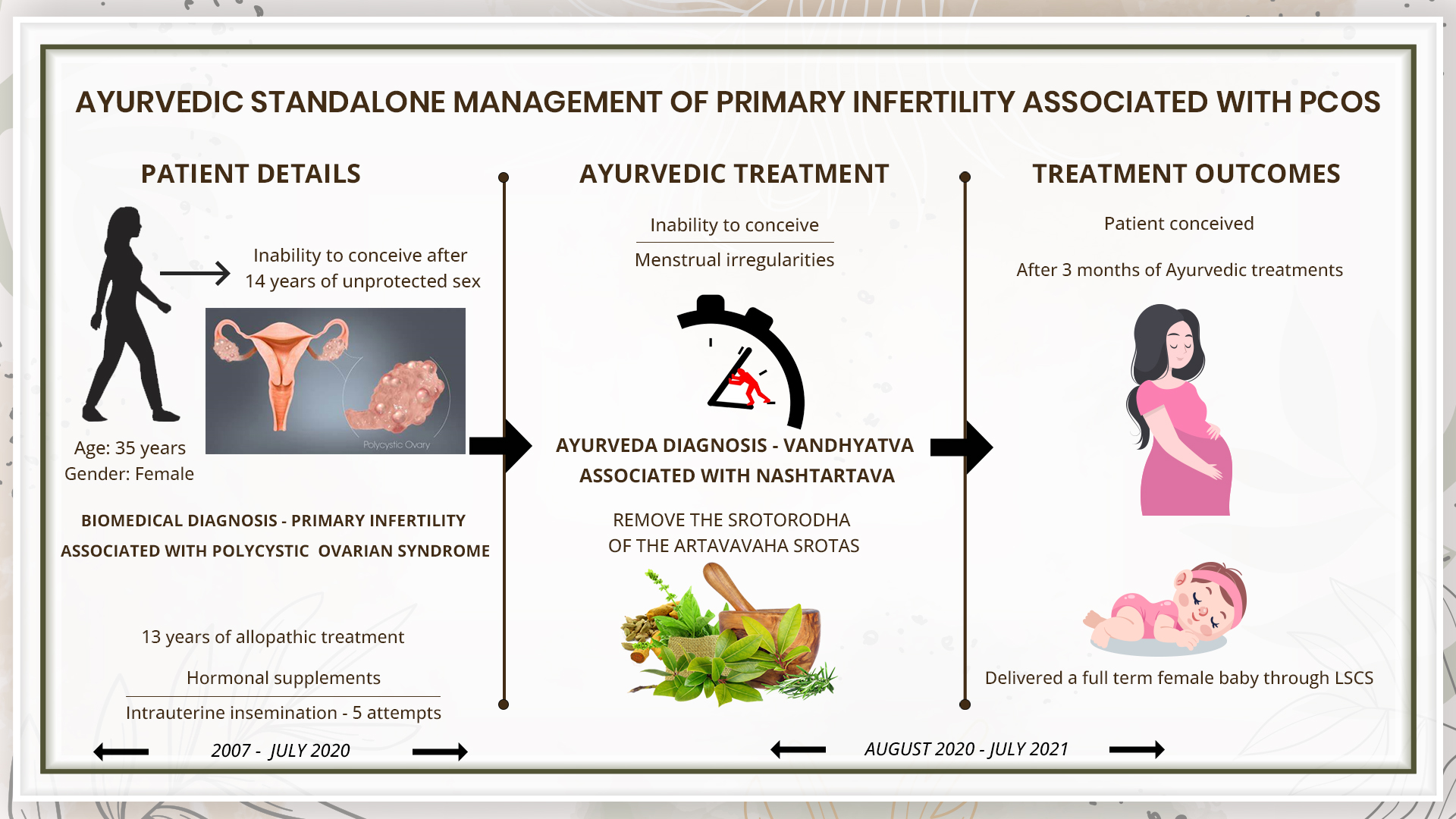
A 35-year-old female complained of inability to conceive even after 14 years of regular unprotected sexual life. She was also having menstrual irregularities- 5 days menstruation with an interval of 2 to 3 months for the next cycle to begin. Since menarche at the age of 14, she always had irregular cycles. At the age of 16, her menstrual cycle became regular. She was married at the age of 21, and since then she underwent 13 years of hormonal treatment and 5 attempts of Intra Uterine Insemination. The results were disappointing. It was at the age of 28, that the diagnosis was confirmed with USG abdomen and pelvis as Polycystic ovarian syndrome. She decided to try Ayurveda and approached Dr Asmabi in 2020. The biomedical diagnosis was Primary infertility associated with PCOS. The Ayurvedic diagnosis was Vandhyatva associated with nashtartava caused by avarana of artavavavaha srotas, kapha medodushti and srotorodha. The treatment was planned at removing the srotorodha of Artavavaha srotas. Her Last Menstrual Period recorded was 11/08/2020. After 3 months of Ayurvedic treatment, the patient conceived with LMP of 26/11/2020. She delivered a full-term female baby on 2/09/2021 through LSCS.
-
Summaries
-
Listen
-
Watch
-
View
-
Read
A 35-year-old female complained of inability to conceive even after 14 years of regular unprotected sexual life. She was also having menstrual irregularities- 5 days menstruation with an interval of 2 to 3 months for the next cycle to begin. Since menarche at the age of 14, she always had irregular cycles. At the age of 16, her menstrual cycle became regular. She was married at the age of 21, and since then she underwent 13 years of hormonal treatment and 5 attempts of Intra Uterine Insemination. The results were disappointing. It was at the age of 28, that the diagnosis was confirmed with USG abdomen and pelvis as Polycystic ovarian syndrome. She decided to try Ayurveda and approached Dr Asmabi in 2020. The biomedical diagnosis was Primary infertility associated with PCOS. The Ayurvedic diagnosis was Vandhyatva associated with nashtartava caused by avarana of artavavavaha srotas, kapha medodushti and srotorodha. The treatment was planned at removing the srotorodha of Artavavaha srotas. Her Last Menstrual Period recorded was 11/08/2020. After 3 months of Ayurvedic treatment, the patient conceived with LMP of 26/11/2020. She delivered a full-term female baby on 2/09/2021 through LSCS.
-
-
Timeline
-
Tabulated Summary
-
Narrative
TITLE OF CASE
Ayurveda Management of primary infertility associated with Polycystic Ovarian Syndrome (PCOS): A case report.
Dr Asmabi
ABSTRACT
A 35-year-old female complained of inability to conceive even after 14 years of regular unprotected sexual life. She was also having menstrual irregularities- 5 days menstruation with an interval of 2 to 3 months for the next cycle to begin. Since menarche at the age of 14, she always had irregular cycles. At the age of 16, her menstrual cycle became regular. She was married at the age of 21, and since then she underwent 13 years of hormonal treatment and 5 attempts of Intra Uterine Insemination. The results were disappointing. It was at the age of 28, that the diagnosis was confirmed with USG abdomen and pelvis as Polycystic ovarian syndrome. She decided to try Ayurveda and approached Dr Asmabi in 2020. The biomedical diagnosis was Primary infertility associated with PCOS. The Ayurvedic diagnosis was Vandhyatva associated with nashtartava caused by avarana of artavavavaha srotas, kapha medodushti and srotorodha. The treatment was planned at removing the srotorodha of Artavavaha srotas. Her Last Menstrual Period recorded was 11/08/2020. After 3 months of Ayurvedic treatment, the patient conceived with LMP of 26/11/2020. She delivered a full-term female baby on 2/09/2021 through LSCS.
KEYWORDS
Primary infertility, Vandyatwa, Nashtartava, Ayurveda, Case report, Standalone
INTRODUCTION
Healthcare providers consider a couple infertile if they try but fail to get pregnant within one year. When the woman is older than 35, the amount of time trying to conceive drops to six months for an infertility diagnosis. In women over 40, immediate evaluation is warranted. Infertility does not include miscarrying or being unable to carry a baby to childbirth.
Diagnostic criteria: Ovulation testing, Hysterosalpingography, Ovarian reserve testing, Other hormone testing, Imaging tests, Hysteroscopy, Laparoscopy.
Treatment: Stimulating ovulation with fertility drugs, Intrauterine insemination (IUI), Surgery to restore fertility, and assisted reproductive technology (ART) are some of the commonly followed treatment protocols.
Prognosis: Approximately 9 out of 10 couples get pregnant after undergoing fertility treatments. Success rates vary depending on the cause of infertility, the couple’s ages and other factors. In general:
• Each IUI attempt has a 20% success rate.
• An estimated 1 in 2 women under the age of 35 conceive with ART. That number drops to 1 in 30 women (3%) for women in their early to mid-40s.
PATIENT INFORMATION
A 35-year-old female complained of inability to conceive even after 14 years of regular unprotected sexual life. She was also having menstrual irregularities- 5 days menstruation with an interval of 2 to 3 months for the next cycle.
Medical History: She attained menarche at the age of 14, and her menstrual cycle was always irregular. However, the menstrual cycle became regular at the age of 16. After getting married at the age of 21, over a period of 14 years, she underwent hormonal treatment and Intra Uterine Insemination 5 times. But the results were disappointing. So she consulted Dr Asmabi.
CLINICAL FINDINGS/PHYSICAL EXAMINATION
The patient was medium built with a BMI of 26. There was clear evidence of acanthosis nigricans on the neck and hirsutism with prominent hair growth on the chin and upper lip during physical examination. As per vaginal and speculum examination, the cervix was moderately healthy, and mild discharge was noticed. USG reports showed both ovaries were bulky with a PCOS pattern and increased central stroma.
TIMELINE
Image 1. Timeline of events is attached below
DIAGNOSTIC ASSESSMENT
Modern Diagnostic parameter: USG abdomen scan and pelvis confirmed PCOS. Based on the medical history taking and clinical evaluation, the biomedical diagnosis was made as primary infertility due to PCOS.
Image 2. Proof document of biomedical diagnosis added below
Image 3. USG scan of abdomen and pelvis dated 16.3.2013 added below
Ayurvedic Assessment was done based on the clinical evaluation by the ayurvedic physician.
Differential Diagnosis- This does not apply as the patient came in with a definite diagnosis.
Prognosis- Primary infertility is a condition that is caused due to several reasons. One primary reason for its occurrence is PCOS which can be cured if detected early. Intrauterine insemination (IUI) may be conducted as a first-line treatment other than oral medications in such situations. The pregnancy rate (PR) chances are 20% when IUI is done. Here, the patient conceived just after three months of Ayurveda treatment. Both mother and child are healthy.
THERAPEUTIC INTERVENTION
See the tab ‘Treatment details’
FOLLOW-UP AND OUTCOMES
Clinician-based assessment; After 3 months of ayurvedic treatment patient conceived with LMP 26/11/2020. She delivered a full term female baby on 2/09/2021 through LSCS.
Image 4. A follicular study dated 2020 is added below
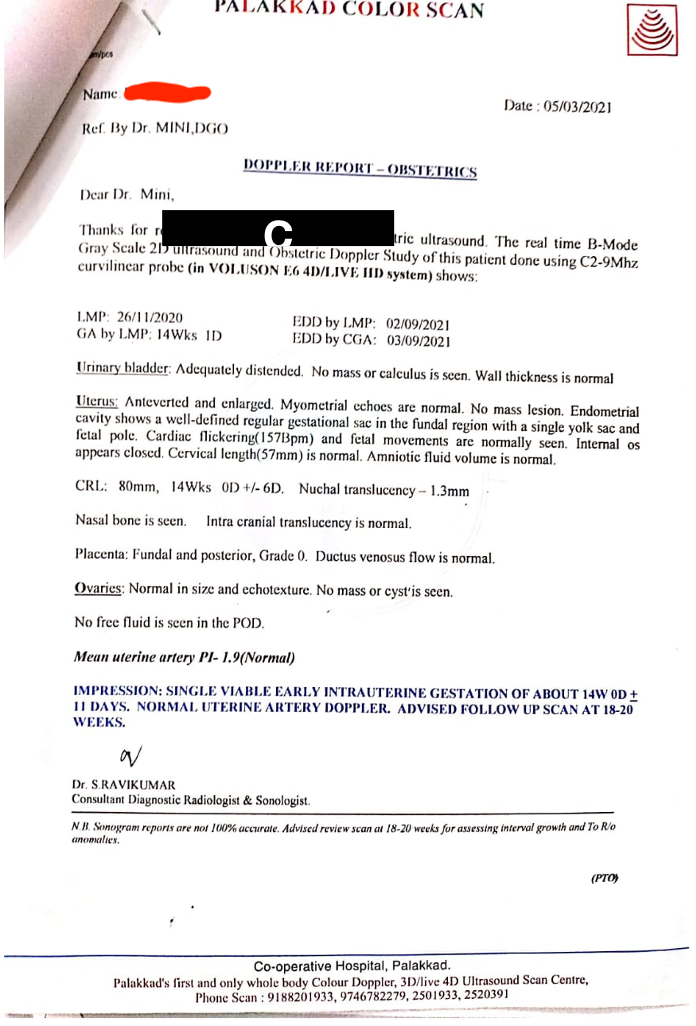
Image 5. Scan reports of intrauterine fetal growth are added below
Patient-assessed; Not relevant.
Intervention adherence and tolerability – The patient adhered to the prescribed treatments and tolerated the treatments well.
Method of assessment- By monitoring the patient.
Adverse and unanticipated events; None reported.
DISCUSSION ;
The Nidana attributed could be Avyayama and intake of excess Abhishyandi Ahara leading to Kapha Medo Dushti and Srotorodha. Here the movement of Vata especially Apana Vata got obstructed by the increased Kapha which in turn obstructed the natural functioning of Artava also. The ultimate aim of the treatment was to release the obstructed Vata so as to execute its normal functions in the Koshṭa, especially in Garbhashaya. The obstruction was because of the accumulated Kapha in the channels of Vata, especially in Artavavavaha Srotas. Saptasara Kashaya in combination with Chandraprabha Vati was given the first time during the OP visit. Kumaryasava and Dasharatha are Artava janaka and nourish the endometrium. Once the expected outcome from Purva karma is obtained, it was decided to move to the next phase- Shodhana therapies. As Kapha and Meda became the key factors for the development of the disease, it was decided to go for a Ruksana procedure as a preliminary step. Udvartana along with Takrapana was Kapha medonashana. The next step was Snehapana with plain Sukumara ghrita and Pippalyadi Anuvasana taila which became the ideal medicine for Snehana in the conditions where the predominance of Kapha and Vata were present. It was decided to do virecana by using Gandharva hastadi eranda taila. On the next cycle during pre-ovulatory time Lekhana vasti, and Uttara vasti were done.
PATIENT’S PERSPECTIVE
Not available.
LEARNING POINTS/TAKE-HOME MESSAGES
The couple had a stressful life due to inability to concieve since 14 years of married life. The results were disappointing with all the conventional treatments done. And finally, they approached Ayurveda to address this condition. The female infertility was managed with several treatment procedures, and after three months of treatment, the patient conceived and gave birth to a healthy baby girl. Ayurveda treatment can be considered an option in the case of primary infertility with a long medical history of PCOS.
INFORMED CONSENT
Written consent obtained from patient to publish the case report.
CONFLICT OF INTEREST
None declared.
FUNDING
None
Image 1. Timeline of events is attached below
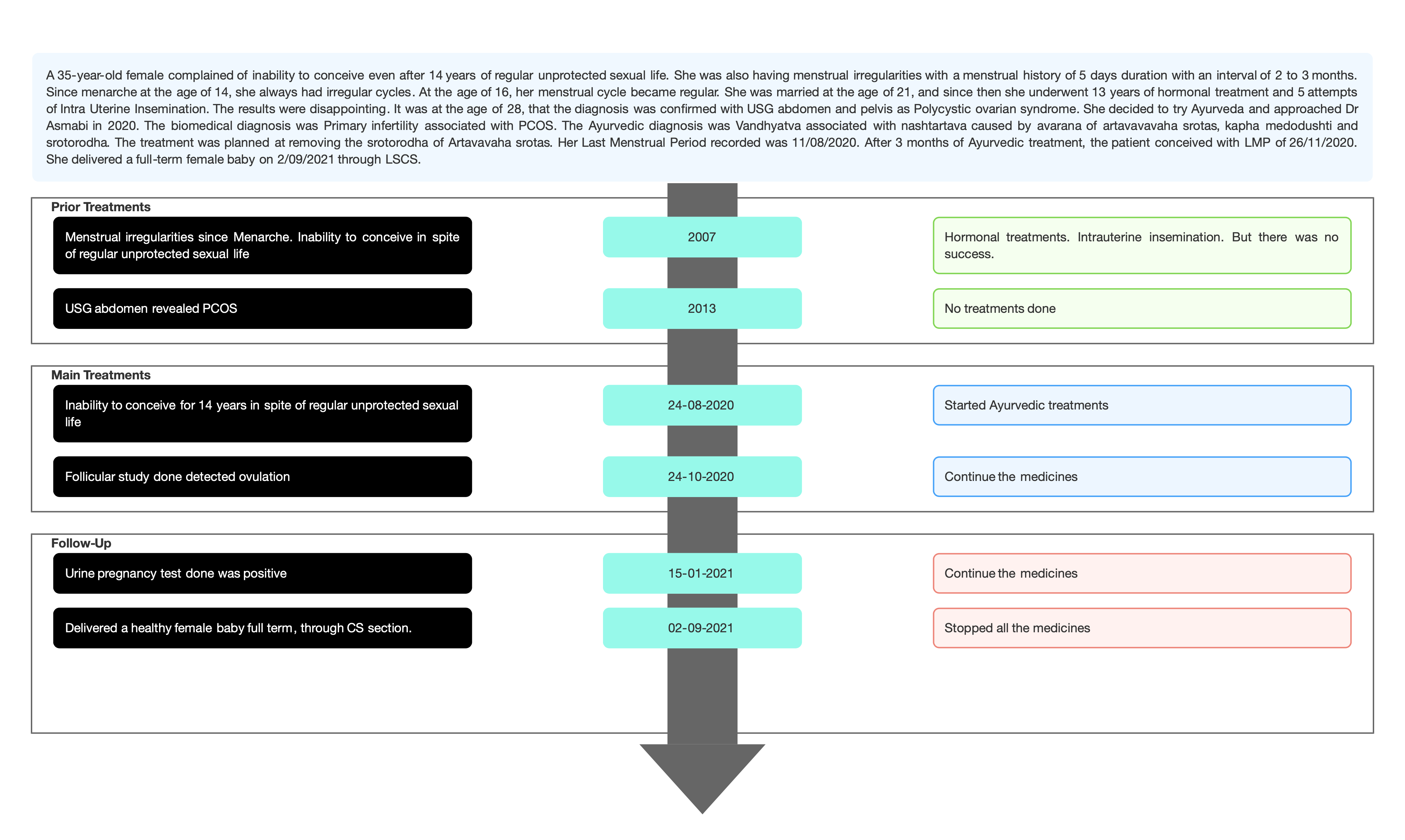
Image 2. Proof document of biomedical diagnosis added below
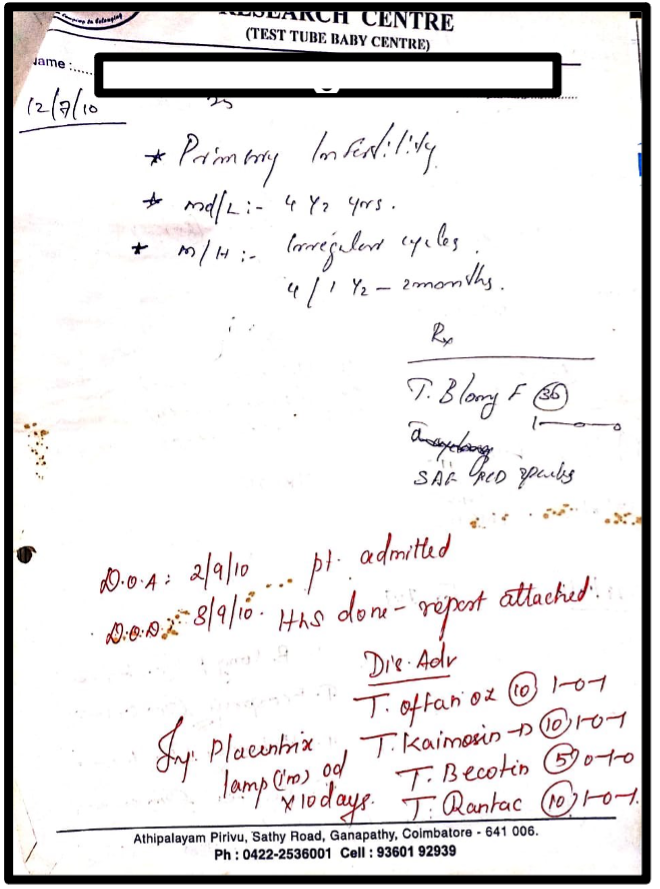
Image 3. USG scan of abdomen and pelvis dated 2015
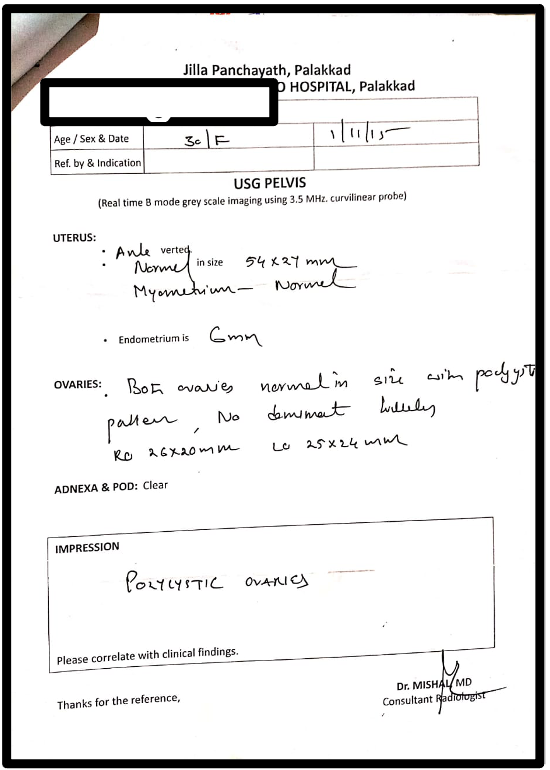
Image 4. A follicular study dated 2020 is added below
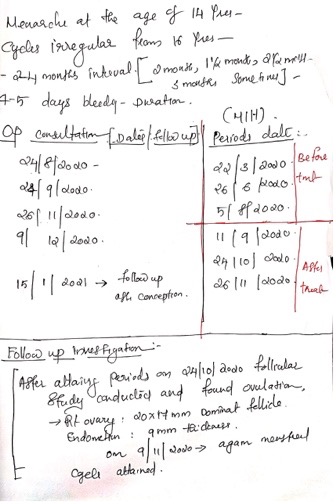
Image 5. Scan reports of intrauterine fetal growth are added below
-
Immersive Learning
-
Modern Diagnosis
BIOMEDICAL DIAGNOSIS: Primary Infertility due to PCOS
ABOUT THE DISEASE:
Healthcare providers consider a couple infertile if they try but fail to get pregnant within one year. When the woman is older than 35, the amount of time trying to conceive drops to six months for an infertility diagnosis. In women over 40, immediate evaluation is warranted. Infertility does not include miscarrying or being unable to carry a baby to childbirth.
Diagnostic criteria: Ovulation testing, Hysterosalpingography, Ovarian reserve testing, Other hormone testing, Imaging tests, Hysteroscopy, Laparoscopy are some of the diagnostic criteria used in practice.
Treatment: Stimulating ovulation with fertility drugs, Intrauterine insemination (IUI), Surgery to restore fertility, and Assisted reproductive technology (ART) are some of the commonly followed treatment protocols.
Diagnosis of this case:
The patient is a 35-year-old female who complained of inability to conceive even after 14 years of regular unprotected sexual life. She was also having menstrual irregularities- 5 days menstruation with an interval of 2 to 3 months for the next cycle. She was pre-diagnosed with Primary infertility. USG abdomen and pelvis scan confirmed PCOS.
Image 1. Proof document of biomedical diagnosis added below
Image 2. USG scan of abdomen and pelvis dated 16.3.2013 added below
Prognosis: Approximately 9 out of 10 couples get pregnant after undergoing fertility treatments. Success rates vary depending on the cause of infertility, the couple’s ages and other factors. In general:
• Each IUI attempt has a 20% success rate.
• An estimated 1 in 2 women under the age of 35 conceive with ART. That number drops to 1 in 30 women (3%) for women in their early to mid-40s.
The patient underwent 13 years of hormonal treatment and Intra Uterine Insemination 5 times. The results were disappointing with all the treatments done in the modern system of medicine. And finally, they approached Ayurveda for better management.
Image 1. Proof document of biomedical diagnosis added below
Image 2. USG scan of abdomen and pelvis dated 2015 added below
-
Ayurveda Diagnosis
AYURVEDA DIAGNOSIS: Vandhyatva associated with Nashtartava caused by Avarana of Artavavavaha srotas, Kapha Medodushti and Srotorodha.
ABOUT THE DISEASE:
In Ayurvedic literature, vandhyatva is used to indicate infertility. The important factors for conception are ritu, kshetra, ambu and beeja. These factors should be in a proper state to achieve the conception. Infertility implies an apparent failure of a couple to conceive. If a couple fails to achieve pregnancy after one year of unprotected and regular intercourse, it is a possible indication of medical intervention being required. Caraka mentions that the defect in any one of the shad bhavas can result in the failure to conceive. (Prasutitantra Evam Sriroga, Part II, 2nd ed., Varanasi; Chaukhambha Orientalia, 2007; 273)
Harita has defined vandhyatva as failure to achieve a child rather than pregnancy, because he has included garbhasravi (having repeated abortions) and mritvatsa (having repeated stillbirths) also under the classification. This definition is not acceptable today. Acarya Kashyapa says that the couple having a number of children with proper growth and development due to effect of nature or their own deeds are fortunate, otherwise it should be treated. Under the description of jatharinis, Kashyapa has mentioned pushpaghni having defective pushpa or menstruation and certain others characterized by repeated expulsions of foetuses of different gestational periods. Since in these conditions also the woman fails to beget a child, thus can be included under infertility. In Sushruta samhita vandhya is included among twenty gynaecological disorders. Acarya Caraka and Vagbhata have explained vandhya caused due to the abnormality of bijansha.
The Classification of Vandhyatva has been given separately in Harita Samhita as
Kakavandhya: -The woman who has one child but the second time she cannot conceive.
Anapatya: - The woman who does not conceive at all or primary infertility.
Garbhasravi: - The woman who has repeated abortions.
Mritvatsa: - The woman who has repeated stillbirths.
Balakshaya: - Infertility due to loss of bala (strength).
Unexplained: - Infertility due to idiopathic cause.
Prognosis: The Vandhya described by Caraka as the congenital disease is incurable.
Acharya Harita explains that first five types of Vandhya are curable.
Sadhya: Kakavandhya, Garbhakosha- parasanga, Garbhasravi, Mritvatsa, Balakshaya.
And the sixth type is Kashtasadhya.
In this case report, the patient is a 35-year-old female who complained of inability to conceive even after 14 years of regular unprotected sexual life. She was also having menstrual irregularities- 5 days duration with an interval of 2 to 3 months for the next cycle. Anartava is the key factor responsible for vandyatva in this patient.
Ayurvedic Assessment and Diagnosis in this case report; This patient is a confirmed case of primary infertility associated with PCOS. Based on the lakshanas, the Ayurvedic diagnosis was made.
CIKITSA
Removal of the causative factors is the first line of treatment.
Cikitsa given are as follows:
1. Shodhana Cikitsa
2. Shamana Cikitsa
3. Pitta Cikitsa
4. Vasti for Vata Shamana
Reference
- Conceptual study of vandhyatva: a review. Chhaya Sudhakar Kulkarni. ejbps, 2018, Volume 5, Issue 9, 112-114.
-
Treatment
Name of Medicine Dosage Form Dosage Mode of Administrtation From - To (Date) Medicine Reference Saptasara kasaya Kasaya 15 ml Twice daily with warm water on empty stomach 2020-08-24 - 2020-09-10 Sahasrayogam, Kasaya prakaranam Candraprabha vati Tablet 1-0-1 Oral, wth the kasaya 2020-08-24 - 2020-09-10 Bhaishajya ratnavali. Prameha Cikitsa Saptasara kasaya Kasaya 15 ml Twice daily with warm water on empty stomach 2020-10-01 - 2020-10-24 Sahasrayogam, Kasaya prakaranam Candraprabha vati Tablet 1-0-1 Oral, wth the kasaya 2020-10-01 - 2020-10-24 Bahishajya ratnavali. Prameha Cikitsa Kumaryasava + Draksharista Asava, arishta combination 25 ml Twice daily after food 2020-08-24 - 2020-09-10 Sahasrayogam: Asava arista prakarana Kumaryasava + Draksharista Asava, arishta combination 25 ml Twice daily after food 2020-10-26 - 2020-11-10 Sahasrayogam: Asava arista prakarana Saptasara kasaya Kasaya 15 ml Twice daily with warm water on empty stomach 2020-10-26 - 2020-11-10 Sahasrayogam, Kasaya prakaranam Phalasarpis Ghrita 2.5 gms At 6 am on empty stomach 2020-11-13 - 2020-11-25 AH. Utt.34.63-67 Phalasarpis Ghrita 2.5 gms At 6 am on empty stomach 2020-12-10 - 2021-01-05 AH. Utt.34.63-67 Gulucyadi kasayam Kasaya As required As Toyapana 2020-11-13 - 2020-11-25 AH.Su.15 Ksheerabala taila 101 Taila 10 drops Mix with 1/4 cup of warm milk, and taken at 5 pm 2020-11-13 - 2020-11-25 Sahasrayogam, Taila prakarana Vara curna Curna Udhvartanam External application 2020-09-16 - 2020-09-18 Anubhuta Dravya Prayoga -
Outcome Measures
OUTCOME MEASURES:
A 35-year-old female complained of inability to conceive even after 14 years of regular unprotected sexual life. She was also having menstrual irregularities- 5 days duration with an interval of 2 to 3 months for the next cycle. Since menarche at the age of 14, she always had irregular cycles. At the age of 16, her menstrual cycle became regular. She was married at the age of 21, and since then she underwent 13 years of hormonal treatment and 5 attempts of Intra Uterine Insemination. The results were disappointing. It was at the age of 28, that the diagnosis was confirmed with USG abdomen and pelvis as Polycystic ovarian syndrome. She decided to try Ayurveda and approached Dr Asmabi in 2020. The biomedical diagnosis was Primary infertility associated with PCOS. The Ayurvedic diagnosis was Vandhyatva associated with nashtartava caused by avarana of artavavavaha srotas, kapha medodushti and srotorodha.
Assessment criteria : Objective criteria was used to assess the outcome of the treatments. The documents submitted prior to starting ayurvedic treatments are as follow
Image 1. Diagnosis of Primary infertility reports dated July 2010 added below
Image 2. Hysteroscopy image dated September 2010 added below
Image 3. USG abdomen and pelvis scan confirming PCOD dated 2015
Midpoint evaluation: After attaining periods on 24/10/2020, a follicular study was conducted, and ovulation was detected.
- Right ovary: 20x17mm Dominant follicle
- Endometrium: 9mm thickness
- On 9.11. 2020 menstrual cycle was attained.
Image 4. A follicular study dated 2020 is added below
Endpoint Evaluation: After 3 months of Ayurvedic treatment, the patient conceived with LMP of 26.11.2020.
Image 5. Scan reports of intrauterine fetal growth are added below
Final Outcome: The patient gave birth to a full-term healthy girl child through an LSCS.
Image 1. Diagnosed as Primary infertility reports dated July 2010 added below
Image 2. Hysteroscopy image dated September 2010 added below
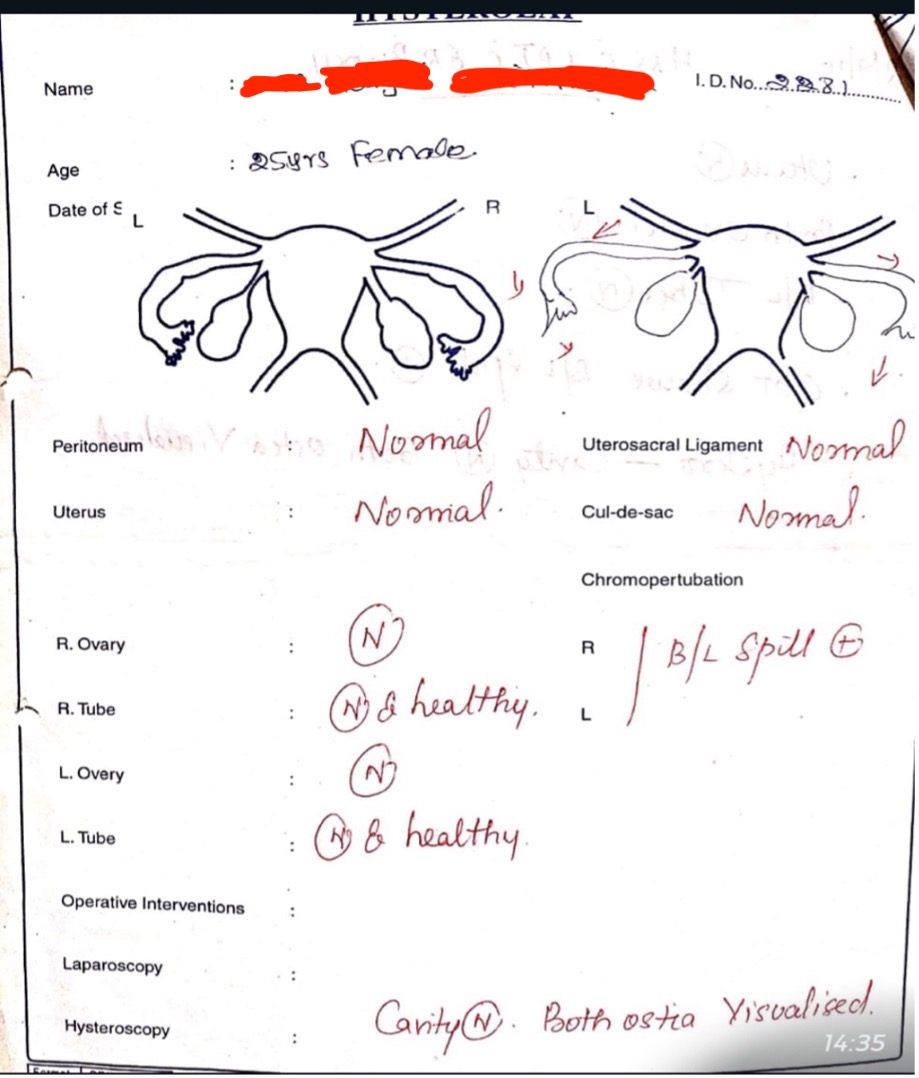
Image 3. USG abdomen and pelvis scan confirming PCOD dated 2015
Image 4. A follicular study dated 2020 is added below
Image 5. Scan reports of intrauterine fetal growth are added below
-