Featured Case
-
Abstract
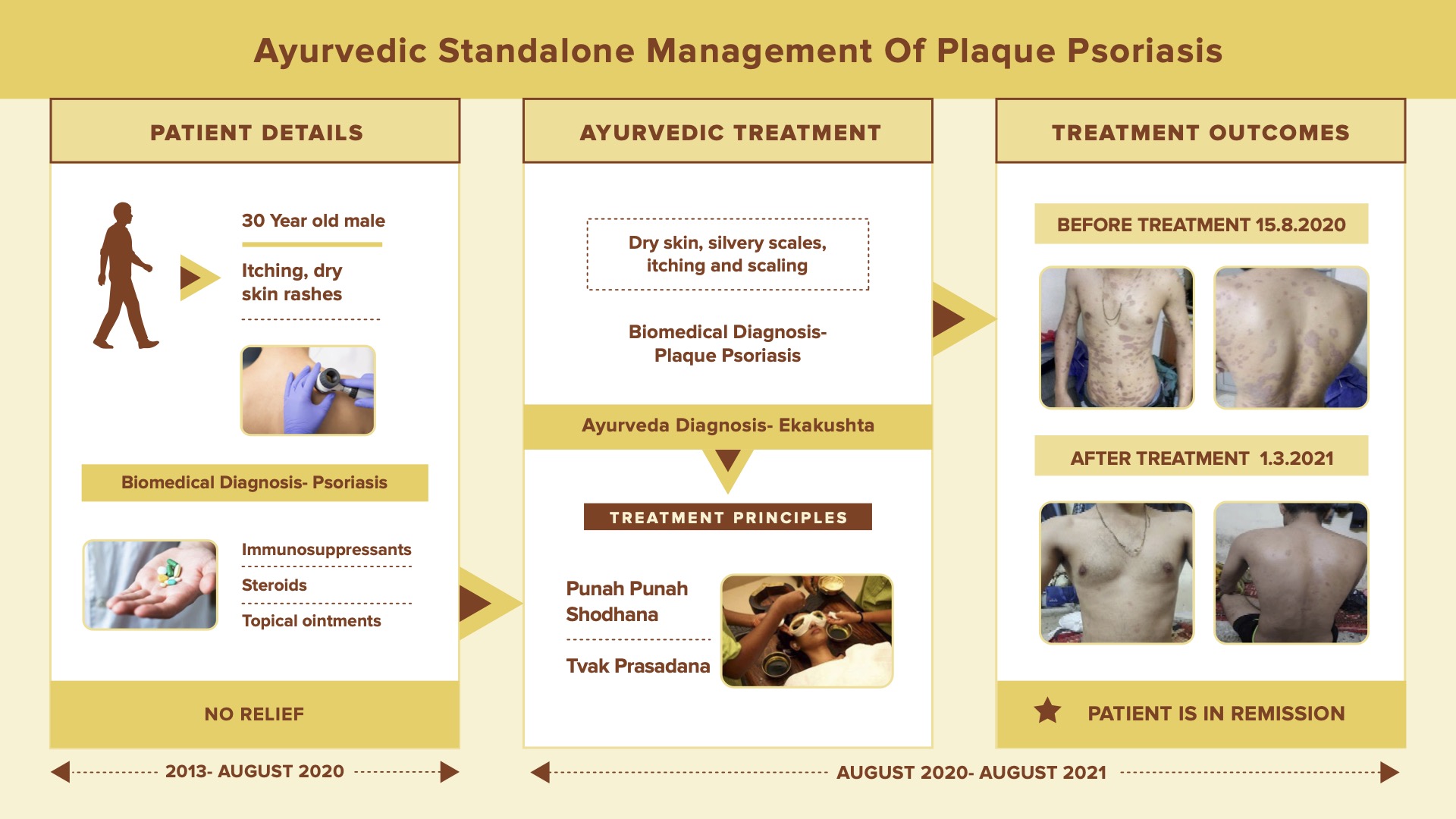
A 30-year-old male patient was suffering from itching and dry scaly rashes all over the body for 7 years. He had consulted allopathic doctors and tried immunosuppressants, steroids, and topical ointments. He did not get relief and the clinical condition was progressive in nature. So, he now decided to try ayurveda and approached Dr Gaurang Joshi. Based on the clinical presentation and examination, a provisional biomedical diagnosis was made as Plaque psoriasis. The ayurvedic diagnosis was Ekakushta. The line of treatment followed was punah punah shodhana and tvak prasadana. The pre and post-treatment assessment was based on subjective parameters. After 1 month of Ayurvedic treatment, the symptoms reduced and after 1 year of treatment, the patient got complete relief from all the symptoms. The patient is in remission.
-
Summaries
-
Listen
-
Watch
-
View
-
Read
A 30-year-old male patient was suffering from itching and dry scaly rashes all over the body for 7 years. He had consulted allopathic doctors and tried immunosuppressants, steroids, and topical ointments. He did not get relief and the clinical condition was progressive in nature. So, he now decided to try ayurveda and approached Dr Gaurang Joshi. Based on the clinical presentation and examination, a provisional biomedical diagnosis was made as Plaque psoriasis. The ayurvedic diagnosis was Ekakushta. The line of treatment followed was punah punah shodhana and tvak prasadana. The pre and post-treatment assessment was based on subjective parameters. After 1 month of Ayurvedic treatment, the symptoms reduced and after 1 year of treatment, the patient got complete relief from all the symptoms. The patient is in remission.
-
-
Timeline
-
Tabulated Summary
-
Narrative
TITLE OF CASE
Standalone successful ayurvedic management of plaque psoriasis- A case report
Dr Gaurang Joshi
ABSTRACT
A 30-year-old male patient was suffering from itching and dry scaly rashes all over the body for 7 years. He had consulted allopathic doctors and tried immunosuppressants, steroids, and topical ointments. He did not get relief and the clinical condition was progressive in nature. So, he now decided to try ayurveda and approached Dr Gaurang Joshi. Based on the clinical presentation and examination, a provisional biomedical diagnosis was made as Plaque psoriasis. The ayurvedic diagnosis was Ekakushta. The line of treatment followed was punah punah shodhana and tvak prasadana. The pre and post-treatment assessment was based on subjective parameters. After 1 month of Ayurvedic treatment, the symptoms reduced and after 1 year of treatment, the patient got complete relief from all the symptoms. The patient is in remission.
KEYWORDS
Plaque psoriasis, psoriasis, eka kushta, standalone, case report
INTRODUCTION
Plaque psoriasis is an autoimmune condition. It causes thick patches (plaques) on your skin, including your scalp. There isn’t a cure, but treatments can alleviate related symptoms.
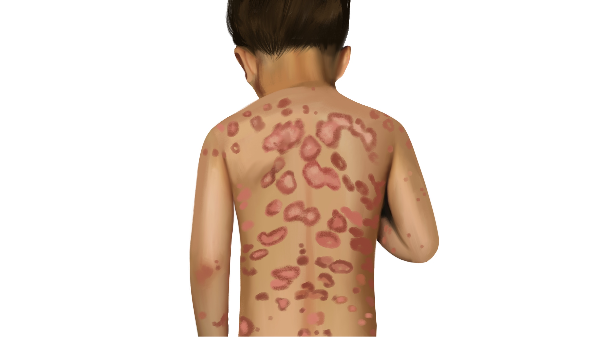
Plaque psoriasis also called psoriasis vulgaris is a long-lasting autoimmune disease that causes your cells to reproduce very quickly. It’s a type of psoriasis that causes thick, scaly patches called plaques on your skin. It most commonly affects elbows, back, knees, and scalp. In severe cases of plaque psoriasis, the face, feet, genitals (penis, vagina, vulva), hands and legs also may be affected.
Symptoms: Raised, discoloured (red, brown, grey or purple) plaques with a white or silvery surface, Cracks (fissures), Bleeding, Itchiness, Irritation or pain.
Diagnostic criteria: Medical history and clinical evaluation are the basic diagnostic criteria used. Apart from this allergy tests, biopsy and blood tests to rule out infections are also done.
Treatment: The treatments given in Plaque psoriasis are Injections, oral medicines, and phototherapy.
Prognosis: There is no cure for Plaque psoriasis. There are flare-ups and remissions, and only temporary relief is predicted.
PATIENT INFORMATION
A 30-year-old male patient was suffering from itching and dry scaly rashes all over the body for 7 years.
Medical History: He had consulted allopathic doctors and tried immunosuppressants, steroids, and topical ointments. He did not get relief and the clinical condition was progressive in nature. So, he now decided to try ayurveda and approached Dr Gaurang Joshi.
Psychosocial History: The patient is stressed due to the disease.
CLINICAL FINDINGS
On routine skin examination, silvery red patches on skin all over the body
TIMELINE
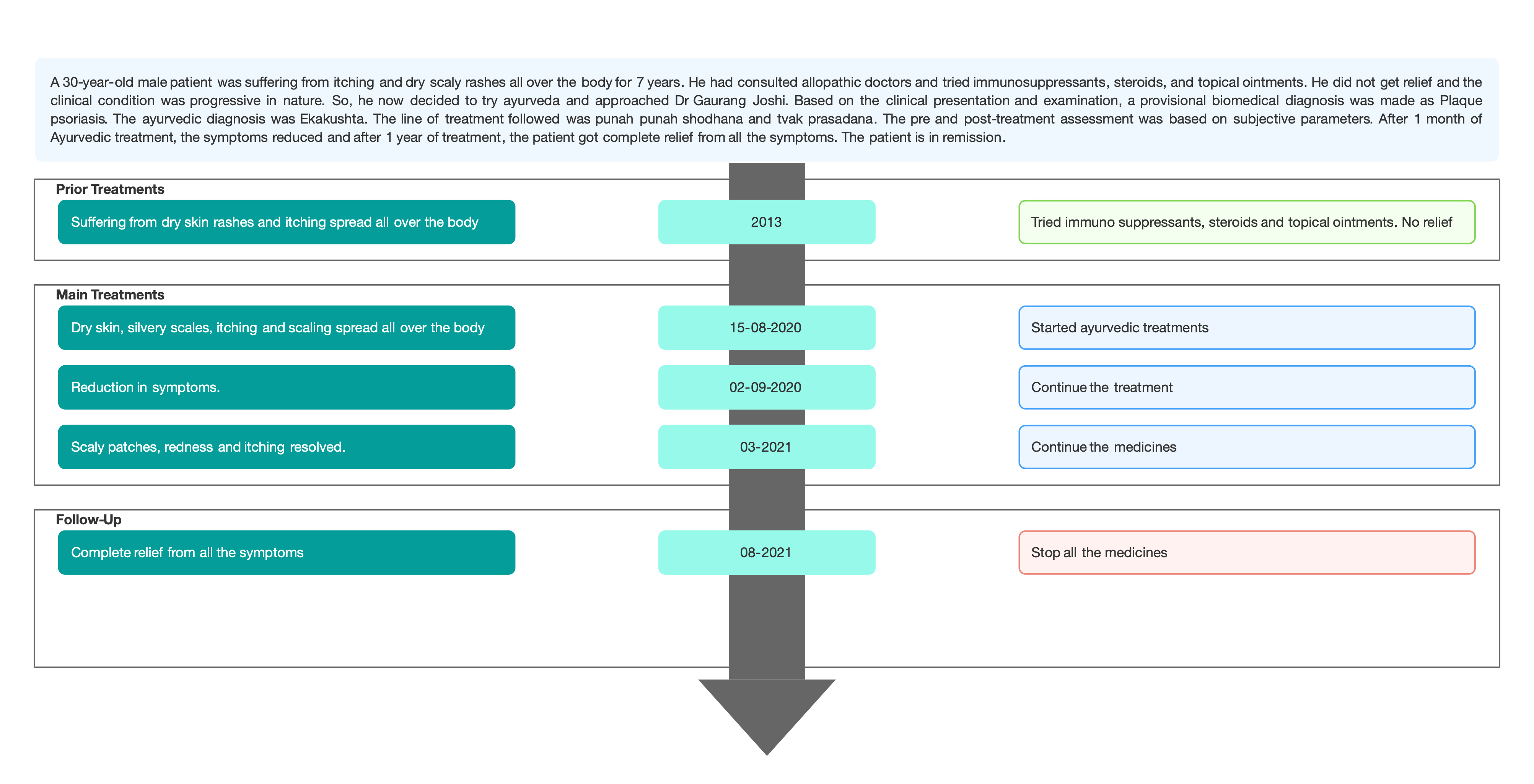
Image 1. The timeline of events is attached below
DIAGNOSTIC ASSESSMENT
Modern Diagnostic parameter: The biomedical diagnosis was made by the Ayurvedic physician, based on the clinical presentation and evaluation.
Image 2. The image of the patient before treatment dated 15.8.2020 added below
Ayurvedic Assessment was done based on the clinical evaluation by the ayurvedic physician.
Differential Diagnosis- The diagnosis was confirmed with clinical presentation and evaluation.
Prognosis- Plaque psoriasis is an unpredictable disorder. Not only is there no cure, but it is difficult to know which patient it will relapse, how long the active disease will last or how frequently the patient will have remissions. In addition, all treatments have major adverse effects including skin cancers, liver damage and susceptibility to infections. In this case, the patient is having persistent symptoms for 7 years in spite of undergoing the standard of care. After 1 month of Ayurvedic treatment, the symptoms reduced and after 1 year of treatment, the patient got complete relief from all the symptoms.
THERAPEUTIC INTERVENTION
See the tab ‘Treatment details’.
FOLLOW-UP AND OUTCOMES
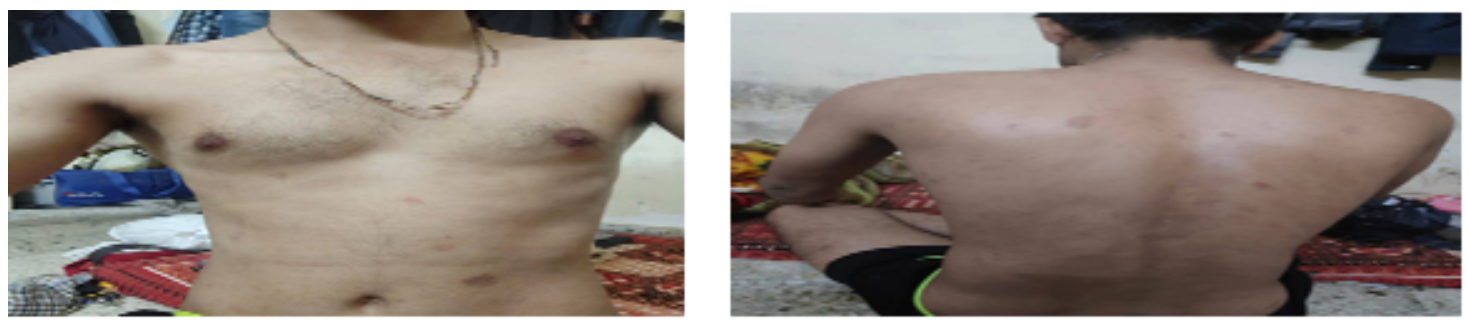
Clinician-based assessment; With 1 month of Ayurvedic treatment, the symptoms started reducing. With 1 year of ayurvedic treatment, the patient got complete relief from symptoms.
Image 3. The image of the patient after treatment dated 1.3.2021 is added below
Patient-assessed; Not relevant.
Intervention adherence and tolerability – The patient adhered to the prescribed treatments and tolerated the treatments well.
Method of assessment- By monitoring the patient.
Adverse and unanticipated events; None reported.
DISCUSSION ;
Psorotel powder and Cap. Asoro - induces shodhana and skin rejuvenation as the principle of the treatment is punah punah shodhana. Soro cream - helps to moisturise the skin and helps to improve natural healing. Virgin coconut oil - the best natural moisturiser and anti-inflammatory agent which contains medium-chain fatty acids which help to reduce inflammation and soothe the skin
PATIENT’S PERSPECTIVE
Not available.
LEARNING POINTS/TAKE-HOME MESSAGES
The 30-year-old male patient has been suffering from itching and dry scaly rashes all over the body for 7 years. Though he tried conventional medicines, not only did he not get relief, but the condition was progressing. With 1 year of Ayurvedic treatment, he got complete relief from his symptoms. He is in remission. This case report demonstrates the successful ayurvedic standalone management of a chronic condition like plaque psoriasis that was otherwise non-responsive to the standard of care.
INFORMED CONSENT
Written consent was obtained from the patient to publish the case report.
CONFLICT OF INTEREST
None declared.
FUNDING
None
REFERENCE
- Taken from - https://my.clevelandclinic.org/health/diseases/22842-plaque-psoriasis
- Caraka Samhita. Cikitsa Sthana. Chapter 7. Kushtha Cikitsadhyayam
Image 1. Timeline of events
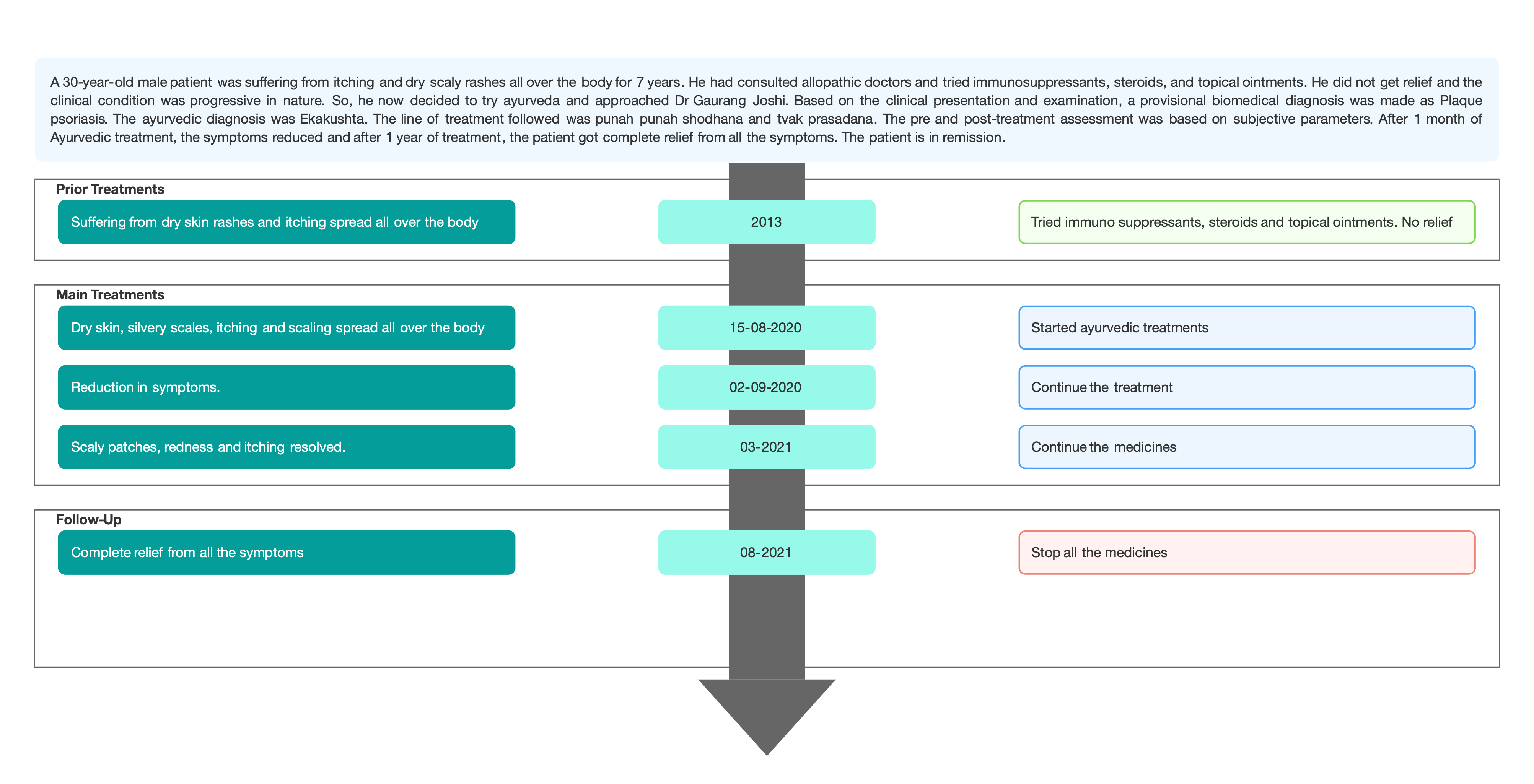
Image 2. The image of the patient before treatment dated 15.8.2020
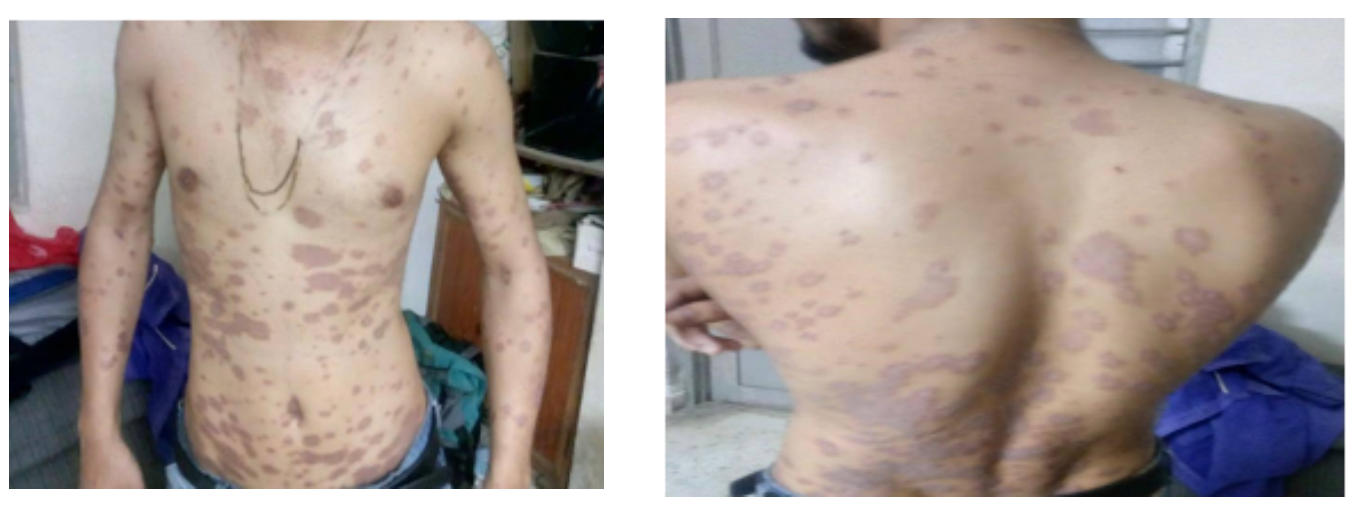
Image 3. The image of the patient after treatment dated 1.3.2021
-
Immersive Learning
-
Modern Diagnosis
MODERN DIAGNOSIS: Plaque Psoriasis
ABOUT THE DISEASE:
Plaque psoriasis is an autoimmune condition. It causes thick patches (plaques) on your skin, including your scalp. There isn’t a cure, but treatments can alleviate related symptoms.
Plaque psoriasis also called psoriasis vulgaris is a long-lasting autoimmune disease that causes your cells to reproduce very quickly. It’s a type of psoriasis that causes thick, scaly patches called plaques on your skin. It most commonly affects elbows, back, knees, and scalp. In severe cases of plaque psoriasis, the face, feet, genitals (penis, vagina, vulva), hands and legs also may be affected.
Symptoms:
Raised, discoloured (red, brown, grey or purple) plaques with a white or silvery surface.
Cracks (fissures).
Bleeding.
Itchiness.
Irritation or pain.
In this case report, the patient suffered from itching and dry scaly rashes all over the body since 7 years.
Diagnostic criteria: Medical history and clinical evaluation are the basic diagnostic criteria used. Apart from this allergy tests, biopsy and blood tests to rule out infections are also done. In this patient, the biomedical diagnosis was made based on the clinical evaluation and medical history.
Image 1. Image of the patient, prior to starting the treatment dated 15.8.2020 added below.
Treatment: The treatments given in Plaque psoriasis are Injections, oral medicines, and photo therapy.
Prognosis: There is no cure for Plaque psoriasis. There are flare-ups and remissions, and only temporary relief is predicted. In this patient, over a period of 7 years, in spite of conventional medicines, not only did he not get relief but the symptoms were progressing. With 1 month of ayurvedic treatment, he observed a significant reduction in symptoms and with 1 year of treatment, he got complete relief from his symptoms.
Reference
Image 1. Image of the patient, prior to starting the treatment dated 15.8.2020
-
Ayurveda Diagnosis
AYURVEDA DIAGNOSIS: Eka kushtha
ABOUT THE DISEASE:
Eka kushta is the general term used to describe psoriasis. The symptoms of Eka kushta resemble psoriasis, and hence it is correlated to this clinical condition.
अस्वेदनं महावास्तु यन्मत्स्यशकलोपमम्|
तदेककुष्टं चर्माख्यं बहलं हस्तिचर्मवत्||२१|| CS. Ci. 7.21The lesions formed are like the scales of the fish. The scales are deep, hard, rough resembling the skin of an elephant. There is no sweating in the skin surrounding the lesions. Eka kushtha can enter deep into the dhatu and cause damage to them. The bones, muscles and joints are affected. Ekakushta has a stage of asthigata, where the joints are affected. This can be correlated to psoriatic arthritis that manifests along with psoriasis.
Treatment: The line of treatment followed in Kushtha can also be applied to Ekakushta. The progression of arthritis can be prevented. Shodhana therapies like Vamana, virecana, and raktamokshana can be planned according to the avastha of the patient.
Vamana followed by virecana is the best-recommended line of treatment in Ekakushtha. Snehapana can be administered as a purvakarma, which helps reduce dryness and scaling. When ekakushtha is associated with arthritis, then vasti is very beneficial. In this case report, the patient had been suffering from itching and dry scaly rashes all over the body for 7 years and was not getting relief in spite of taking immunosuppressants, steroids, and topical ointments. The symptoms were progressing.
The rationale of treatment: Psorotel powder and Cap. Asoro - helps to induce shodhana and skin rejuvenation as the principle of the treatment is ‘punah punah shodhana’. Soro cream - helps to moisturise the skin and helps to improve natural healing. Virgin coconut oil - the best natural moisturiser and anti-inflammatory agent which contains medium-chain fatty acids which help to reduce inflammation and soothe the skin.
Reference
- Caraka Samhita. Cikitsa Sthana. Chapter 7. Kushtha Cikitsadhyayam
-
Treatment
Name of Medicine Dosage Form Dosage Mode of Administrtation From - To (Date) Medicine Reference Psorotel powder Powder 3 gms Twice daily, made into a decoction and taken after food 2020-08-15 - 2021-08-30 Patent & proprietary medicine Cap Asoro Capsule 1-0-1 Twice daily, after food with decoction 2020-08-15 - 2021-08-30 Patent & proprietary medicine Soro Cream Ointment Required quantity Apply on the affected area, twice daily 2020-08-15 - 2021-08-30 Patent & proprietary medicine Virgin coconut oil Oil Required quantity Apply frequently 2020-08-15 - 2021-08-30 Patent & proprietary medicine -
Outcome Measures
OUTCOME MEASURES
A 30-year-old male patient was suffering from itching and dry scaly rashes all over the body for 7 years. He had consulted allopathic doctors and tried immunosuppressants, steroids, and topical ointments. He did not get relief and the clinical condition was progressive in nature. So, he now decided to try ayurveda and approached Dr Gaurang Joshi. Based on the clinical presentation and examination, a provisional biomedical diagnosis was made as Plaque psoriasis. The ayurvedic diagnosis was Ekakushta. The line of treatment followed was punah punah shodhana and tvak prasadana.
Assessment Criteria: The pre- and post-treatment assessment was based on subjective parameters. After 1 month of Ayurvedic treatment, the symptoms reduced and after 1 year of treatment, the patient got complete relief from all the symptoms. The patient is in remission.
Image 1. Image of the patient before treatment dated 15.8.2020 added below.
Image 2. Image of the patient after treatment dated 1.3.2021 is added below.
Disease Modifying effect: The patient is in remission.
-