Featured Case
-
Abstract
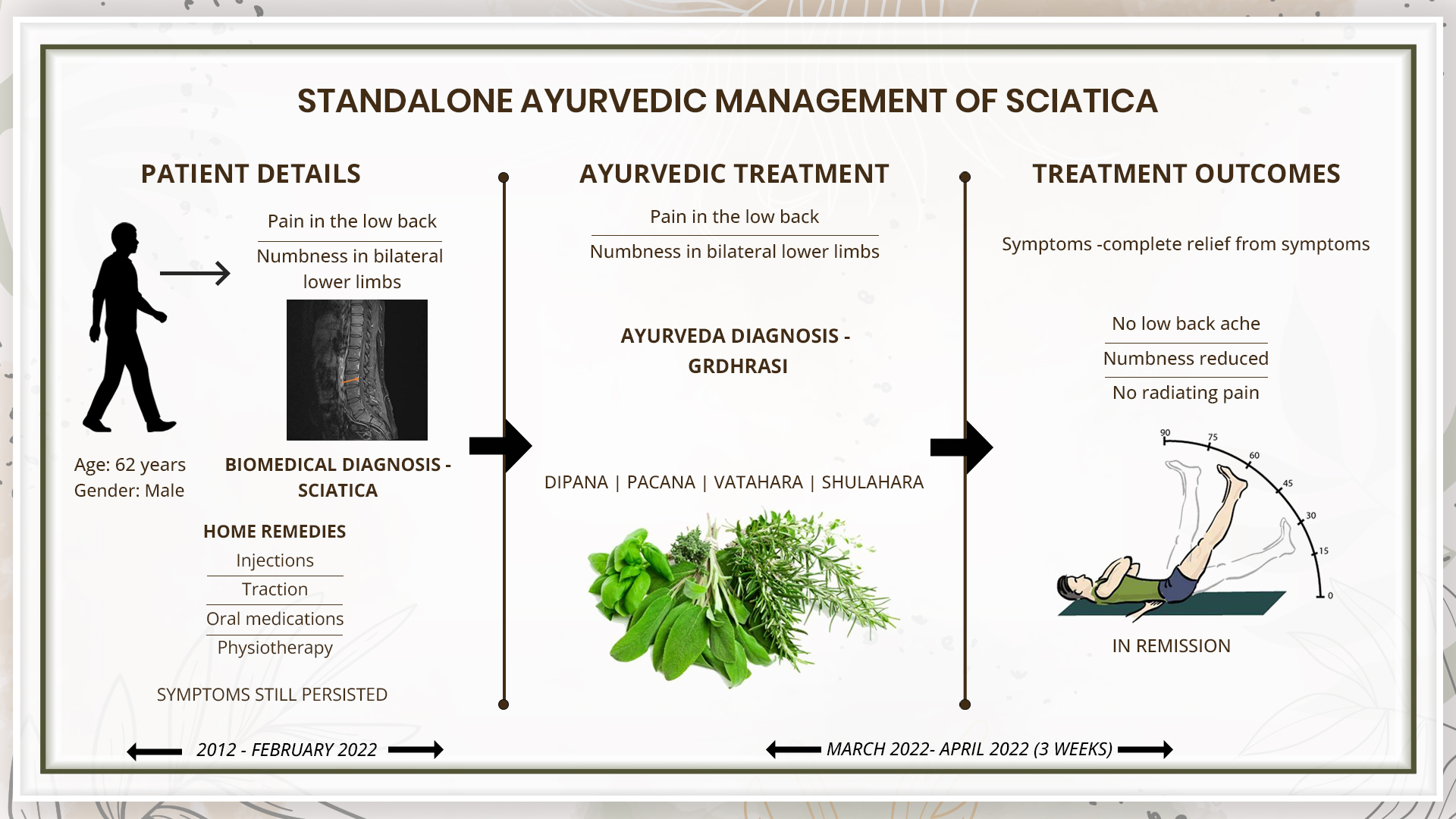
A 62-year-old patient was suffering from pain in the low back region for 10 years (2012). He tried home remedies for some time, but the pain persisted. 3 years later he developed numbness in the bilateral lower limbs. MRI of LS spine confirmed the biomedical diagnosis as Sciatica (2015) [1]. He consulted Allopathic doctors and underwent traction, took injections and oral medications. He would get temporary relief and the symptoms would relapse again. He even tried physiotherapy for 10 days. As he was not satisfied with the outcomes, he consulted Dr Ajayan. The Ayurvedic diagnosis was Gridhrasi. [2] The line of treatment followed was dipana, pacana, vatahara and to pacify pain. After 2 weeks of ayurvedic treatments, the patient got complete relief from low back pain. SLR in the right and left before treatment was 40 degrees with pain. After treatment, SLR was recorded at 70 degrees on the left without pain, and negative on the right. There was no radiating pain and the numbness reduced significantly. All the medicines were stopped, and the patient is in remission.
-
Summaries
-
Listen
-
Watch
-
View
-
Read
A 62-year-old patient was suffering from pain in the low back region for 10 years (2012). He tried home remedies for some time, but the pain persisted. 3 years later he developed numbness in the bilateral lower limbs. MRI of LS spine confirmed the biomedical diagnosis as Sciatica (2015) [1]. He consulted Allopathic doctors and underwent traction, took injections and oral medications. He would get temporary relief and the symptoms would relapse again. He even tried physiotherapy for 10 days. As he was not satisfied with the outcomes, he consulted Dr Ajayan. The Ayurvedic diagnosis was Gridhrasi. [2] The line of treatment followed was dipana, pacana, vatahara and to pacify pain. After 2 weeks of ayurvedic treatments, the patient got complete relief from low back pain. SLR in the right and left before treatment was 40 degrees with pain. After treatment, SLR was recorded at 70 degrees on the left without pain, and negative on the right. There was no radiating pain and the numbness reduced significantly. All the medicines were stopped, and the patient is in remission.
-
-
Timeline
-
Tabulated Summary
-
Narrative
TITLE OF CASE
Successful standalone ayurvedic management of Sciatica- A case report
Dr Ajayan
ABSTRACT
A 62-year-old patient was suffering from pain in the low back region for 10 years (2012). He tried home remedies for some time, but the pain persisted. 3 years later he developed numbness in the bilateral lower limbs. MRI of LS spine confirmed the biomedical diagnosis as Sciatica (2015) [1]. He consulted Allopathic doctors and underwent traction, took injections and oral medications. He would get temporary relief and the symptoms would relapse again. He even tried physiotherapy for 10 days. As he was not satisfied with the outcomes, he consulted Dr Ajayan. The Ayurvedic diagnosis was Gridhrasi. [2] The line of treatment followed was dipana, pacana, vatahara and to pacify pain. After 2 weeks of ayurvedic treatments, the patient got complete relief from low back pain. SLR in the right and left before treatment was 40 degrees with pain. After treatment, SLR was recorded at 70 degrees on the left without pain, and negative on the right. There was no radiating pain and the numbness reduced significantly. All the medicines were stopped, and the patient is in remission.
KEYWORDS
Gridhrasi, sciatica, case report, SLR
INTRODUCTION
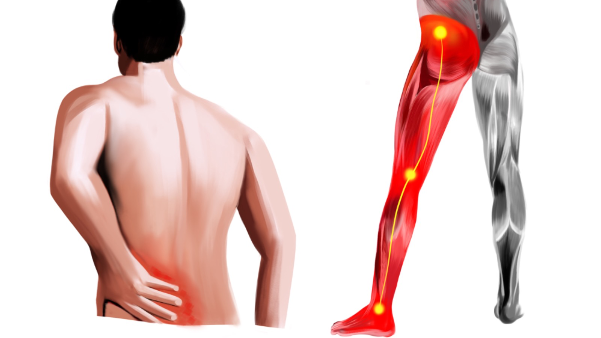
Sciatica is a debilitating condition that is a result of the sciatic nerve or sciatic nerve root pathology. Affected patients experience pain and paraesthesia in the sciatic nerve distribution or an associated lumbosacral nerve root. Sciatica pain often is worsened with twisting, bending, or coughing.
Causes:
Any condition that may structurally impact or compress the sciatic nerve may cause sciatica symptoms. The most common cause of sciatica is a herniated or bulging lumbar intervertebral disc. Lumbar spinal stenosis in elderly people, spondylolisthesis, lumbar or pelvic muscular spasm and/or inflammation, spinal or paraspinal mass including malignancy, epidural hematoma, or epidural abscess may also cause a mass-like effect and sciatica symptoms.
Diagnostic criteria:
Sciatica is a clinical diagnosis, and therefore, a thorough history and physical examination are necessary for a complete evaluation and diagnosis. Additionally, pain that has been persistent for 6 to 8 weeks and not responding to conservative management should be imaged.
Treatment:
This is often a chronic condition that is managed through the use of analgesics to control the pain and NSAIDs to decrease inflammation. Surgery is opted, once the conservative methods fail. In this patient, the symptoms have been persisting since 10 years. Over the years, he tried conventional medicine and physiotherapy, but got only temporary relief.
Prognosis:
Most cases of sciatica resolve in less than 4 to 6 weeks with no long-term complications even if no medical therapy is sought. In more severe cases or cases where the neurologic deficit is present, the patient may have a more prolonged course of recovery. However, recovery is still excellent.
PATIENT INFORMATION
A 62-year-old male patient was suffering from pain in the low back region for 10 years (2012). He tried home remedies for some time, but the pain persisted. Three years later he developed numbness in the bilateral lower limbs. MRI of the LS spine confirmed the biomedical diagnosis as Sciatica (2015).
Medical History: The complaints of low back pain started 10 years ago. He had done home remedies, but the pain persisted. Three years later he developed numbness on the bilateral lower limb. He consulted allopathic doctors and underwent traction, injection, and medications. For 3-4 months the patient got some relief, but the condition would relapse again. In February 2022, he tried physiotherapy for 10 days. He got only temporary relief. So in March 2022, he consulted Dr Ajayan for better management of the condition.
CLINICAL FINDINGS/PHYSICAL EXAMINATION
Low back:
Flexion and extension- possible with pain. Lateral flexion, extension- possible SLR: Right - positive at 40 degree Left- positive at 40 degree. Crepitus on knee joint: present on bilateral lower limb
TIMELINE
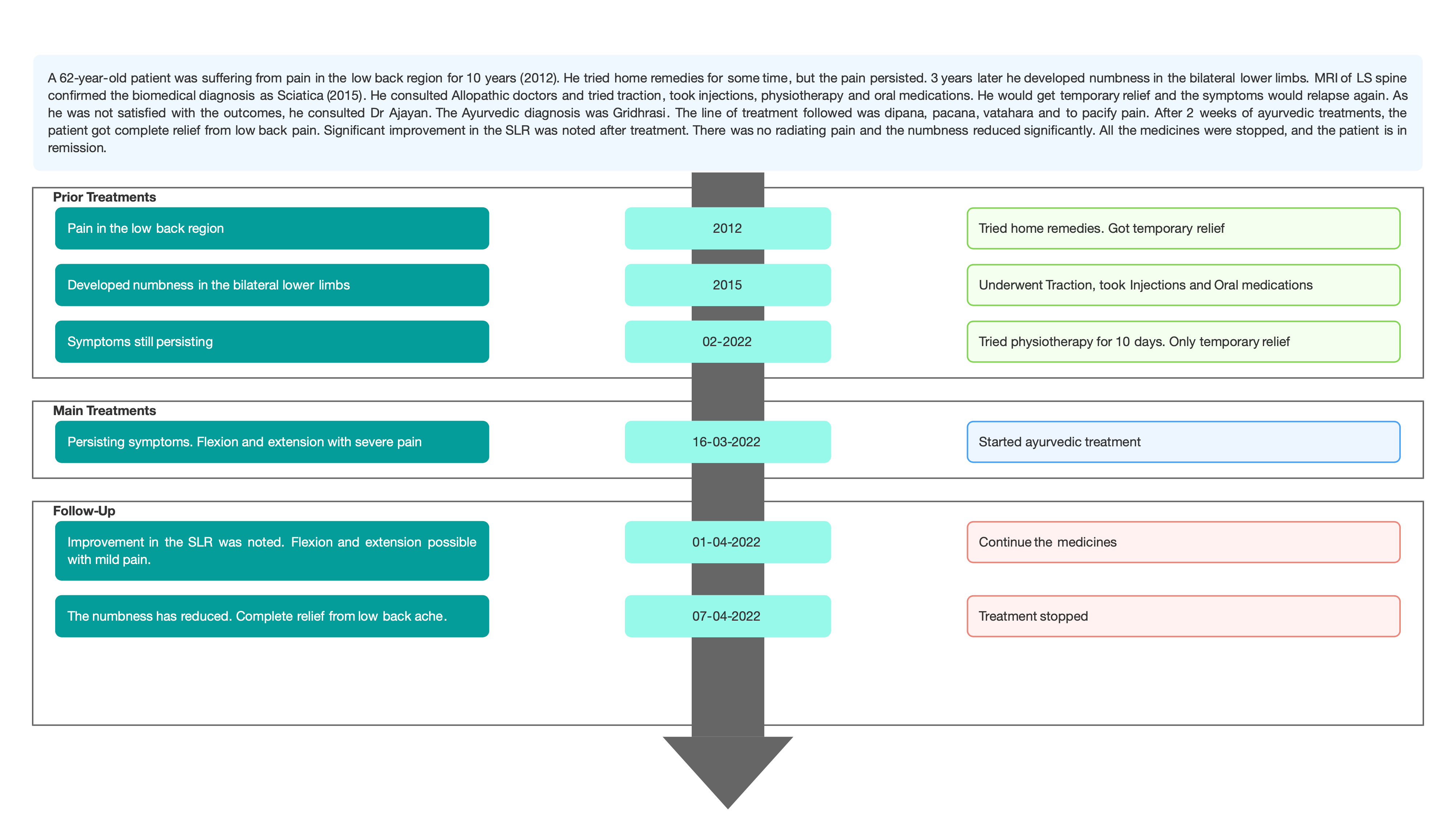
Image1. TIMELINE of events to be added
DIAGNOSTIC ASSESSMENT
Modern Diagnostic parameter: The biomedical diagnosis was made based on clinical presentation and examination. This was confirmed with MRI spine done in 2015 and at baseline 2022.
Image 2. MRI spine (old report) dated 2015 added below
Image 3. MRI spine dated 2022 added below
Ayurvedic Assessment was done based on the investigation reports and the clinical evaluation by the ayurvedic physician.
Differential Diagnosis- The diagnosis was confirmed with MRI spine dated 2015 and 2022.
Prognosis- Most cases of sciatica resolve in less than 4 to 6 weeks with no long-term complications even if no medical therapy is sought. In more severe cases or cases where the neurologic deficit is present, the patient may have a more prolonged course of recovery. In this patient in spite of taking the modern line of management in the form of oral medicines, injections, and physiotherapy the condition persists and became progressive in nature. After 3 weeks of ayurveda treatment, the low back ache was relieved, numbness was reduced with no radiating pain in the lower limbs.
THERAPEUTIC INTERVENTION
See the tab ‘Treatment details
FOLLOW-UP AND OUTCOMES
Clinician-based assessment; The SLR, flexion and extension of low back was used as the assessment criteria in this patient. The repeat MRI could not be done owing to the cost.
Table 1. Assessments recorded before, during and after treatment added below
Patient assessed: Not relevant
Adherence and tolerability – The patient adhered to the prescribed treatments and tolerated the treatments well.
Method of assessment- By monitoring the patient.
Adverse and unanticipated events; None reported.
DISCUSSION ;
As Gridhrasi is a vata nanatmaja vyadhi, the main target was to pacify the vitiated vata. Here the physician explains the rationale for each medicine selected.
Maharasnadi Kasaya- to address the pain
Abhayaristam- for pacana
Hinguvachadi curnam- for agnidipana
Yogaraja guggulu- Is vatahara
Satahwadi taila- to address the pain.
PATIENT’S PERSPECTIVE
Not available.
LEARNING POINTS/TAKE-HOME MESSAGES
The case report illustrates the utility of ayurveda concepts and the efficacy of ayurvedic medicines in treating a chronic case of sciatica that was not giving satisfactory outcomes with conventional management.
INFORMED CONSENT
Written consent was obtained from the patient to publish the case report.
CONFLICT OF INTEREST
None declared.
FUNDING
None
REFERENCE
- Ropper AH, Zafonte RD. Sciatica. N Engl J Med. 2015 Mar 26;372(13):1240-8. doi: 10.1056/NEJMra1410151. PMID: 25806916. Raff AB, Kroshinsky D. Cellulitis: A Review. JAMA. 2016 Jul 19;316(3):325-37.
- Sathavane GV, Pandya DH, Baghel MS. Effect of Vatari Guggulu in the management of Gridhrasi (sciatica). Ayu. 2015 Jan-Mar;36(1):41-5.
Image 1. Timeline
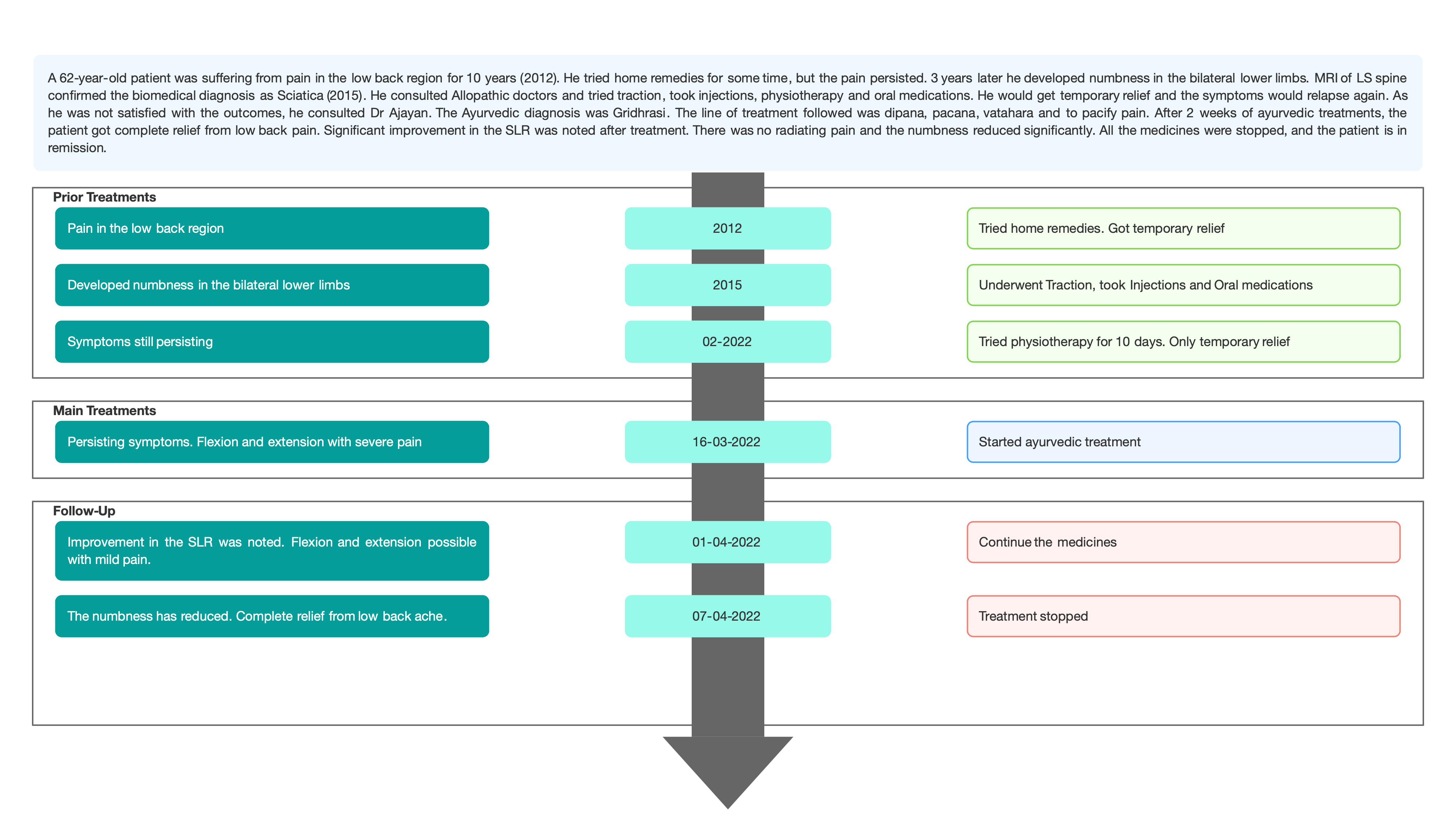
Image 2. MRI spine (old report) dated 2015
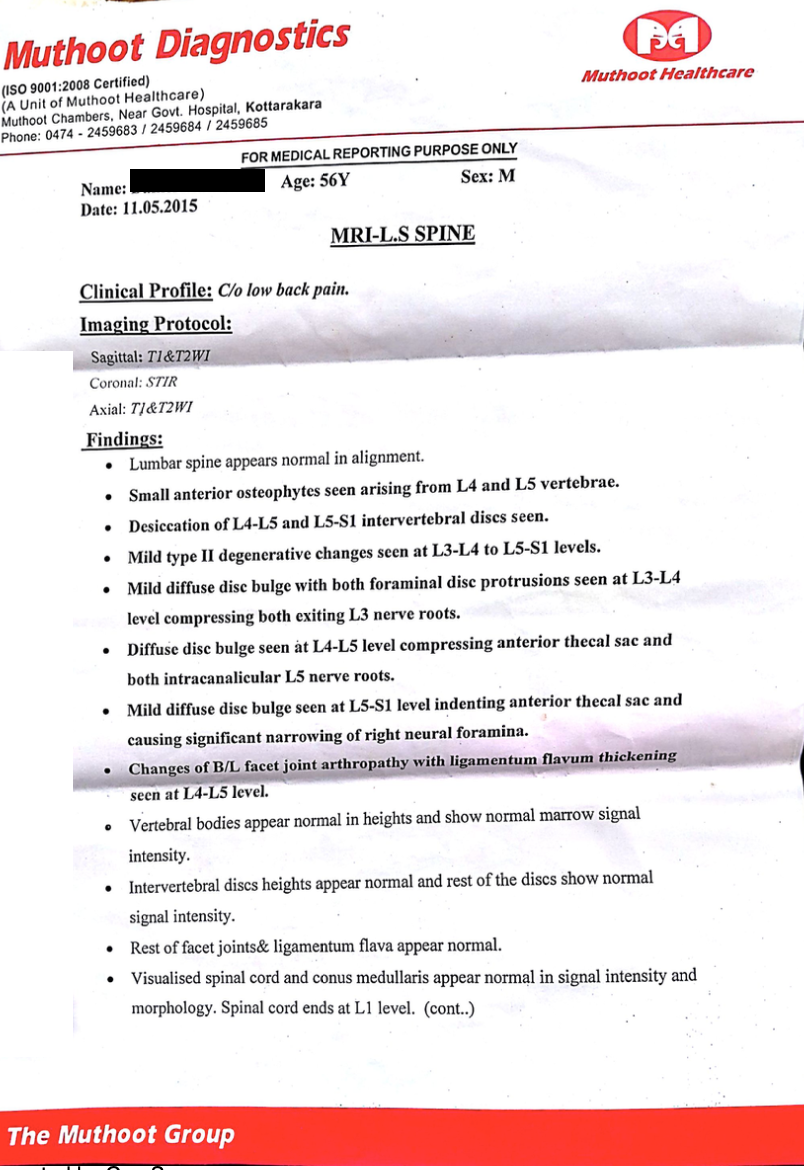
Image 3. MRI spine dated 2022
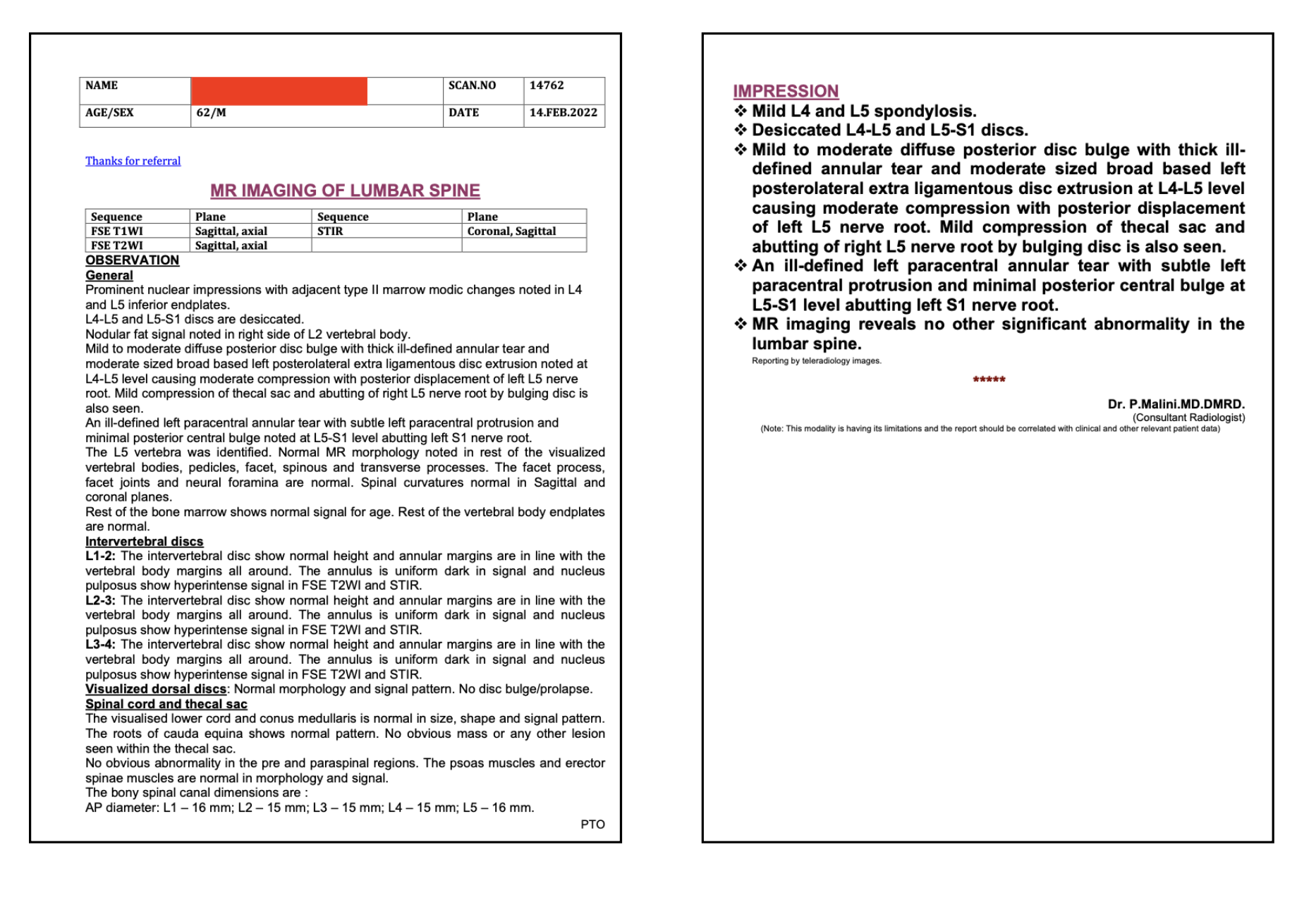
Table 1. Assessments recorded before, during and after treatment
Assessments
Before treatment
(16/3/22)
During treatment
(1/4/22)
After treatment
(7/4/22)
SLR
Positive at 400bilateral
Left- positive at 600, slightly painful
Right- negative, could raise without pain
Left- positive at 70 degree without pain Right- Negative.
Low back- Flexion and extension
Painful
Possible- with mild pain
Possible- with no pain
-
Immersive Learning
-
Modern Diagnosis
MODERN DIAGNOSIS: Sciatica
ABOUT THE DISEASE:
Sciatica is a debilitating condition that is a result of the sciatic nerve or sciatic nerve root pathology. Affected patients experience pain and paraesthesia in the sciatic nerve distribution or an associated lumbosacral nerve root. Sciatica pain often worsens with twisting, bending, or coughing.
Causes:
Any condition that may structurally impact or compress the sciatic nerve may cause sciatica symptoms. The most common cause of sciatica is a herniated or bulging lumbar intervertebral disc. Lumbar spinal stenosis in elderly people, spondylolisthesis, lumbar or pelvic muscular spasm and/or inflammation, spinal or paraspinal mass including malignancy, epidural hematoma, or epidural abscess may also cause a mass-like effect and sciatica symptoms.
Diagnostic criteria:
Sciatica is a clinical diagnosis, and therefore, a thorough history and physical examination are necessary for a complete evaluation and diagnosis. Additionally, pain that has been persistent for 6 to 8 weeks and not responding to conservative management should be imaged.
A straight-leg raise has variable sensitivity and specificity and may or may not be present depending on the underlying cause. Typically pain that is reproduced between 30 to 70 degrees of hip flexion and experienced primarily in the back is likely due to a lumbar disc herniation. In this case report, the diagnosis was confirmed based on clinical examination and MRI spine.
Image 1. MRI spine dated 2015 added below
Image 2. MRI Spine at baseline dated February 2022 added below
Treatment:
This is often a chronic condition that is managed through the use of analgesics to control the pain and NSAIDs to decrease inflammation. Surgery is opted, once the conservative methods fail. In this patient, the symptoms have been persisting since 10 years. Over the years, he tried conventional medicine and physiotherapy, but got only temporary relief.
Prognosis:
Most cases of sciatica resolve in less than 4 to 6 weeks with no long-term complications even if no medical therapy is sought. In more severe cases or cases where the neurologic deficit is present, the patient may have a more prolonged course of recovery. However, recovery is still excellent.
Image 1. MRI spine dated 2015
Image 2. MRI Spine at baseline dated February 2022
-
Ayurveda Diagnosis
AYURVEDA DIAGNOSIS: Gridhrasi
ABOUT THE DISEASE:
Gridhrasi is Vata Nanatmaja Vyadhi.
पार्ष्णिप्रत्यङ्गुलीनांतुकण्डरायाऽनिलार्दिता|
सक्थ्नःक्षेपंनिगृह्णीयाद्गृध्रसीतिहिसास्मृता||७४||(Su. Ni 1/74)The condition in which Vata invades the Kandaras (tendons) of the ankles and toes produces kshepam (decreased movement)in the thighs is known as Gridhrasi.
Symptoms of Gridhrasi:
स्फिक्पूर्वाकटिपृष्ठोरुजानुजङ्घापदंक्रमात्|
गृध्रसीस्तम्भरुक्तोदैर्गृह्णातिस्पन्दतेमुहुः||५६||
वाताद्वातकफात्तन्द्रागौरवारोचकान्विता| (CS. Ci 28.56-57)The patient had the presenting symptoms ruja, and stamba.
Sadyasadhyata
A separate prognosis has not been mentioned for Gridhrasi. It may be said that gridhrasi, in which the vitiated vata is seated in majjadhatu or if gridhrasi is accompanied with khuddavata, angasosha and stambha may or may not be cured even after appropriate management. But if this condition occurs in a strong person and is of recent origin and without any associated disease, then it is curable. Sushruta mentions that a patient of vatavyadhi, if developed the complications like shuna, suptatvacha, bhagna, kampa, and pain in internal organs, then he will not survive.
नवान्बलवतस्त्वेतान्साधयेन्निरुपद्रवान्||७४|| (CS.Ci. 28/74)
Cikitsa of Gridhrasi
Gridhrasi being a Vata vyadhi, the general treatment followed is that of pacifying Vata. The first and foremost principle to be adopted in treatment is to avoid the nidana that causes gridhrasi.
According to the Dosha Kopa, Gridhrasi can be divided into three stages. It should be studied carefully before starting the treatment as the stage varies from time to time.
Stages of Dosha prakopa Treatment- Mild (vata) prakopa- Langhana
- Moderate- Langhana-Pachana
- Severe- (ama/vata kapha) Shodhana.
In all stages of Gridhrasi, except in Amavastha, oil preparations are suggested by all Acaryas, both externally and internally. The stage of gridhrasi in the patient was not specified by the treating physician.
In Charaka Samhita Bastikarma (Niruha and Anuvasana basti), Siravedha and Agnikarma (between kandara and gulpha) have been advised. Sushruta has advised Siravedha at janu after flexion. Astanga sangraha and Astanga Hrdaya have also advised Siravedha four angula above the janu. Yogaratnakara has recommended siravedha in the area of four angula around vasti and mutrendriya; if this fails, agnikarma in the little finger of the leg is advised.
Rationale: Being a vata vyadhi, the clinician opted Vata hara line of management along with agnideepana followed by shodhana chikitsa.
-
Treatment
Name of Medicine Dosage Form Dosage Mode of Administrtation From - To (Date) Medicine Reference Maharasnadi kashayam Kashayam 90ml-0-90ml before food Oral 2022-03-16 - 2022-04-07 Sharangadhara Samhita .M. Kh. 2nd chapter Abhayarishtam Arishtam 30ml-0-30ml after food Oral 2022-03-16 - 2022-04-07 Astanga sangraham, 10th chapter Hinguvachadi Curna Curnam 1tsp-0-1tsp Oral 2022-03-16 - 2022-04-07 Ashtangahridayam, udara chikitsa Yogarajaguggulu Tablet 1-0-1 Oral 2022-03-16 - 2022-04-07 Rasaratnasamuchaya, Guggulu varga Sathahwadi Tailam Tailam 50ml External application 2022-03-16 - 2022-04-07 AH.Uth.22 Thalam- Nimbamrutadi erandam+ rasnadi choornam Ruksha swedam with kola kulathadi churnam Thalam Ruksha swedam Daily once External application 2022-03-18 - 2022-03-24 Anubhuta yogam Nagaradi lepam + egg white Lepam Daily once External application 2022-03-18 - 2022-03-29 Anubhuta yogam Amruthotharam Kashayam Kashayam 90ml-0-90ml Oral 2022-03-20 - 2022-03-24 Sahasrayogam, Kashaya prakaranam Amrutharishtam Aristam 30ml-0-30ml Oral 2022-03-20 - 2022-03-24 Bhaishajya ratnavali, Kshaya Rogadhikara Vyoshadi Vatakam Vatakam 1tsp-0-1tsp Oral 2022-03-20 - 2022-03-24 AH. Chi. 10 Amruthotharam paana jalam Pana jalam Muhurmuhu Oral 2022-03-20 - 2022-03-24 Anubhuta yogam Gandharvahastadi tailam Tailam 25ml Virechanam 2022-03-25 - 2022-03-25 AH. Chi. 15/21 Erandapatranalikera swedam- erandapatram, coconut, vatavidhwamsani tailam- Daily once External application 2022-03-26 - 2022-04-01 Murivena Bandage As required External application 2022-03-30 - 2022-04-06 AH.Su.5 Vaitharana vasti Vasthi Daily Per rectal 2022-04-02 - 2022-04-06 Chakradatta. Nirukadikara. 32 -
Outcome Measures
OUTCOME MEASURES:
A 62 year old male presented with numbness radiating from bilateral lower limbs to low back region associated with pain in the low back. The symptom of low back pain started 10 years ago. Three years later he developed numbness on bilateral lower limb. He consulted allopathic doctors and underwent traction, injection and medicines. For 3-4 months the patient got some relief, but the condition would relapse again. In February 2022, 1 month prior to ayurvedic consultation, patient underwent physiotherapy for 10 days. He got only temporary relief. So he approached Dr Ajayan. The treatment plan was Vata hara cikitsa along with agni dipana followed by shodhana. SLR and low back mobility were assessed before, during and after treatment to measure treatment outcome. Owing to the cost, a repeat MRI was not recommended.
Table 1. The assessment done before, during and after treatment are recorded.
Assessments
Before treatment
(16/3/22)
During treatment
(1/4/22)
After treatment
(7/4/22)
SLR
Positive at 40 bilateral
Left- positive at 60, slightly painful
Right- negative, could raise without pain
Left- positive at 70 degree without pain Right- Negative.
Low back- Flexion and extension
Painful
Possible- with mild pain
Possible- with no pain
Divergent results on sciatica patients are challenging and different outcomes available make it difficult to compare the results. Patient-reported outcomes commonly used in clinical studies are
- Short Form-36 bodily pain (SF-36 BP)
- Oswestry disability index
- Roland-Morris disability index
- VAS score: one for leg pain and one for back pain
- McGill pain Questionnaire: this questionnaire looks at the location, intensity, quality and pattern of the pain as well as alleviating and aggravating factors
- VAS
In this case report, the outcome was assessed on the basis of clinical examinations like SLR and low back mobility.
Disease modifying effect- Patient is in remission.
-