Featured Case
-
Abstract
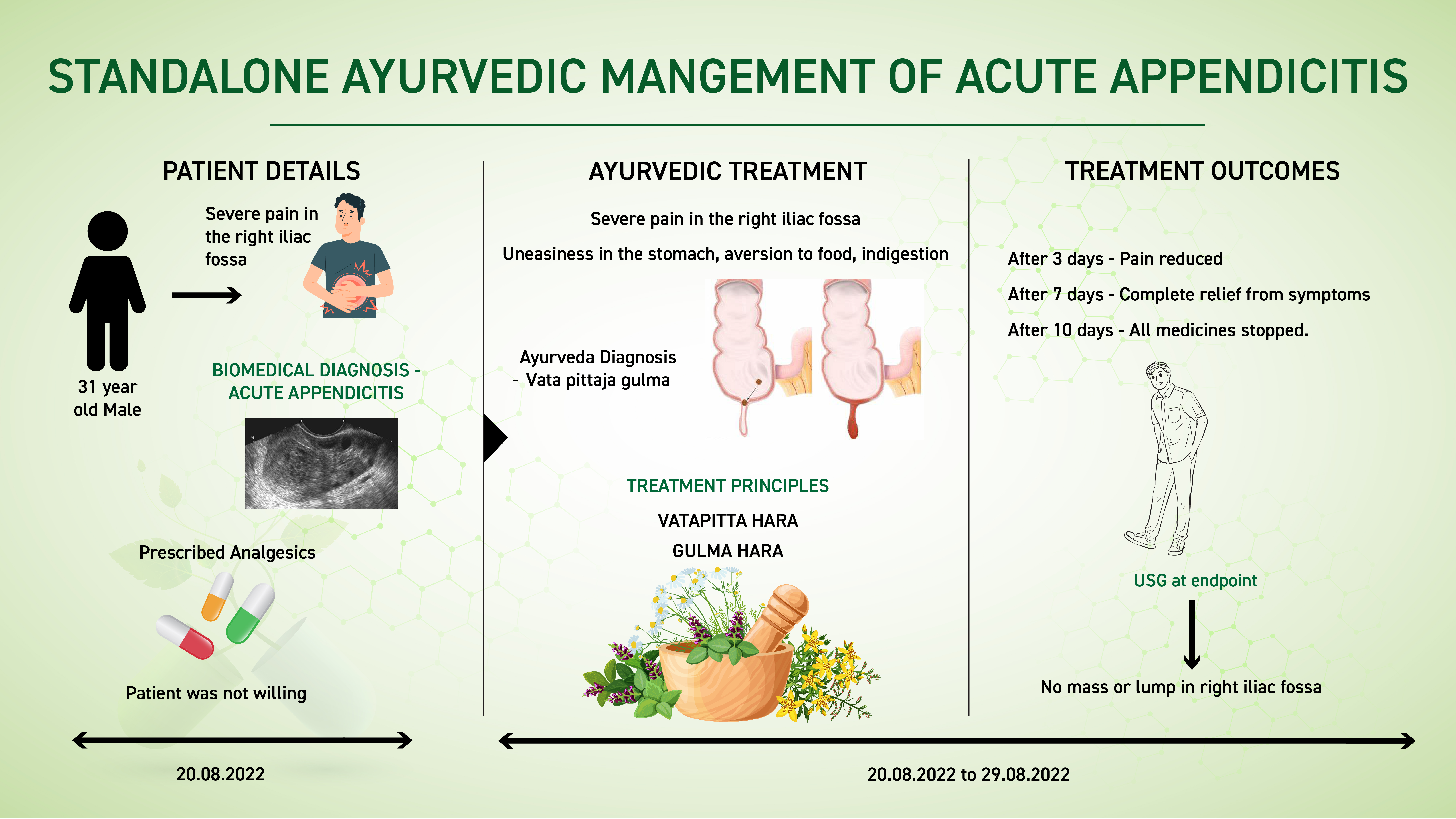
A 31-year-old male patient presented with acute onset of pain in the right iliac fossa associated with uneasiness in the stomach. The associated symptoms were aversion to food, indigestion, and constipation. He consulted an allopathic physician and was advised to take USG Abdomen. USG reveals an 8 mm inflamed appendix with inflammation of the meso appendix and caecum. The clinical condition was diagnosed as Acute appendicitis (Non obstructive) and prescribed analgesics. The patient was unwilling to take the prescribed medicines and approached Dr Akhilesh Varier. The ayurvedic diagnosis was Vatapitta pradhana gulma[1]. The line of treatment followed was vata pitta hara and gulma hara. Pain reduced after 3 days of treatment. The patient attained complete symptomatic relief within 7 days of treatment. The bowel movement was satisfactory, and the patient’s hunger was restored. He stopped all the ayurvedic medicines after 10 days of treatment. A repeat USG confirmed no mass or lump in the right iliac fossa.
-
Summaries
-
Listen
-
Watch
-
View
-
Read
A 31-year-old male patient presented with acute onset of pain in the right iliac fossa associated with uneasiness in the stomach. The associated symptoms were aversion to food, indigestion, and mild constipation. He consulted an allopathic physician and was advised to take USG Abdomen. USG reveals an 8 mm inflamed appendix with inflammation of the meso appendix and caecum. The clinical condition was diagnosed as Acute appendicitis (Non obstructive) and prescribed analgesics. The patient was unwilling to take the prescribed medicines and approached Dr Akhilesh Varier. The ayurvedic diagnosis was Gulma- vata pittaja [1]. The line of treatment followed was vata pitta hara and gulma hara. Pain reduced after 3 days of treatment. The patient attained complete symptomatic relief within 7 days of treatment. The bowel movement was satisfactory, and the patient’s hunger was restored. He stopped all the ayurvedic medicines after 10 days of treatment. A repeat USG done confirmed no mass or lump in the right iliac fossa.
-
-
Timeline
-
Tabulated Summary
-
Narrative
TITLE OF CASE
Successful Ayurvedic management of Acute appendicitis (Non obstructive) - A case report.
Dr Akhilesh Varrier
ABSTRACT
A 31-year-old male patient presented with acute onset of pain in the right iliac fossa associated with uneasiness in the stomach. The associated symptoms were aversion to food, indigestion, and mild constipation. He consulted an allopathic physician and was advised to take USG Abdomen. USG reveals an 8 mm inflamed appendix with inflammation of the meso appendix and caecum. The clinical condition was diagnosed as Acute appendicitis (Non obstructive) and prescribed analgesics. The patient was unwilling to take the prescribed medicines and approached Dr Akhilesh Varier. The ayurvedic diagnosis was vata pitta pradhana gulma [1]. The line of treatment followed was vata pitta hara and gulma hara. Pain reduced after 3 days of treatment. The patient attained complete symptomatic relief within 7 days of treatment. The bowel movement was satisfactory, and the patient’s hunger was restored. He stopped all the ayurvedic medicines after 10 days of treatment. A repeat USG done confirmed no mass or lump in the right iliac fossa.
KEYWORDS
Acute Appendicitis, Non obstructive, Ayurveda, Vata pitta pradhana gulma, Case report, Strandalone
INTRODUCTION
Appendicitis [2] is the inflammation of the appendix, a finger-shaped pouch that projects from the colon on the lower right side of the abdomen. Although appendicitis can affect any age group, it generally prevails between the age of 10 and 30.
The symptoms of Appendicitis are a pain in the lower right abdomen. Sometimes, the pain begins around the navel, and then it spreads. As the inflammation worsens, the pain becomes intense and excruciating. Associated symptoms like nausea, loss of appetite, low-grade fever, constipation or diarrhoea, and abdominal bloating, can also appear along with the pain.
Diagnosis & Treatment- Medical history taking and clinical examination are the basic diagnostic criteria. Imaging like X Ray, USG, CT or MRI is done to confirm the diagnosis. Urine tests and blood tests are done to rule out certain clinical conditions. Once the diagnosis is confirmed, the abscess may be drained and surgery can be performed later. Appendectomy is the best treatment option recommended in Modern medicine. In this case report, the patient was diagnosed with the help of USG abdomen and was prescribed analgesics. But he was unwilling, so he opted for Ayurveda.
Prognosis: The prognosis is good, with surgical management. If the appendix bursts, the body tends to try to heal of its own accord, but there are risks involved. If appendicitis is not managed as required, it becomes fatal within a short span of time. This applies to obstructive appendicitis. In this patient, the condition was non obstructive, and so ayurvedic conservative management was successful. Within 9 days, the patient got complete relief from the symptoms, and a repeat USG done at the endpoint revealed no mass or lump in the right iliac fossa.
PATIENT INFORMATION
The 31-year-old male patient presented with acute onset of pain in the right iliac fossa associated with uneasiness in the stomach. The other symptoms were aversion to food, indigestion and occasional constipation.
Medical History: He consulted an allopathic physician and was advised to take USG Abdomen. USG revealed an 8mm inflamed appendix with inflammation of the meso appendix and caecum. The condition was diagnosed as acute appendicitis and prescribed analgesics. But the patient was unwilling to continue the treatment. He opted for Ayurvedic medicines for further management.
No history of surgery or comorbidities. The patient is addicted to alcohol and smoking.
CLINICAL FINDINGS
On clinical examination, at Mc Burney’s point- Tenderness++ was recorded.
TIMELINE
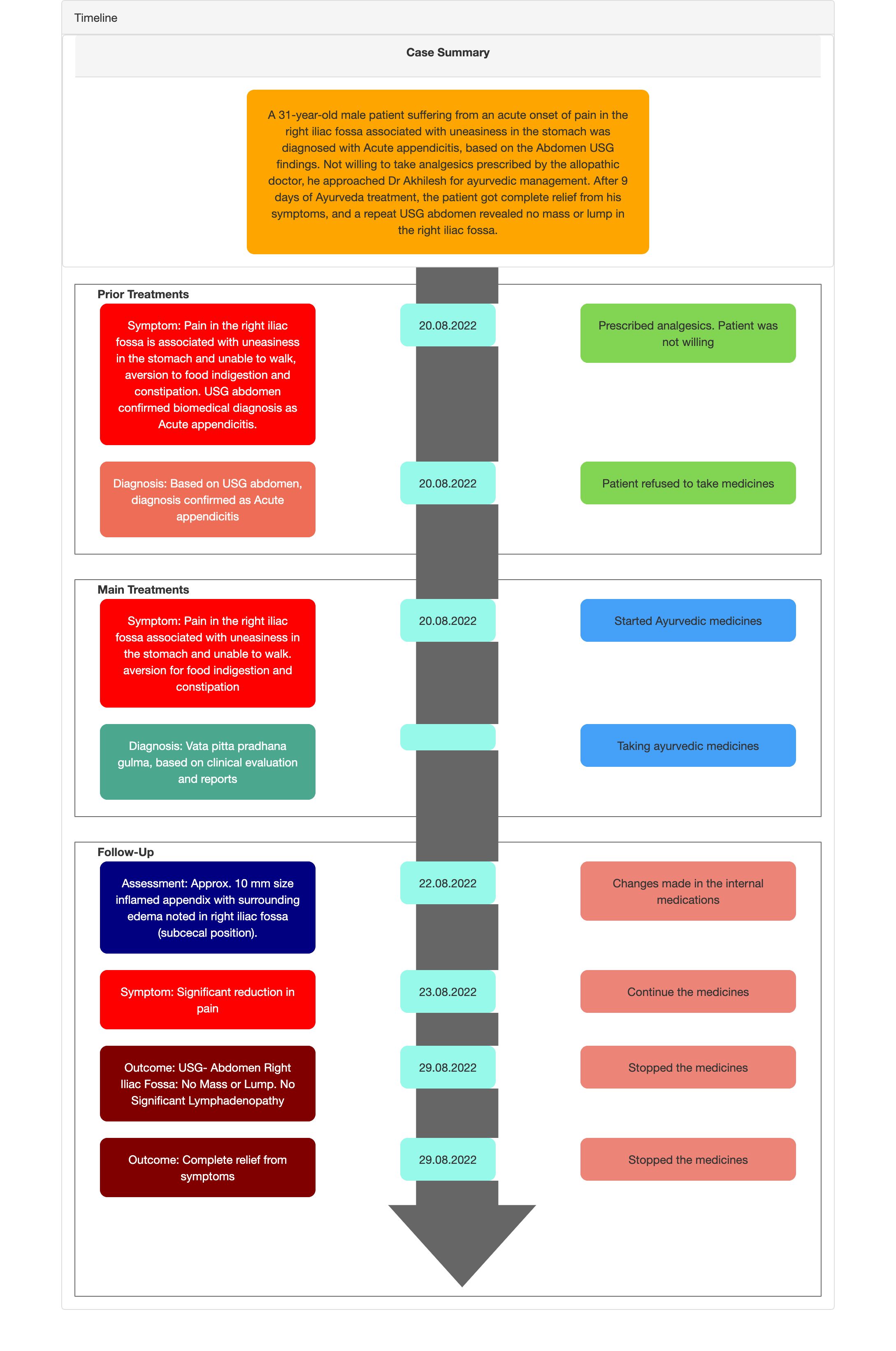
Image 1. Timeline of events attached below
DIAGNOSTIC ASSESSMENT
Modern Diagnostic parameter: USG abdomen was the diagnostic criteria followed. Ultrasound whole abdomen revealed an 8 mm sized hypoechoic appendix is seen with an inflamed caecum and mesoappendix. The biomedical diagnosis was confirmed as acute appendicitis.
Image 2. USG scan of the whole abdomen dated 20.08.2022 is attached below
Ayurvedic Assessment was done based on the clinical evaluation by the ayurvedic physician.
Differential Diagnosis- This does not apply as the patient came in with a definite diagnosis.
Prognosis- Most patients with appendicitis recover quickly with surgical treatment, but complications can occur if treatment is delayed or if peritonitis occurs. It usually takes between 10 and 28 days to recover completely. In this case, with 10 days of Ayurvedic treatment, the patient was able to attain complete relief from the chief complaints.
THERAPEUTIC INTERVENTION
See the tab ‘Treatment details’
FOLLOW-UP AND OUTCOMES
Clinician-based assessment; Subjective parameters were assessed. Pain reduced after 3 days of treatment. The patient attained complete symptomatic relief within 7 days of treatment. No pain in the abdomen, bowels were normal and hunger was restored.
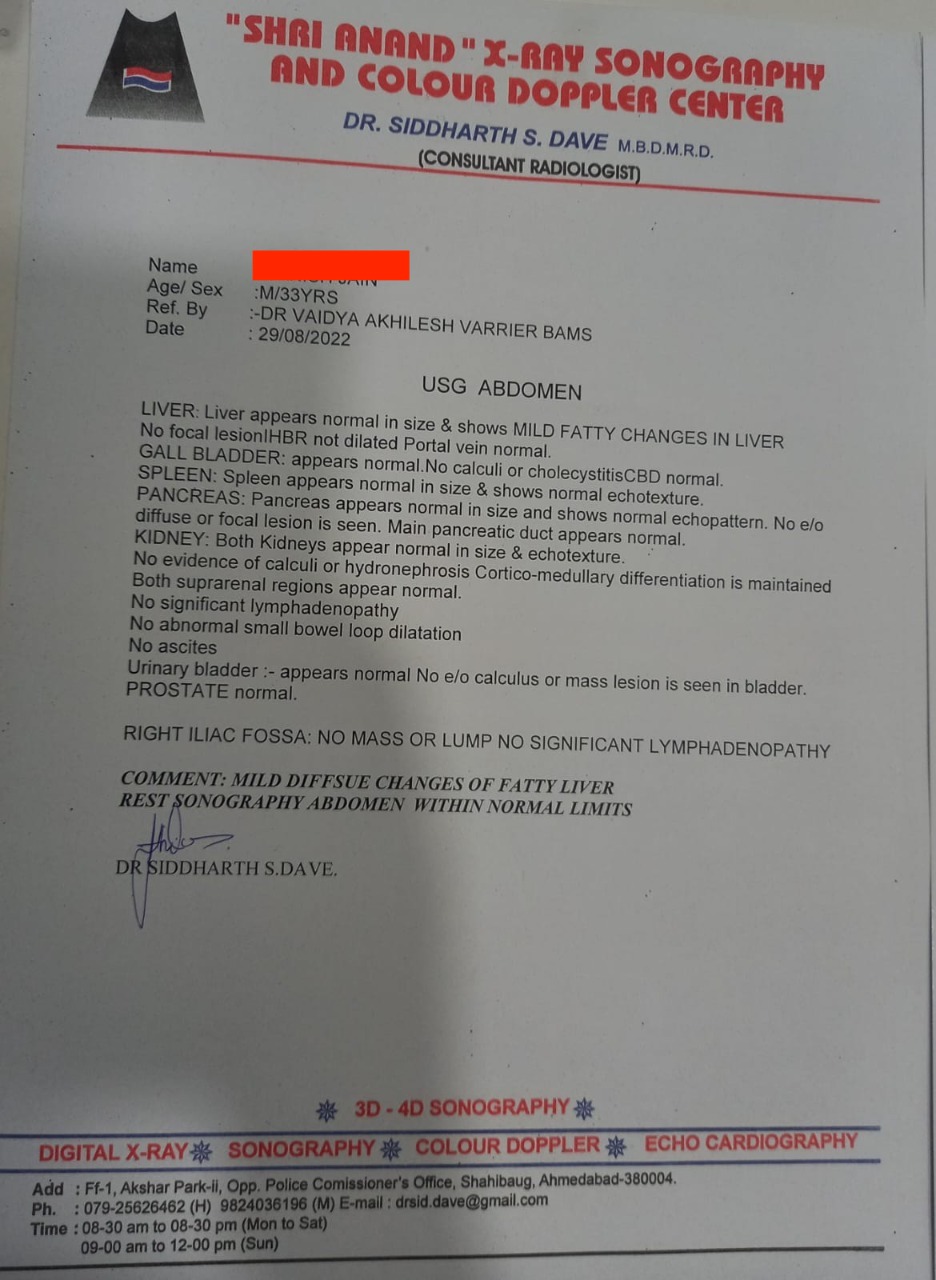
Objective parameters: USG scan done on 29/8/2022 revealed no mass or lump in the right iliac fossa. No significant lymphadenopathy.
Image 3. USG scan done during treatment dated 22.08.2022 added below
Image 4. USG scan done after 9 days of ayurvedic treatment dated 29.08.2022 added below
Patient assessed: Not relevant.
Intervention adherence and tolerability – The patient adhered to the prescribed treatments and tolerated the treatments well.
Method of assessment- By monitoring the patient.
Adverse and unanticipated events; None reported.
DISCUSSION ;
In this case report, the ayurvedic diagnosis was vatapitta pradhana gulma. The treatment was mainly planned to pacify vata and pitta and address gulma.
PATIENT’S PERSPECTIVE
Not available.
LEARNING POINTS/TAKE-HOME MESSAGES
This case report demonstrates the successful standalone ayurvedic management of acute appendicitis. In this patient, the endpoint scan done revealed that the inflammation has been reverted.
INFORMED CONSENT
Written consent obtained from patient to publish the case report.
CONFLICT OF INTEREST
None declared.
FUNDING
None
REFERENCE
- Kavita vyas et al. A review on the concept of gulma in Ayurveda with special reference to inflammation and pain. Int. J. Res. Ayurveda Pharm. 2018;9(2):1-5 http://dx.doi.org/10.7897/2277- 4343.09225
- Bhangu A, Søreide K, Di Saverio S, Assarsson JH, Drake FT. Acute appendicitis: modern understanding of pathogenesis, diagnosis, and management. Lancet. 2015 Sep 26;386(10000):1278-1287.
Image 1. Timeline of events
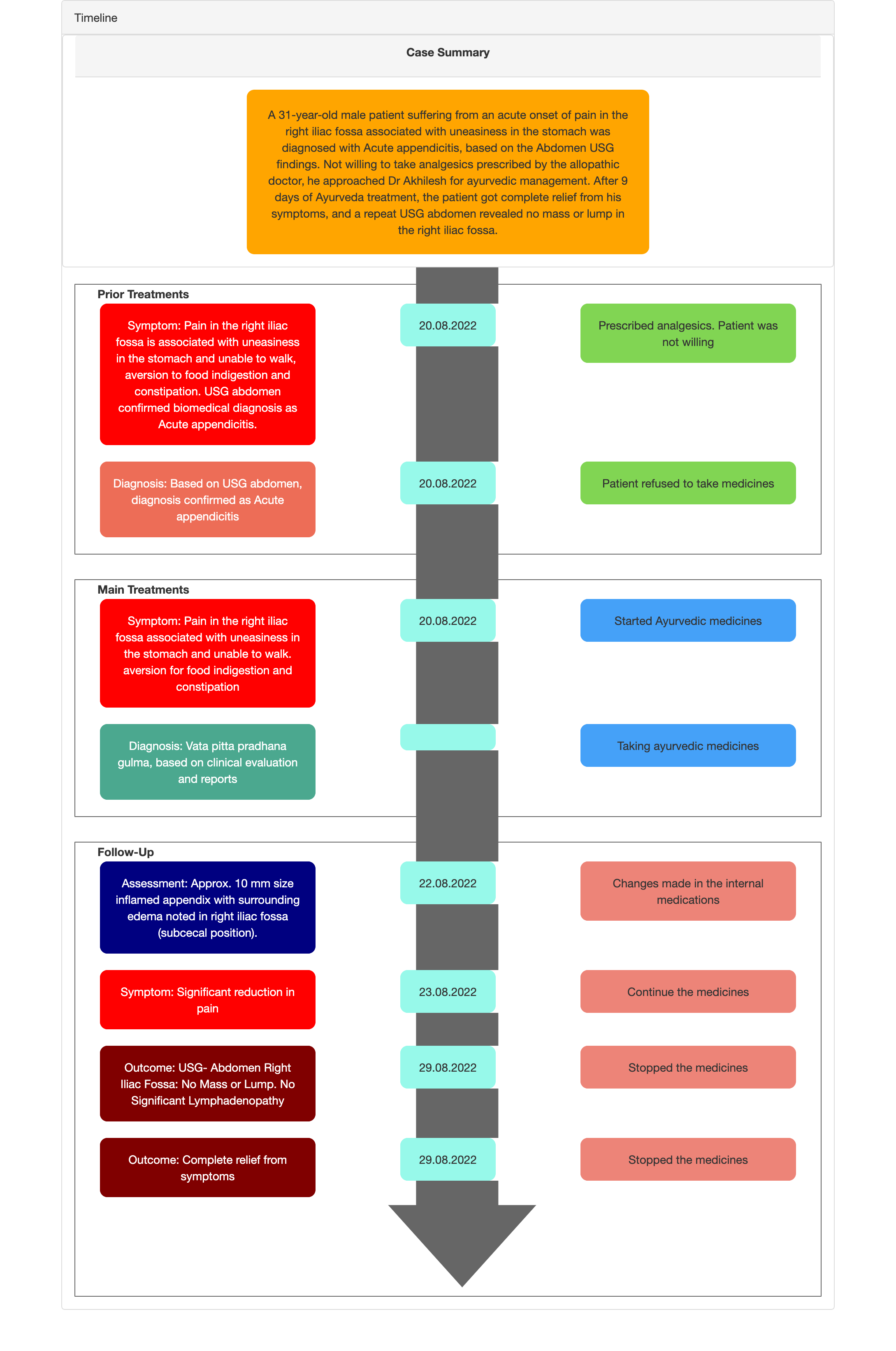
Image 2. USG scan the whole abdomen dated 20.08.2022
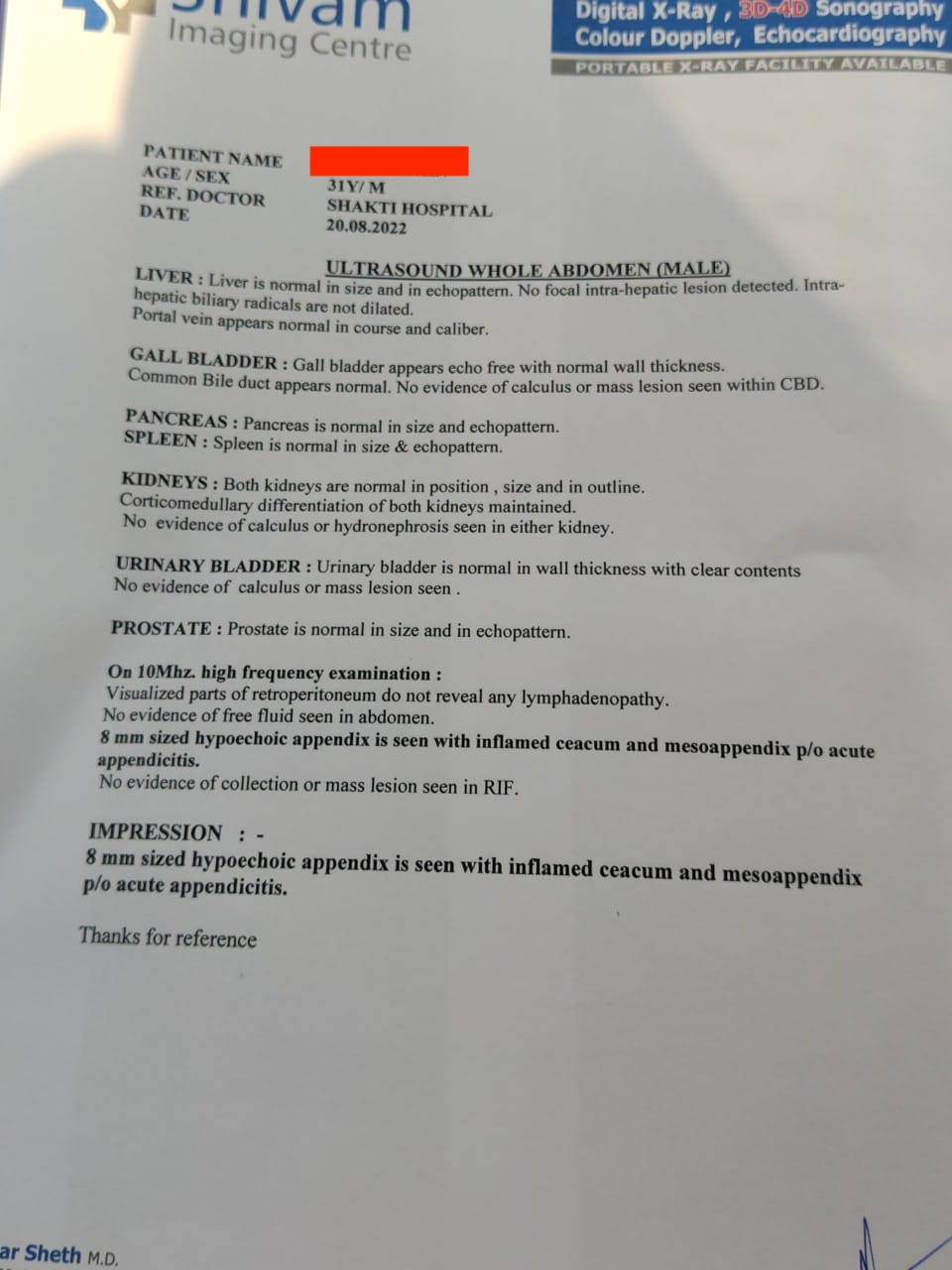
Image 3. USG scan done during treatment dated 22.08.2022
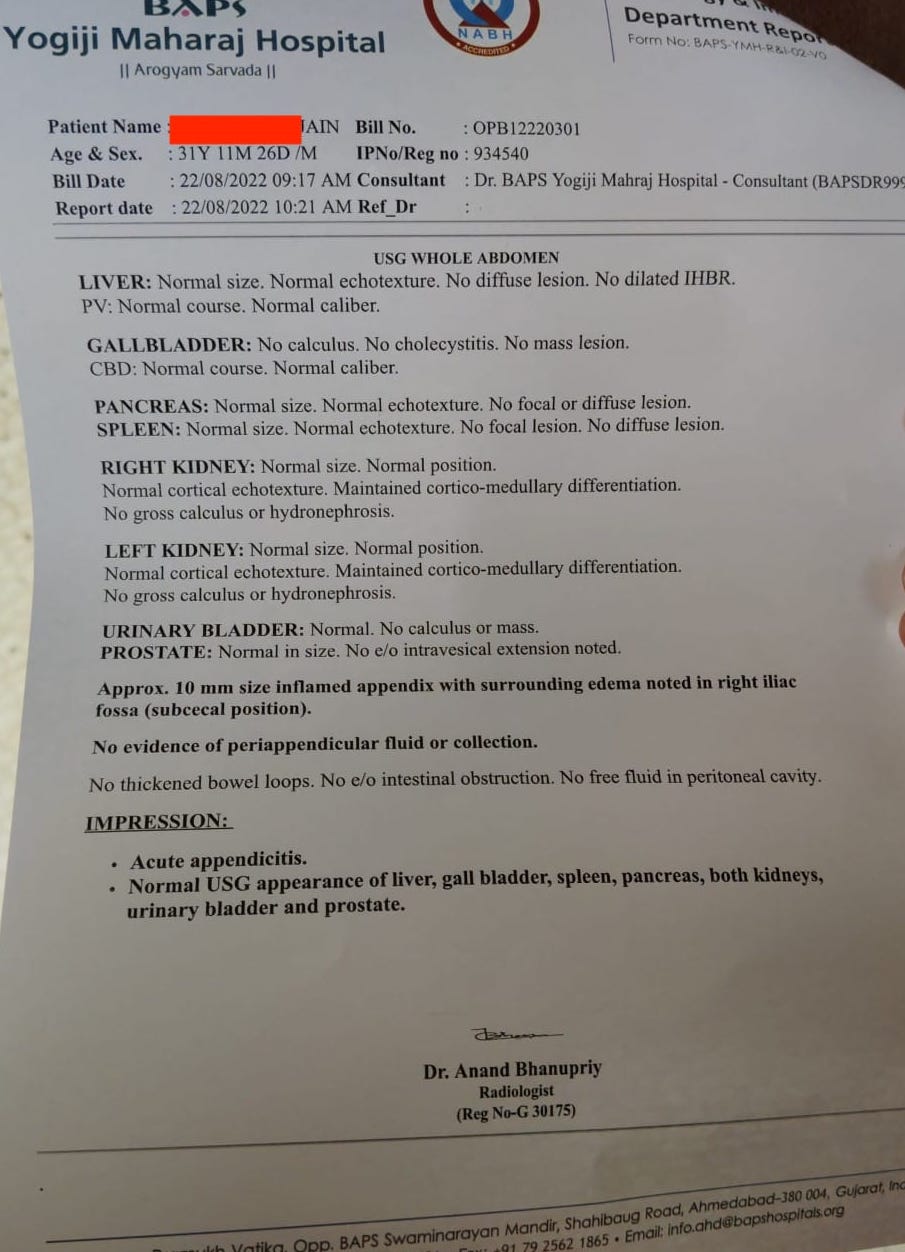
Image 4. USG scan done after 9 days of ayurvedic treatment dated 29.08.2022
-
Immersive Learning
-
Modern Diagnosis
MODERN DIAGNOSIS: Acute appendicitis (Non obstructive)
ABOUT THE DISEASE:
Appendicitis[1] is the inflammation of the appendix, a finger-shaped pouch that projects from the colon on the lower right side of the abdomen. Although appendicitis can affect any age group, it generally prevails between the age of 10 and 30.
The symptoms of Appendicitis are pain in the lower right abdomen. Sometimes, the pain begins around the navel, and then it spreads. As the inflammation worsens, the pain becomes intense and excruciating. Associated symptoms like nausea, loss of appetite, low-grade fever, constipation or diarrhoea, and abdominal bloating, can also appear along with the pain.
Cause- An infection caused by the blockage in the lining of appendicitis. The bacteria multiply rapidly causing inflammation and swelling and this is filled with pus. At this stage, if not treated, the appendix can rupture and cause grave health issues.
Diagnosis & Treatment- Medical history taking and clinical examination are the basic diagnostic criteria. Imaging like X Ray, USG, CT or MRI is done to confirm the diagnosis. Urine tests and blood tests are done to rule out certain clinical conditions. Once the diagnosis is confirmed, the abscess may be drained and surgery can be performed later. Appendectomy is the best treatment option recommended in Modern medicine. In this case report, the patient was diagnosed with the help of USG abdomen and was prescribed analgesics. But he was unwilling, so he opted for Ayurveda.
Prognosis: The prognosis is good, with surgical management. If the appendix bursts, the body tends to try to heal of its own accord, but there are risks involved. If appendicitis is not managed as required, it becomes fatal within a short span of time. In this patient, within 9 days, the patient got complete relief from the symptoms, and a repeat USG done at the endpoint revealed no mass or lump in the right iliac fossa.
Reference
- Bhangu A, Søreide K, Di Saverio S, Assarsson JH, Drake FT. Acute appendicitis: modern understanding of pathogenesis, diagnosis, and management. Lancet. 2015 Sep 26;386(10000):1278-1287.
Image 1. Baseline USG abdomen dated 20.08.2022
Image 2. USG whole abdomen dated 22.08.2022
Image 3. Blood parameters measured at baseline
-
Ayurveda Diagnosis
AYURVEDA DIAGNOSIS: Vatapitta pradhana gulma
ABOUT THE DISEASE:
The disease gulma is generally translated as abdominal lumps that is caused by the aggravation and encapsulation of Vata dosha.
कुपित अनिल मूढत्वात्…॥
गूढ गुल्मोदय…।
There is no idea about the site of origin.
गुल्मवत् विशालत्वात्…।
It spreads rapidly like that of shrubs.
This is also referred to as a phantom tumor, gaseous tumors etc.
Depending upon the predominant dosha, there is vataja, pittaja, kaphaja, sannipataja. Raktaja type is generally correlated to gynaecological conditions like fibroids, cysts etc in females.
Causes- Consuming food that vitiates vata, suppression of natural urges, grief/stress, and constipation, are some of the basic causative factors for the disease. Vata gets vitiated further vitiating pitta and kapha. This causes the blockage of the srotas. The site of infliction is mentioned as hrt (in the chest), nabhi (umbilicus) and vasti (pelvic region).
Prognosis- Gulma with associated symptoms like restlessness, abdominal pain, thirst, anorexia, body ache, stiffness and debility are critical. The tridoshaja type is incurable. In this patient, based on the presentation of symptoms, the physician has identified the condition as vata pitta pradhana gulma.
Treatment Rationale:
The classical textbooks advise snehapanam as the best treatment modality for gulma, especially if it affects the urdhva and nabhi. If it inflicts the pakvashaya, then vasti is considered ideal. And if the infliction is in the jathara, then both are considered effective. The treating physician has prescribed medicines, basically with the target of pacifying vata and pitta and addressing gulma simultaneously.
Reference
- Kavita vyas et al. A review on the concept of gulma in Ayurveda with special reference to inflammation and pain. Int. J. Res. Ayurveda Pharm. 2018;9(2):1-5 http://dx.doi.org/10.7897/2277- 4343.09225
-
Treatment
Name of Medicine Dosage Form Dosage Mode of Administrtation From - To (Date) Medicine Reference Indukantham kashayam Kashayam 10ml + 40 ml luke warm water half an hour before breakfast,lunch,dinner Oral 2022-08-25 - 2022-09-07 Sahasrayogam, kashayaprakaram Vidaryadi kashayam Kashayam 10ml + 40 ml luke warm water half an hour before breakfast,lunch,dinner Oral 2022-08-25 - 2022-09-07 A.H. Sutrasthana 15/9–10 Dasamoola Hareetaki lehyam Lehyam A littleless than ¼ tsp often. Oral 2022-08-22 - 2022-09-05 A.H . Chikitsasthana 17/14-16 Dhanwantaram Gulika Tablet One at 9 am , 1 pm, 4pm, 7pm Oral 2022-08-22 - 2022-08-29 Sahasrayogam, Gutika Prakrana Chandrodayam + Pavizham Churnam 1 tsp before lunch with 1/2 tsp honey (Ginger juice + honey) - as adjuvant Oral 2022-08-22 - 2022-08-29 Patent & Proprietary medicine Immbo Powder 1 pouch after breakfast,dinner Oral 2022-08-26 - 2022-08-29 Patent & Proprietary medicine Ginger juice & Honey Juice 1/2 tsp each in equal proportion Oral 2022-08-20 - 2022-08-29 Anubhuta Yoga -
Outcome Measures
Clinical Outcome
A 31-year-old male patient suffering from an acute onset of pain in the right iliac fossa associated with uneasiness in the stomach, aversion to food, indigestion, and occasional constipation. Based on clinical examination and USG scan of the abdomen, the biomedical diagnosis was Acute appendicitis (Non obstructive). The biomedical diagnosis was confirmed with the USG abdomen. When he has prescribed analgesics, he was not willing. So, he tried ayurveda. The outcomes were assessed based on subjective and objective parameters.
Subjective parameters: After 3 days of Ayurveda treatment, the pain reduced in intensity. After 7 days, he got complete relief from his symptoms. His hunger was restored, and bowel movements were satisfactory.
Objective parameters: At the end of treatment, and a repeated USG abdomen dated 29.08.2022 revealed no mass or lump in the right iliac fossa, and no lymphadenopathy.
Image 1. USG scan abdomen done at endpoint dated 29.08.2022.
-