Featured Case
-
Abstract
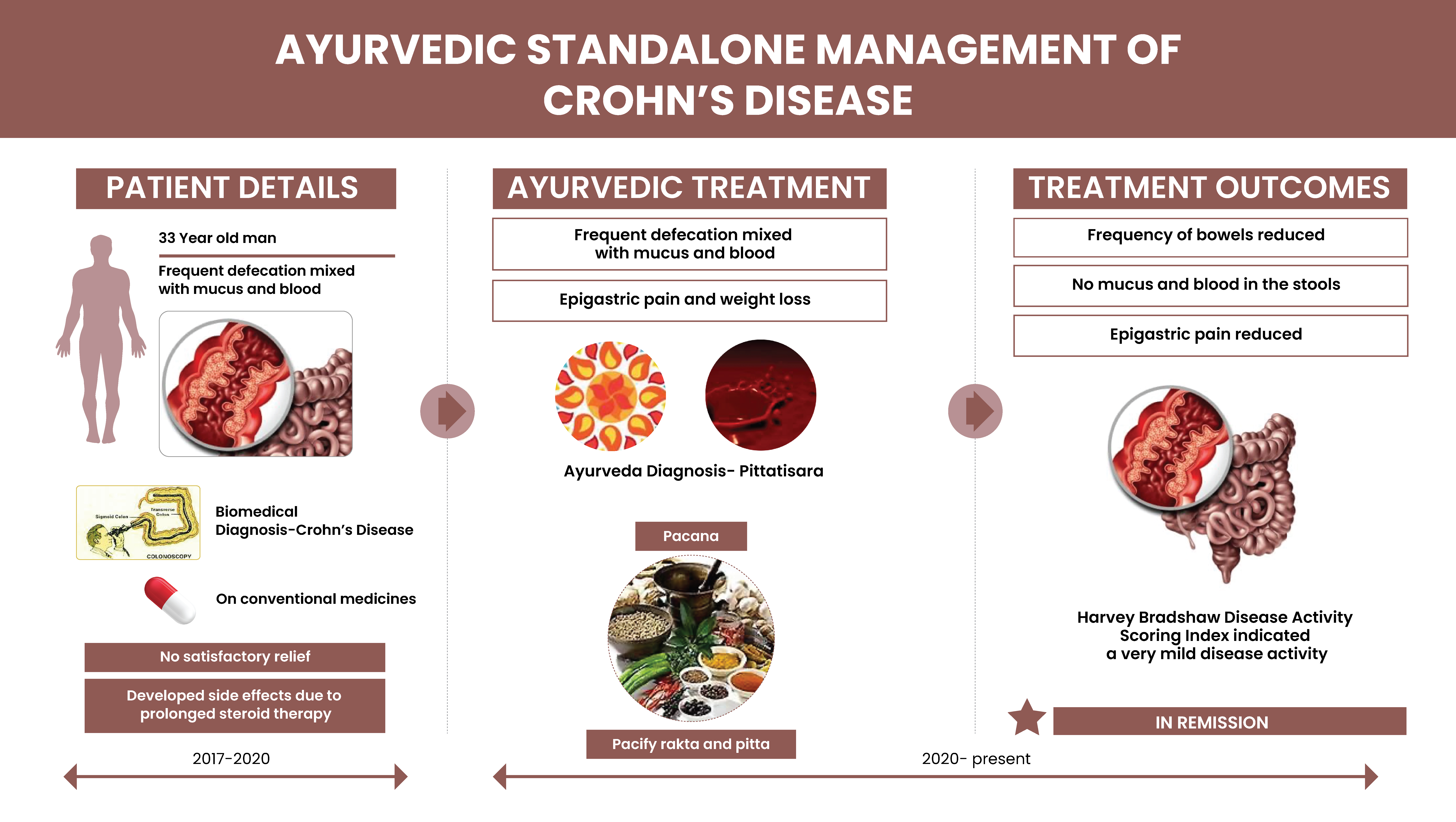
A 33-year-old male patient, an Ayurveda graduate from Bengaluru, was suffering with frequent watery stools with mucus and blood. He was diagnosed with Crohn’s disease. The biomedical diagnosis was confirmed with Ileocolonoscopy and biopsy. He had tried conventional medicines prescribed by different doctors over a period of two years but did not get significant relief. So, he decided to try Ayurveda and consulted Dr S N Gupta. The presenting complaints were frequent bowels, defecation with mucus and blood, burning sensation in the chest, pain in the epigastric region, along with disturbed sleep and weight loss since the last three years. He had also developed side effects like back pain due to osteoporosis because of the steroid therapy that he had been taking. This condition was diagnosed as Pittatisara- advanced stage and the treatment targeted pacifying rakta and pitta, along with vrana ropana and dipana karma. At the time of hospitalization, the patient was taking medicines like Tab. Mesacol (1.2 gram) twice a day, Cap. Pentoprazole one tablet per day, Tab. Clonotril plus (Clonazepam + Escitalopram) once a day. All these medicines were stopped after one week of Ayurvedic treatment and the patient got complete relief from his symptoms after the treatment. The Harvey Bradshaw scoring done by the patient in January 2022, indicated that he is in remission. Patient is still continuing Ayurvedic medicines, strictly adhering to the diet and lifestyle as prescribed.
This case report portrays the successful management of a chronic condition like ulcerative colitis, that was not responding to trying 2 years of conventional medicine.
-
Summaries
-
Listen
-
Watch
-
View
-
Read
A 33-year-old male patient, an Ayurveda graduate from Bengaluru, was suffering with frequent watery stools with mucus and blood. He was diagnosed with Crohn’s disease. The biomedical diagnosis was confirmed with Ileocolonoscopy and biopsy. He had tried conventional medicines prescribed by different doctors over a period of two years but did not get significant relief. So, he decided to try Ayurveda and consulted Dr S N Gupta. The presenting complaints were frequent bowels, defecation with mucus and blood, burning sensation in the chest, pain in the epigastric region, along with disturbed sleep and weight loss since the last three years. He had also developed side effects like back pain due to osteoporosis because of the steroid therapy that he had been taking. This condition was diagnosed as Pittatisara- advanced stage and the treatment targeted pacifying rakta and pitta, along with vrana ropana and dipana karma. At the time of hospitalization, the patient was taking medicines like Tab. Mesacol (1.2 gram) twice a day, Cap. Pentoprazole one tablet per day, Tab. Clonotril plus (Clonazepam + Escitalopram) once a day. All these medicines were stopped after one week of Ayurvedic treatment and the patient got complete relief from his symptoms after the treatment. The Harvey Bradshaw scoring done by the patient in January 2022, indicated that he is in remission. Patient is still continuing Ayurvedic medicines, strictly adhering to the diet and lifestyle as prescribed.
This case report portrays the successful management of a chronic condition like ulcerative colitis with Ayurvedic treatments.
-
-
Timeline
-
Tabulated Summary
-
Narrative
TITLE OF CASE
Standalone Ayurvedic management of a chronic case of Crohn's disease
Dr SN Gupta, Dr Pankaj Chayyani
ABSTRACT
A 33-year-old male patient, an Ayurveda graduate from Bengaluru, was diagnosed with Crohns disease. The biomedical diagnosis was made with Ileocolonoscopy and biopsy. He had tried conventional medicines prescribed by different doctors over a period of 2 years but did not get significant relief. So, decided to try Ayurveda and consulted Dr S N Gupta. The presenting complaints were frequent defecation with mucus and blood, burning sensation in the chest, pain in epigastric region, disturbed sleep and weight loss since last 3 years. He had also developed side effects like back pain due to osteoporosis because of steroid therapy that he had been taking. This condition was diagnosed as Pittatisara (advanced stage) and the treatment targeted pacifying rakta and pitta, along with vrana ropana and dipana karma. At the time of hospitalization patient was taking medicines like Tab. Mesacol (1.2 gram) twice a day, Cap. Pentoprazole one tablet per day, Tab. Clonotril plus (Clonazepam + Escitalopram) once a day. All these medicines stopped after one week of Ayurvedic treatment. He got complete relief from his symptoms after the treatment. The Harvey Bradshaw scoring done by the patient in January 2022, indicated that he is in remission. Patient is continuing Ayurvedic medicines, strictly adhering to the diet and lifestyle as prescribed.
KEYWORDS
Standalone, Ayurveda, Crohn’s Disease, Pittatisara
INTRODUCTION
Inflammatory bowel diseases consist mainly Crohn’s disease and Ulcerative Colitis. Crohn’s disease is a chronic inflammatory bowel disease that affects the lining of the digestive tract particularly in ileum. Crohn’s disease sometimes causes life threatening complications. Patients of Crohn’s disease are usually prescribed medications such as steroid, anti-inflammatory drugs, immunosuppressive drugs, vitamins and antibiotics. Patients have to take lifelong medications. If these are not effective, a patient may require surgery. Additionally, patients with Crohn’s disease may need to receive regular screening for colorectal cancer due to increased risk.
PATIENT INFORMATION
Patient diagnosed with Crohn’s disease came to PD Patel Ayurveda hospital, Nadiad on 15th Feb 2021, with complaints of frequent defecation mixed with mucus and blood, burning sensation in chest, pain in epigastric region, disturbed sleep and weight loss since last 3 years.
Patient suffered from rheumatic fever at the age of 8 and he took penicillin for 10 years. Patient was addicted to alcohol and continued this for some time even after the onset of the disease.
Medical History: The patient was apparently healthy before September 2017. In September 2017, he started to suffer from abdominal pain, pain in anus, and frequent defecation with bleeding (3-4 times a day). He took medicines like Tab. Dicyclomin (antispasmodic), Tab Metrogyl and Tab Pentoprazole himself for initial five months. Not being satisfied with the response, he consulted a Surgeon and was diagnosed with Traveller diarrhoea and was prescribed Tab Rifagut (rifaximin) for 21 days. He did not get any relief. Patient tried prescriptions from 3-4 different Specialists but did not get any relief. He then decided to consult a Gastroenterologist in Vadodara in March 2018. Gastroenterologist did ileocolonoscopy and found multiple ulcers in transverse colon (23/3/2018) probably due to inflammatory bowel disorder. The Doctor prescribed probiotics and proton pump inhibitors for three months. Patient didn’t get any relief and repeat Ileocolonoscopy done revealed ulcers in transverse and descending colon (5/6/2018). Patient was prescribed Tab. Predmet, Tab. Omez and capsule Becosules for next 4 months. As he did not get any relief with these medications, he decided to consult a Gastroenterologist in Ahmedabad. In November 2018, he underwent biopsy on advice of the Gastroenterologist and Biopsy revealed ‘Patchy mild to focal moderate chronic active colitis with few lymphoid aggregates and mild architectural alteration’, Biopsy transverse colon (06/11/2018) confirmed Crohn’s disease. Patient was prescribed medicines like Tab. Suzo (1 gram) thrice a day, Tab. Wysolone (20) thrice a day, Tab.Sompraz (40) twice a day, Tab Azoran 1 twice a day. Patient continued the prescriptions from different Gastroenterologists for more two years. Repeat Biopsy revealed ‘patchy mild to focal moderate colitis with mild architectural alteration and few lymphoid aggregates-inflammatory bowel disease- Crohn’s disease with mild to moderate activity (19/9/2020). Now he developed side effects like back pain due to osteoporosis because of the steroid therapy. He approached Dr. Sanjay Kadalimmati, Principal at Ayurveda college, Bagalakot-Karnataka. Dr Sanjay advised the patient to consult at Nadiad Ayurveda hospital.
CLINICAL FINDINGS
He had 49-50 kg weight before getting the disease, after starting the allopathic medications, he gained 5 kg weight because of corticosteroids. Body constitution is basically thin.
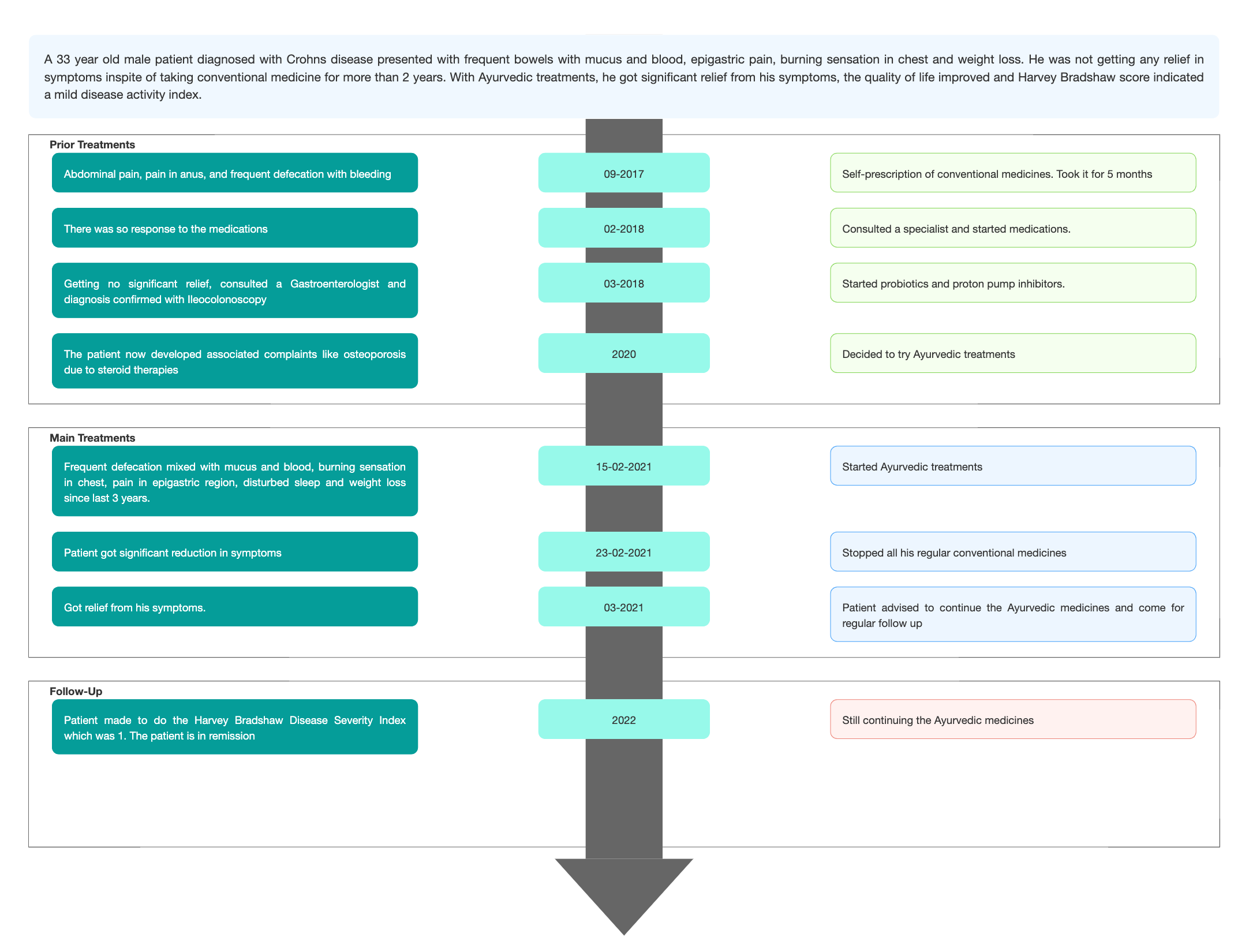
TIMELINE
Image 1. Timeline of events attached below
DIAGNOSTIC ASSESSMENT
Modern Diagnostic parameter: The Ileococlonoscopy was used as the Diagnostic parameter. Biopsy done further confirmed the findings.
Image 2. Baseline Imaging reports attached below
Ayurvedic Assessment was done based on the clinical evaluation by the ayurvedic physician, and the confirmed biomedical diagnosis.
Differential Diagnosis- This does not apply as the patient came in with a definite diagnosis.
Prognosis: Patients having a refractory medical disease, with complications (abscesses or malignancy) cannot be subjected to medical therapy. So generally, surgery is suggested. If the patients have obstructive symptoms but no inflammation, Anti-inflammatory medicines may not provide results and still might need surgery. This patient did not get any relief in spite of trying different prescriptions for conventional medicine for more than 2 years and with 3 weeks of In patient Ayurvedic treatments, he could stop all his conventional medicines, the quality of life improved and got relief from his symptoms. His Harvey Bradshaw score indicated a mild disease activity. As he is free of symptoms, for a long time now, it can be considered as remission.
THERAPEUTIC INTERVENTION
See the tab 'Treatment Details'
FOLLOW-UP AND OUTCOMES
FIRST FOLLOW-UP (26/03/2021)
The patient had moderate relief in all complaints. In clinical examination, the patient had to pass stool 1-2 times a day and sometimes black colour stool. Wt.- 46.7 kg
SECOND FOLLOW-UP (09/04/2021)
Stool frequency- 1-2 times per day and more black than previous with mucus. Wt- 46.3 kg. Back pain is present.
THIRD FOLLOW-UP (23/04/2021)
Stool frequency- 1-2 times per day and black colour with mucus. Wt- 46. kg. Back pain is present.
FOURTH FOLLOW-UP (07/05/2021)
Stool frequency- 1-2 times per day, yellowish brown in colour and but there is no mucus.
FIFTH FOLLOW-UP (04/06/2021)
Stool frequency- 1-2 times per day, yellowish brown in colour and there is no mucus.
SIXTH FOLLOW-UP (02/07/2021)
Stool frequency- 1-2 times per day, yellowish-brown in colour and there is no mucus. Wt.- 46.1 kg
SEVENTH FOLLOW-UP (16/07/2021)
Stool frequency- 1-2 times per day, yellowish brown in colour and there is no mucus. Wt.- 46 kg
EIGTH FOLLOW-UP (20/08/2021)
Stool frequency- 1-2 times per day, yellowish brown in color and there is no mucus. Wt.- 46.7 kg
NINETH FOLLOW-UP (06/09/2021)
Stool frequency- 2-3 times per day, yellowish-brown in colour, semisolid and there is no mucus.
TENTH FOLLOW-UP (04/10/2021)
Stool frequency- 2-3 times per day, yellowish brown in colour, semisolid and there is no mucus
ELEVENTH FOLLOW-UP (29/10/2021)
Stool frequency- 2-3 times per day, yellowish brown in colour, semisolid and no mucus, but there is mild abdominal pain.
TWELFTH FOLLOW-UP (10/12/2021)
Stool frequency- 2-3 times per day, yellowish brown in colour, is of a semisolid consistency and there is no mucus.
THIRTEENTH FOLLOW-UP (10/1/2022)
Stool frequency- 2-3 times per day, yellowish brown in colour, semisolid and no mucus. Wt.- 47.5 Kg
Clinician-based assessment: After taking treatment of three weeks, he got moderate relief, and all conventional medicines were stopped. After 21 days, patient had around 50% relief in all symptoms despite stopping his regular conventional medicines. Patient had good appetite, sleep, very less abdominal pain and reduction in the stool frequency with absence of blood. He is continuing ayurvedic medicines along with dietary restrictions till today.
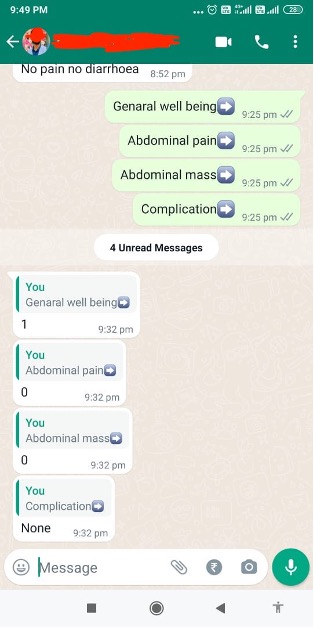
Patient-assessed: Harvey Bradshaw Scoring for Crohn’s Disease Severity was assessed. The questions were sent via WhatsApp and the patient sent back the response.
Image 4. Harvey Bradshaw Disease Severity Scoring Index attached below
Image 1. Timeline of events
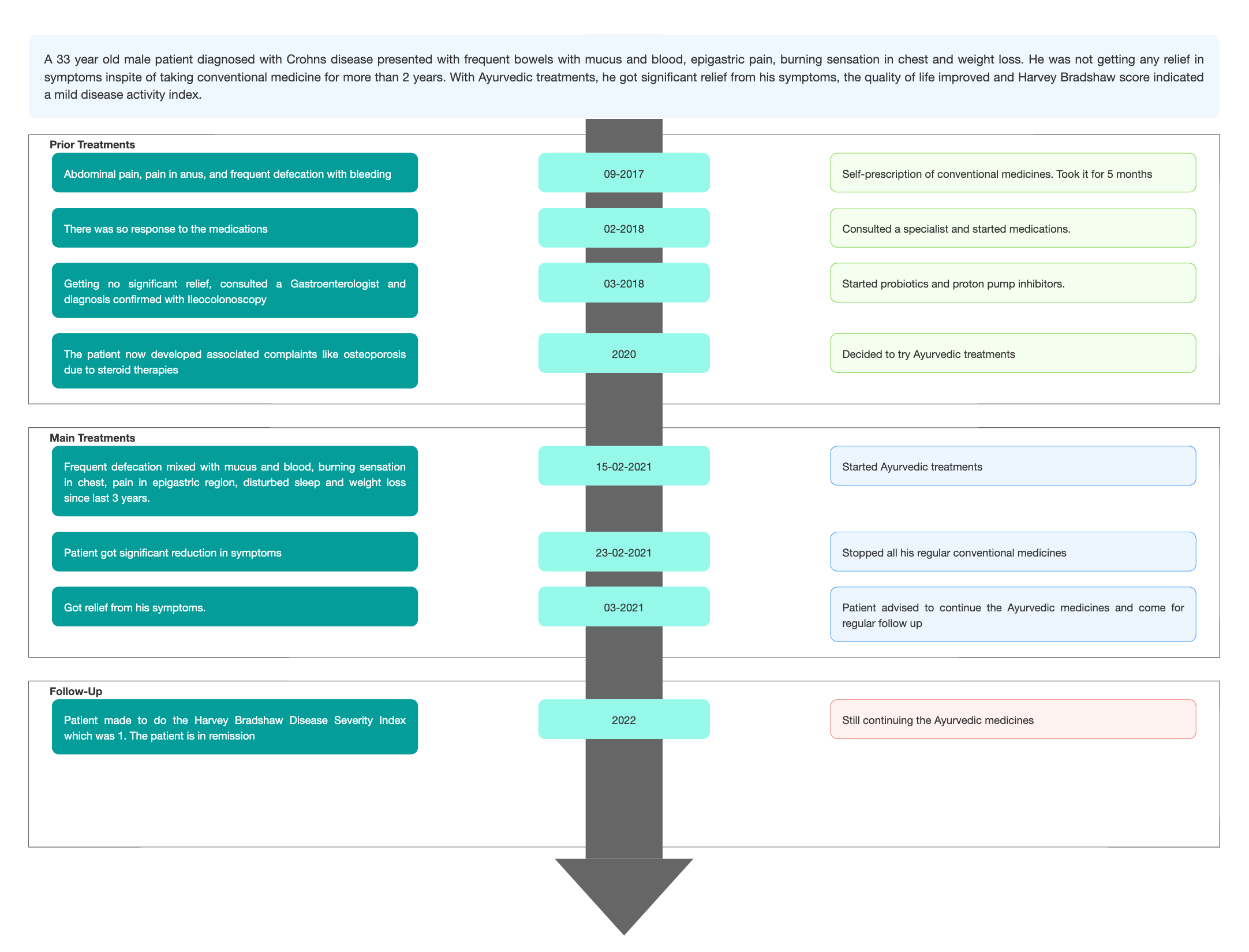
Image 2. Baseline Imaging reports attached below
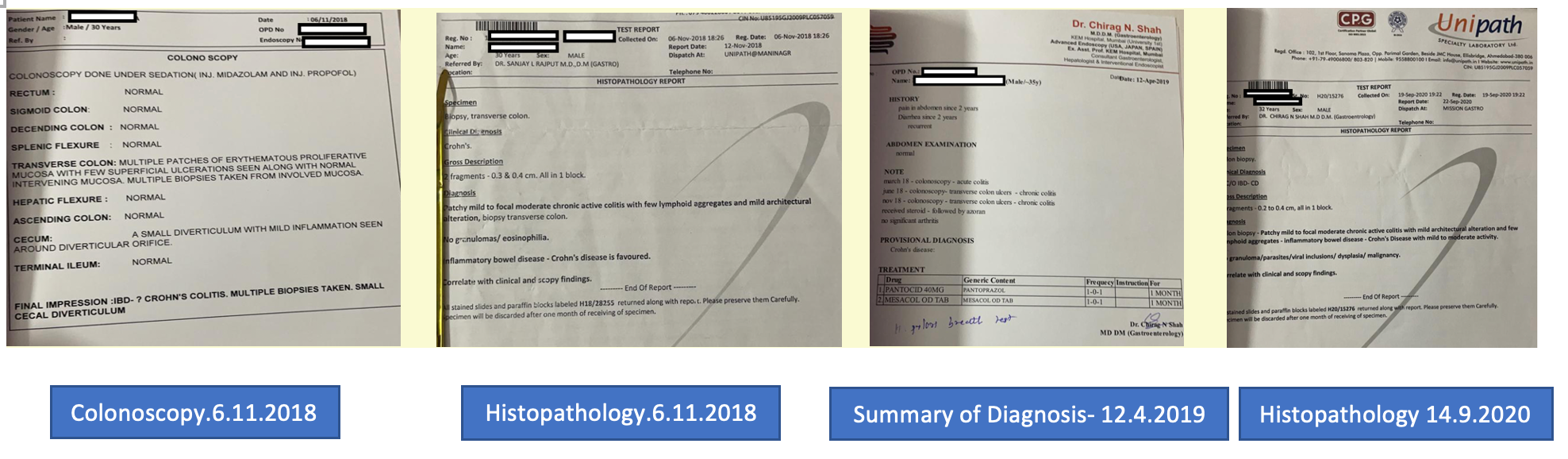
Image 3. Ileocolonoscopy dated September 2020
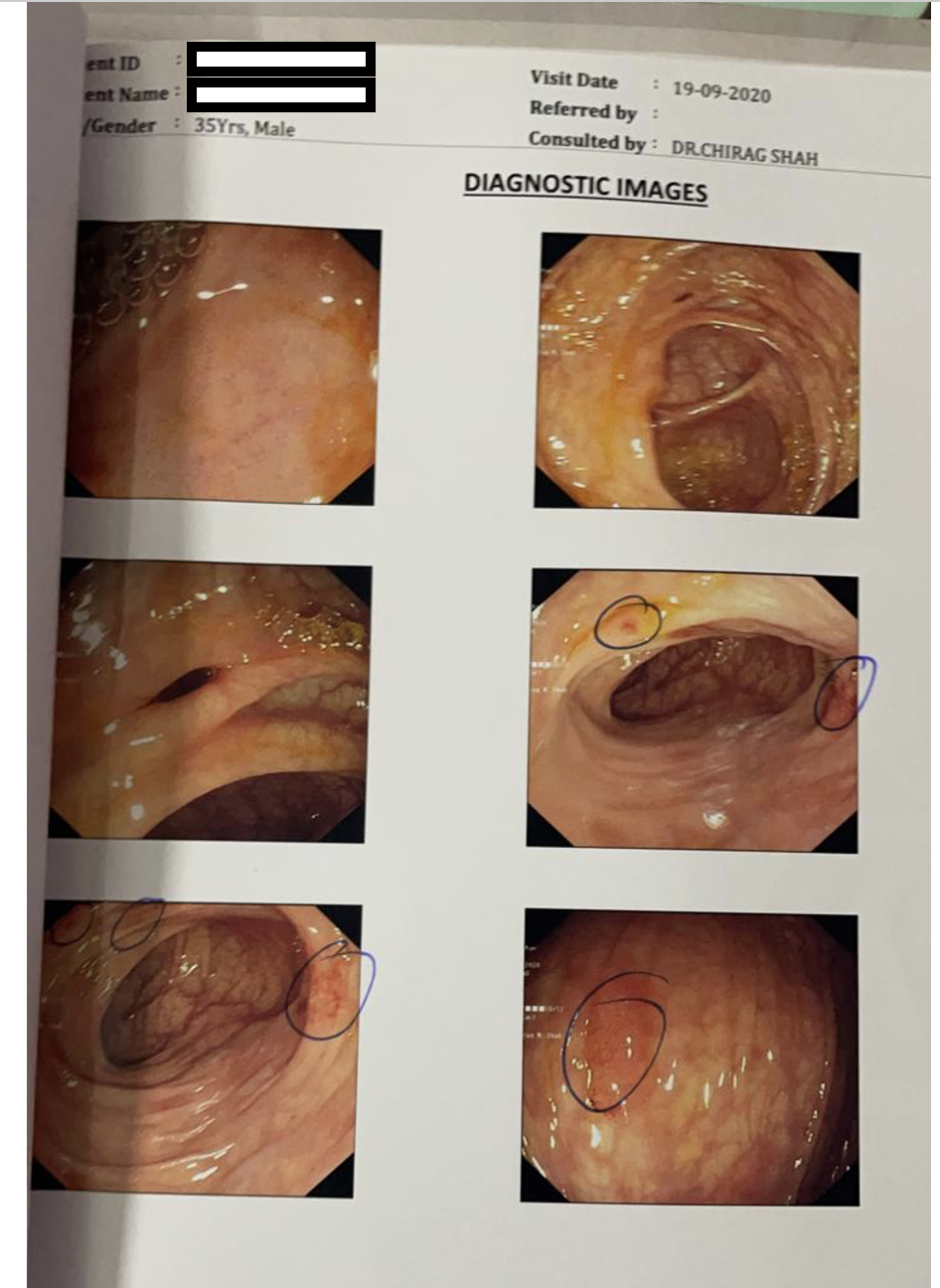
Image 4. Harvey Bradshaw Disease Severity Scoring Index (done via WhatsApp).
-
Immersive Learning
-
Modern Diagnosis
MODERN DIAGNOSIS: Crohn’s Disease
About the Disease:
Inflammatory bowel diseases consist mainly of Crohn’s disease and Ulcerative colitis. Crohn’s disease is a chronic inflammatory bowel disease that affects the lining of the digestive tract, particularly the ileum. Crohn’s disease sometimes causes life-threatening complications. Patients with Crohn’s disease are usually prescribed medications such as steroids, anti-inflammatory drugs, immunosuppressive drugs, vitamins, and antibiotics. Patients must take lifelong medications. If these are not effective, a patient may require surgery. Additionally, patients with Crohn’s disease may need to receive regular screening for colorectal cancer due to increased risk.
Prognosis- Patients having a refractory medical disease, with complications (abscesses or malignancy) that cannot be subjected to medical therapy, are suggested surgery. If the patients have obstructive symptoms but no inflammation, then they will not get relief with anti-inflammatory medicines and still might need surgery. In this case report, the patient’s diagnosis was confirmed with Ileocolonoscopy. He did not get any relief despite taking conventional medicine for more than 2 years and started suffering from the side effects due to steroid treatments. With Ayurvedic medication, the quality of life improved. After taking treatment for three weeks, he got moderate relief, all his regular conventional medicines were stopped after one week of starting Ayurvedic medicines. After 21 days, the patient had around 50% relief in all symptoms despite stopping his conventional medicines. The patient had a good appetite, and sleep, very less abdominal pain and a reduction in stool frequency with the absence of blood. He has been taking Ayurvedic medicines with all dietary regimens till today and he is now free from all symptoms. His Harvey Bradshaw score indicated a remission, in the latest follow up done in 2022.
Treatment: The main target is to bring down the inflammation, prevent flare-ups, and maintain remission. Though there is no definitive cure for this condition, the symptoms can be managed with medicines, diet and lifestyle. Aminosalicylates, corticosteroids, immunomodulators, biological therapies etc are available as treatment options.
Diagnostic parameters: Clinical evaluation and Colonoscopy are the basic protocols to confirm the diagnosis. In this patient, reports confirming the diagnosis from 2017 are available. Imaging was the primary diagnostic criteria used in this patient.
Image 1. Baseline Reports
Image 2. Image dated 2020
-
Ayurveda Diagnosis
AYURVEDIC DIAGNOSIS: Pittatisara (advanced stage)
About the Disease: Ati means ‘excess’ and sara means ‘flow’. Therefore Atisara can be understood as a clinical condition where there are frequent watery stools through the guda. Acarya Caraka has enumerated 6 types of atisara: vataja, pittaja, kaphaja, sannipataja, bhayaja and shokaja. Susruta has mentioned a specific type called Amatisara. Madhava Nidana and Sharngadhara have added Raktaja as a type of Atisara. Bhavaprakasha classifies Atisara based on avastha- amavastha, pakvavastha and raktavastha. Though across the texts there are different types mentioned, the derangement of Agni is mentioned as the basic causative factor for Atisara. Here in this patient, depending upon the presenting complaints of frequent watery stools and associated complaints like burning sensation in the chest, and blood in stools, this has been diagnosed as Pittatisara.
Lakshana
सरत्यतीवतिसार्यते ……excess watery stools
व्याधिं घोरं……..a very grave disease.
This patient presented with symptoms like frequent defecation mixed with mucus and blood, burning sensation in the chest, pain in the epigastric region, disturbed sleep and weight loss over the last 3 years. The presenting complaints were more indicative of pitta aggravation.
Ayurvedic Assessment and Diagnosis in this case report; This patient is a confirmed case of Crohn’s Disease. Based on the Lakshana, an Ayurvedic diagnosis was made.
Prognosis- The classical text mentions specific symptoms pertaining to the appearance of the stools to understand the prognosis. If the colour of the stool resembles clarified butter, fat, oil, goat’s milk, honey, manjishtha, brain-matter, or Rasanjana, or if the stool is cold or hot to the touch, or if it is charged with a fleshy or fetid smell, or marked with lines or specks of variegated colors, or if it looks like pus or clay,then the prognosis is bad, especially if the patient is weak. When there are associated symptoms like stricture of the anus or the distention of the abdomen, then the prognosis is very grave. This can be categorised as a krcchrasadhya vyadhi, provided there are no complications or involvement of dhatus.
-
Treatment
Name of Medicine Dosage Form Dosage Mode of Administrtation From - To (Date) Medicine Reference Lodhra Curnam + Musta Curnam Curnam 2 gms each Mixed together, with warm water twice daily before meals 2021-02-22 - 2022-12-31 Anubhuta Yogam Udumbara Kvatha Kvatha 40 ml Mixed with luke warm water, twice daily on empty stomach 2021-02-22 - 2022-12-31 CS.Si.8.36 Udumbara Kvatha Kvatha Vasti Rectal, 2021-02-22 - 2022-12-31 Anubhuta Yogam Kutajaghana Vati Vati 3-3-3 Oral, with warm water before meals 2021-02-22 - 2022-12-31 AFI. Part 1 Vatsakadi Vati Vati 2-0-2 Oral, with warm water before food 2021-02-22 - 2022-12-31 Bhaishajya Ratnavali.Atisara Cikitsa.26 Shatavari Ghrta Ghrtam 20 ml Twice a day, before meal 2021-02-22 - 2022-12-31 CS.Ci.19.98 Shatapushpa Curna Curnam 3 gms Oral with warm water, twice a day 2021-02-22 - 2022-12-31 Anubhuta Yogam -
Outcome Measures
OUTCOMES MEASURE
The patient, was suffering from Crohn’s Disease since 3 years. The presenting complaints were epigastric pain, burning sensation in the chest, frequent defecation with mucus and blood for 3 years. He tried conventional medicines like e Tab. Mesacol (1.2 gram) twice a day, Cap. Pentoprazole one tablet per day, Tab. Clonotril plus (Clonazepam + Escitalopram) once a day, which was prescribed by his Gastroenterologist. The symptoms persisted and the patient was not satisfied. He was developing side effects like backache due to prolonged intake of steroids. At the time of admission for Ayurvedic treatments, he was still taking conventional medicines, but these medicines could be stopped after one week of starting Ayurvedic medications.
After 21 days of IP treatment, the patient had around 50% relief in all symptoms despite stopping his conventional medicines. The patient had a good appetite and sleep, very less abdominal pain, and a reduction in stool frequency with the absence of blood. He is continuing the Ayurvedic medicines adhering to the dietary regimens till today and he is now free from all symptoms.
Post-treatment and follow-up — The patient was made to do the Crohn’s disease severity scoring- Harvey Bradshaw Index. The score indicated a very minimal disease activity. As the patient has been free from symptoms since a long time now, the patient is said to be in Remission.
Date-wise Observation chart during IP treatment (22.2.21- 14.3.21)
Date
Frequency of stool
Associated features
22/2/2021
Twice a day, with mucus and black in color
Abdominal pain, burning in chest pain in anal region, disturbed sleep
23/2/2021
Once a day with mucus and black in color
Abdominal pain, burning in chest pain in anal region, disturbed sleep
24/2/2021
Once a day with mucus and black in color
Abdominal pain, burning in chest pain in anal region, disturbed sleep
25/2/2021
Once a day with mucus and black in color
Abdominal pain, burning in chest pain in anal region, disturbed sleep
26/2/2021
Once a day with mucus and black in color
Decreased Abdominal pain, burning in chest pain in anal region, improvement in sleep
27/2/2021
Once a day with mucus and black in color
Decreased Abdominal pain, burning in chest pain in anal region, improvement in sleep
28/2/2021
Once a day with mucus and black in color
Decreased Abdominal pain, pain in anal region, improvement in sleep
1/3/2021
Once a day with less mucus and black in color
Frequency of abdominal pain decreased significantly, pain in anal region, improvement in sleep
2/3/2021
Once a day with less mucus and less black than previous
Very less abdominal pain and pain on anal region. significant improvement in sleep
3/3/2021
Four times a day with less mucus and increased black color than previous day
Very less abdominal pain and pain on anal region. significant improvement in sleep
4/3/2021
Two times a day with less mucus and less black than previous day
Pain in anal region and burning in chest. Adequate and sound sleep
5/3/2021
Two times a day with less mucus and less black
Pain in anal region and burning in chest. Adequate and sound sleep
6/3/2021
Once a day with less mucus and normal color
Improvement in Pain in anal region and burning in chest. Adequate and sound sleep
7/3/2021
Once a day with less mucus and normal color
Improvement in Pain in anal region and burning in chest. Adequate and sound sleep
8/3/2021
Twice a day with less mucus and normal color
Mild pain in abdomen, Improvement in Pain in anal region and burning in chest. Adequate and sound sleep
9/3/2021
Once a day with less mucus and normal color
Mild pain in abdomen, Improvement in Pain in anal region and burning in chest. Adequate and sound sleep
10/3/2021
Three times a day with less mucus and normal color
Mild pain in abdomen and Pain in anal region and burning in chest. Adequate and sound sleep
11/3/2021
Once a day with less mucus and normal color
Mild pain in abdomen, Improvement in Pain in anal region and burning in chest. Adequate and sound sleep
12/3/2021
Once a day with less mucus and normal color
Mild pain in abdomen, Improvement in Pain in anal region and burning in chest. Adequate and sound sleep
13/3/2021
Once a day with less mucus and normal color
Mild pain in abdomen, Improvement in Pain in anal region and burning in chest. Adequate and sound sleep
14/3/2021
Once a day with less mucus and normal color
Mild pain in abdomen, Improvement in Pain in anal region and burning in chest. Adequate and sound sleep
(As recorded by the Physician)
FOLLOW UP OBSERVATIONS
FIRST FOLLOW-UP (26/03/2021)
The patient had moderate relief in all complaints. In clinical examination, the patient had to pass stool 1-2 times a day and sometimes black color stool. Wt.- 46.7 kg
2ND FOLLOW-UP (09/04/2021)
Stool frequency- 1-2 times per day and more black than previous with mucus. Wt- 46.3 kg. Back pain is present.
3RD FOLLOW-UP (23/04/2021)
Stool frequency- 1-2 times per day and black color with mucus. Wt- 46. kg. Back pain is present.
4TH FOLLOW-UP (07/05/2021)
Stool frequency- 1-2 times per day, yellowish brown in color and but there is no mucus.
5TH FOLLOW-UP (04/06/2021)
Stool frequency- 1-2 times per day, yellowish brown in color and there is no mucus.
6TH FOLLOW-UP (02/07/2021)
Stool frequency- 1-2 times per day, yellowish-brown in color and there is no mucus. Wt.- 46.1 kg
7TH FOLLOW-UP (16/07/2021)
Stool frequency- 1-2 times per day, yellowish brown in color and there is no mucus. Wt.- 46 kg
8TH FOLLOW-UP (20/08/2021)
Stool frequency- 1-2 times per day, yellowish brown in color and there is no mucus. Wt.- 46.7 kg
9TH FOLLOW-UP (06/09/2021)
Stool frequency- 2-3 times per day, yellowish-brown in colour, semisolid and there is no mucus.
10TH FOLLOW-UP (04/10/2021)
Stool frequency- 2-3 times per day, yellowish brown in colour, semisolid and there is no mucus
11TH FOLLOW-UP (29/10/2021)
Stool frequency- 2-3 times per day, yellowish brown in colour, semisolid and no mucus, but there is mild abdominal pain.
12TH FOLLOW-UP (10/12/2021)
Stool frequency- 2-3 times per day, yellowish brown in colour, is of a semisolid consistency and there is no mucus.
13TH FOLLOW-UP (10/1/2022)
Stool frequency- 2-3 times per day, yellowish brown in colour, semisolid and no mucus. Wt.- 47.5 Kg
(Wt stands for weight)
Post treatment assessment
Harvey Bradshaw Disease Severity Scoring Index- 1 indicating the mild activity of the disease.
The patient was sent the questions via WhatsApp, and he replied by giving his score for the questions. As he has been free from symptoms for a long time now, the patient is said to be in Remission.
Disease Modifying Effect- In Remission. The patient is continuing Ayurvedic medications and following the diet restrictions as advised by the treating physician.
Image 1. Harvey Bradshaw Disease Severity Scoring done by the Patient via WhatsApp.
-