Featured Case
-
Abstract
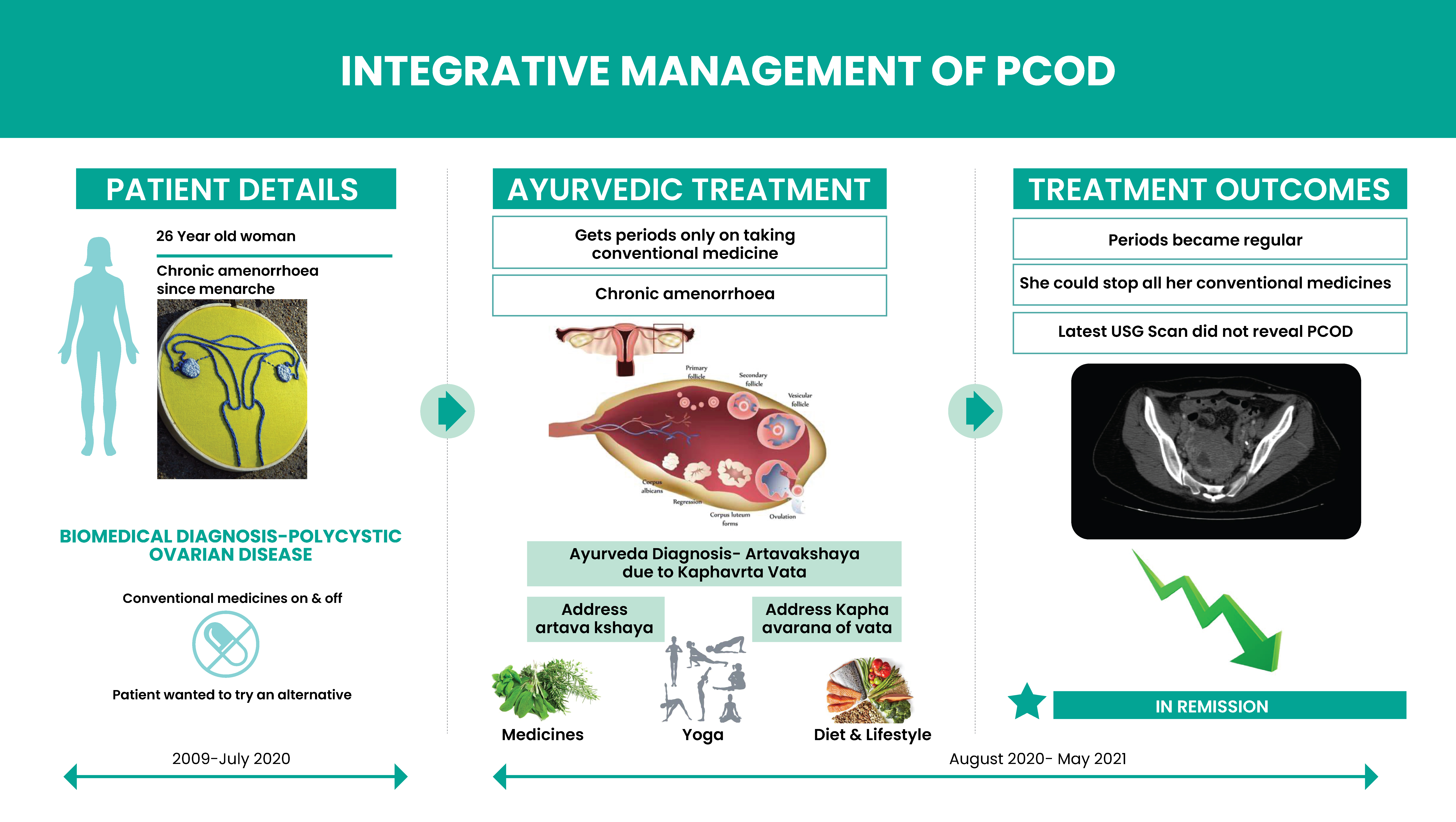
A 26-year-old female suffered from chronic amenorrhoea. She had irregular periods since her menarche, at the age of 13 and was constantly dependant on conventional medications for her periods. The USG done in 2012, confirmed PCOD. She was also developing associated symptoms like hair fall, weight gain, and skin discolouration in the face. She had tried prescriptions from different Gynaecologists, but only with medications, she got her periods. The patient is now married for 2 years and is planning for natural conception. She stopped all her conventional medicines and approached Dr Nutan Pakhare. This was diagnosed as Artavakshaya due to kapha avrta vata and the treatment targeted at pacifying the vata. Along with Ayurvedic medicines, Yoga, Diet and Lifestyle modifications were also adopted, to address the condition. With 9 months of Ayurvedic treatment, periods became regular, and the follow up scan did not detect PCOD. Hb level improved, and there was a reduction in the associated complaints of skin discolouration in the face and hair fall.
This case report is an example of the successful management of chronic case of PCOD presenting with amenorrhoea with Ayurveda.
-
Summaries
-
Listen
-
Watch
-
View
-
Read
Dr Nutan Pakhare treats a chronic case of amenorrhoea in a 26 year old female, caused possibly due to her underlying condition PCOD and a traumatic trigger. This patient had irregular periods since her menarche. Though initially her periods normalised on their own, but at the age of 15, the tragic death of both her parents in a car accident, became the trigger for the amenorrhoea to set in again. Since then she was constantly on allopathic medications and is dependent on allopathic medicines for her periods. She was developing associated complaints of weight gain, skin discolouration on the face and hair fall. USG confirmed PCOD. The patient is now married for 2 years and is planning to have a family. She stopped all allopathic medicines and switched over to Ayurveda. She was diagnosed as Artavakshaya due to kaphavrta vata, and the treatment targeted pacifying vata. She is under Dr Nutan’s treatment since 7.8.20 and within 9 months of OP medicines, periods became regular- once in 2 months with a normal flow. She could stop her hormone tablets. After 9 months of Ayurvedic treatment, Follow up scan did not detect PCOD. Hb that was constantly 11 through many years became 12.8 for the first time. The patient is feeling energetic and happy. Skin discolouration on the face has become light. Hair fall has reduced.
-
-
Timeline
-
Tabulated Summary
-
Narrative
TITLE OF CASE
Integrative management of chronic PCOD with Ayurvedic medicines, Yoga and lifestyle management - A Case report
Dr Nutan Pakhare
ABSTRACT
A 26-year-old female suffered from chronic amenorrhoea. She had irregular periods since her menarche, at the age of 13 and was constantly dependant on conventional medications for her periods. The USG done in 2012, confirmed PCOD1. She was also developing associated symptoms like hair fall, weight gain, and skin discolouration in the face. She had tried prescriptions from different Gynaecologists, but only with medications, she got her periods. The patient is now married for 2 years and is planning for natural conception. She stopped all her conventional medicines and approached Dr Nutan Pakhare. This was diagnosed as Artavakshaya2 due to kapha avrta vata and the treatment targeted at pacifying the vata. Along with Ayurvedic medicines, Yoga, Diet and Lifestyle modifications were also adopted, to address the condition. With 9 months of Ayurvedic treatment, periods became regular, and the follow up scan did not detect PCOD. Hb level improved, and there was a reduction in the associated complaints of skin discolouration in the face and hair fall.
This case report is an example of the successful management of chronic case of PCOD presenting with amenorrhoea with Ayurveda.
KEYWORDS
Integrative, PCOD, Ayurveda, Yoga, Artavakshaya, Kapha avarana, Vata
INTRODUCTION
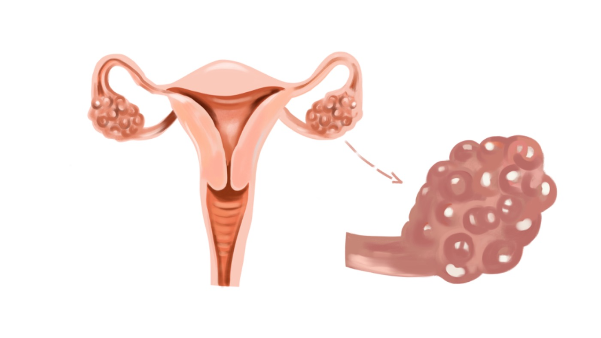
PCOD is Polycystic Ovarian Disease, which is caused mainly due to hormonal imbalance. In the human body, numerous hormones work together to ensure the complete and perfect functioning of the systems. When the hormones undergo an imbalance, then it results in PCOD. The symptoms are generally irregular periods, difficulty in conceiving, increase in weight, skin problems like discoloration and acne etc.., If not treated, this can further lead to other health problems like cardiac disease and diabetes. Sometimes this term is used synonymously with PCOS (polycystic ovarian syndrome) also. Diagnostic criteria: Is normally done with clinical evaluation. To identify the cause of the clinical condition, a scan may be advised. To assess the general health, blood parameters may be also additionally checked.
PATIENT INFORMATION
A 26-year-old female patient had scanty periods since Menarche. She tried Allopathic medications since 2012. Only on taking medicines, the periods would occur. On stopping medicines, there would be no periods at all. Associated complaints like hair fall, skin discolouration and weight gain persisted.
Medical History: She has been having scanty periods since menarche (at 14 years of age- 2009). On consultation, doctor said the reason was that she is very thin, gradually the problem will resolve by 1 year. She was prescribed only Iron tablets. The periods became regular, and bleeding was also normal. When she was 15years old, her parents had a tragic death by accident. Patient became extremely stressed and upset. The periods became irregular again. Sometimes she missed periods for months. She used to consult general physician and then take medicines for getting periods. If she stopped the medicines, the periods also stopped. Now her weight started increasing, she felt her metabolism was affected in general. Though provisional diagnosis was made in 2009, it was the Gynaec she consulted for the first time in 2012 (17 years old) diagnosed PCOD, confirmed with USG. Since then, she has consulted several gynaecologists, and tried different prescriptions on and off. On medication, periods would be regular. On stopping the medicines, the periods also would stop. She was getting irritated and decided to stop the allopathic medicines. She tried home remedies, but to no avail. Associated symptoms like hair fall, weight gain, skin discolouration persisted. USG scan constantly revealed PCOD (2012, 2013, 2016 and 2017). She is married for 2 years (2018) and was planning to conceive. She consulted Infertility Clinic in 19.1.2019 and started conventional medications. But to no avail. She wanted to get healthier before conceiving. So, she stopped all her allopathic medicines and decided to try Ayurvedic treatment for her PCOD, and to regularise her periods. Patient consulted the Doctor via Zoom on 7th August 2020. No comorbidities.
Family History: Uncle died of COVID. Parents died in her young age. Husband suffers from allergic cold and psoriasis.
Psychosocial History: Has a childhood trauma and shock over her parents’ death. At present, she is worried about her health as she is planning to conceive. And she is also worried about her husband’s health who is suffering from allergic cold and skin complaints.
PHYSICAL FINDINGS/CLINICAL FINDINGS
Online consultation (7.8.2020). So Routine Physical examination could not be done. Ht- 5.2, Wt- 71kg.
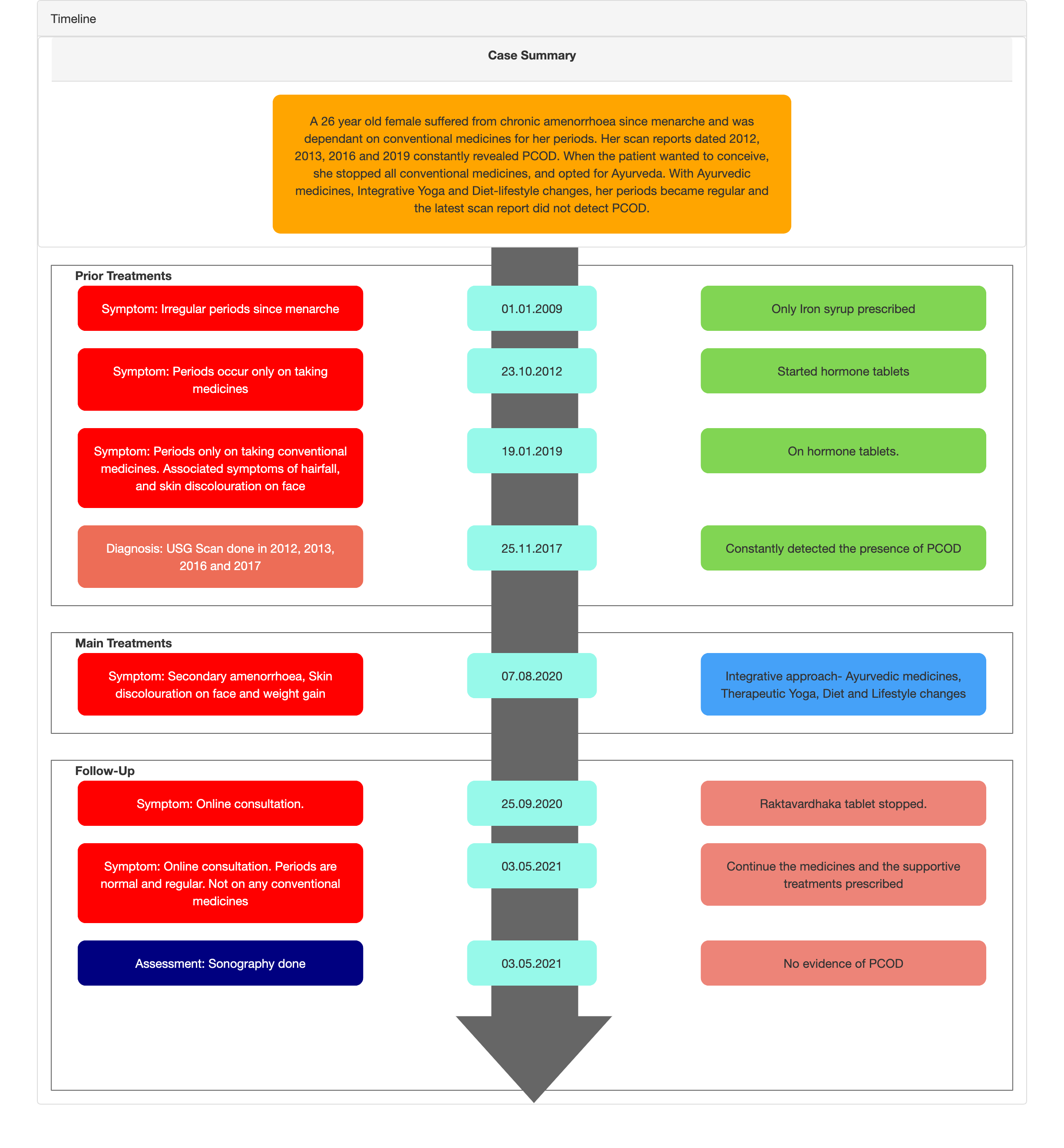
TIMELINE
Image 1. Attached below
DIAGNOSTIC ASSESSMENT
Modern Diagnostic parameter: The records available from the modern hospital confirm the diagnosis. The scan images confirming the presence of PCOD are available from 2012, 2013, 2016 and 2017.
Image 2. Scan reports 2012, 2013, attached below.
Image 3. Scan reports 2016, 2017, attached below.
Blood parameters: At Baseline, Hb and Prolactin were recorded.
Image 4. Prolactin 2019 and Haemoglobin 2016 and 2019 attached below.
Ayurvedic Assessment was done based on the clinical evaluation by the ayurvedic physician, and the confirmed diagnosis from the modern hospital.
Differential Diagnosis- This does not apply as the patient came in with a definite diagnosis.
Prognosis- Normally the underlying cause is assessed, and the respective medicines are given. Mostly they include hormone therapies and if required steroids. Here the lack of menstruation was due to the underlying PCOD, which did not resolve even with conventional therapies over several years. And she was scared that she might have difficulty in conceiving. Her trauma was also a trigger for the condition. So even the mental status of the patient had to be balanced.
THERAPEUTIC INTERVENTION
See the Tab 'Treatment Details'
FOLLOW-UP AND OUTCOMES
1. Follow Up- 25.9.2020. 2. Follow up- 8.5.2021. Subjective and Objective assessments were done. Symptoms had reduced. Stress and skin discolouration has considerably reduced. Wt- 70kgs.
Clinician-based assessment: Without the use of conventional medicine, after starting the ayurvedic medicines, the periods are regular- occurring once in 2 months. Blood flow is normal. The weight gain over years has become stable and showed a decrease of 1 kg at endpoint assessment. The patient was relieved of stress. The USG revealed absence of PCOD. She has completely stopped taking conventional medicine. For the first time, her Hb is recorded more than 12.
Patient-assessed: Not relevant
Follow up test results: The USG scan done after 9 months of ayurvedic treatment did not detect the presence of PCOD
Image 5. USG Scan Report dated May 2021 attached below
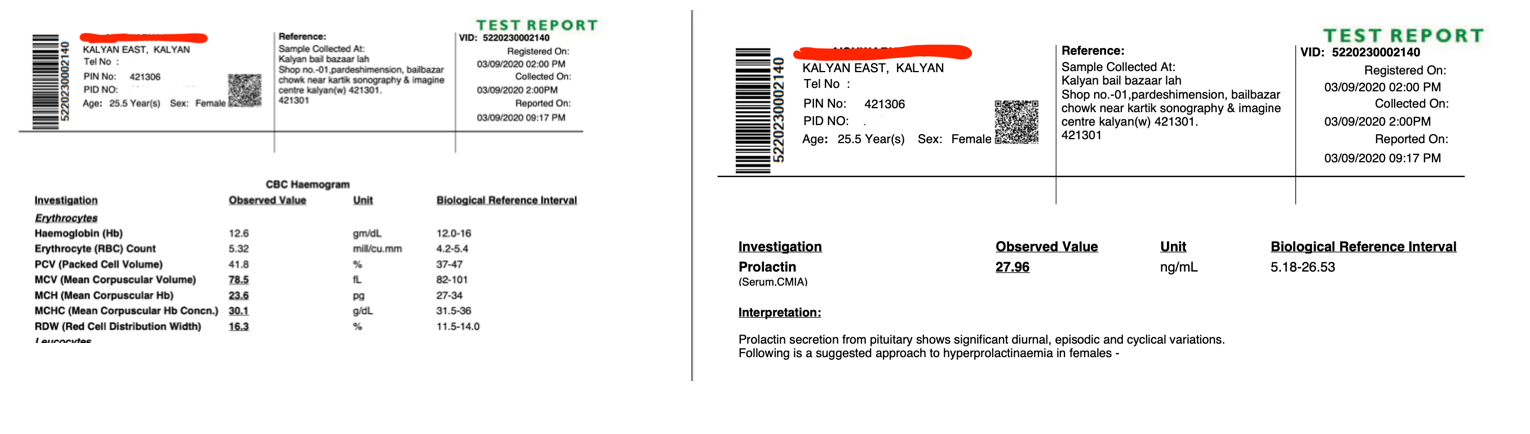
The Haemoglobin and the Prolactin levels showed a significant improvement after starting Ayurvedic Treatment.
Image 6. Blood Tests. Prolactin and Hemoglobin levels attached below.
Intervention adherence and tolerability – The patient adhered to the prescribed treatments and tolerated the treatments well.
Method of assessment- By monitoring the patient.
Adverse and unanticipated events: None reported
DISCUSSION:
The cause of the disease is a traumatic trigger. So, the physician had to target the symptoms that was troubling the patient, at the same time keep her distracted and emotionally stable. So internal medicines and external therapies were given to address the kapha avarana of vata, and therapeutic yoga, diet and lifestyle was scheduled to keep her busy and help attain the stability of mind.
PATIENT’S PERSPECTIVE
Not available.
LEARNING POINTS/TAKE-HOME MESSAGES
The chronic case of PCOD, presenting with secondary amenorrhea, got her periods only on taking conventional medicine; got relief from the condition with 9 months of Ayurvedic intervention supported with therapeutic Yoga practices and lifestyle changes. After starting Ayurvedic medicines, periods now occur once in two months with normal flow without taking any conventional medicine. Latest USG showed no evidence of PCOD. Weight is stable and HB value has increased marginally. Ayurvedic medicines can be tried as an alternative, to avoid taking hormonal tablets and also resolve the underlying causes like PCOD as in this patient.
INFORMED CONSENT
Written consent obtained from patient.
ACKNOWLEDGEMENTS
None.
CONFLICT OF INTEREST
None declared.
FUNDING
None
REFERENCE
- Bider D, Levran D, Mashiach S, Ben-Shlomo I, Dor J. Polycystic ovarian disease (PCOD)--pregnancy rate and outcome in in vitro fertilization. J Assist Reprod Genet. 1993 Jan;10(1):11-4. doi: 10.1007/BF01204434. PMID: 8499673.
- Anagha Ranade, Rabinarayan Acharya. Ayurvedic management of Artava kshaya w.s.r. polycystic ovarian syndrome – A critical review. Ayurpharm Int J Ayur Alli Sci. 2017;6(4):69-8
Image 1. Timeline
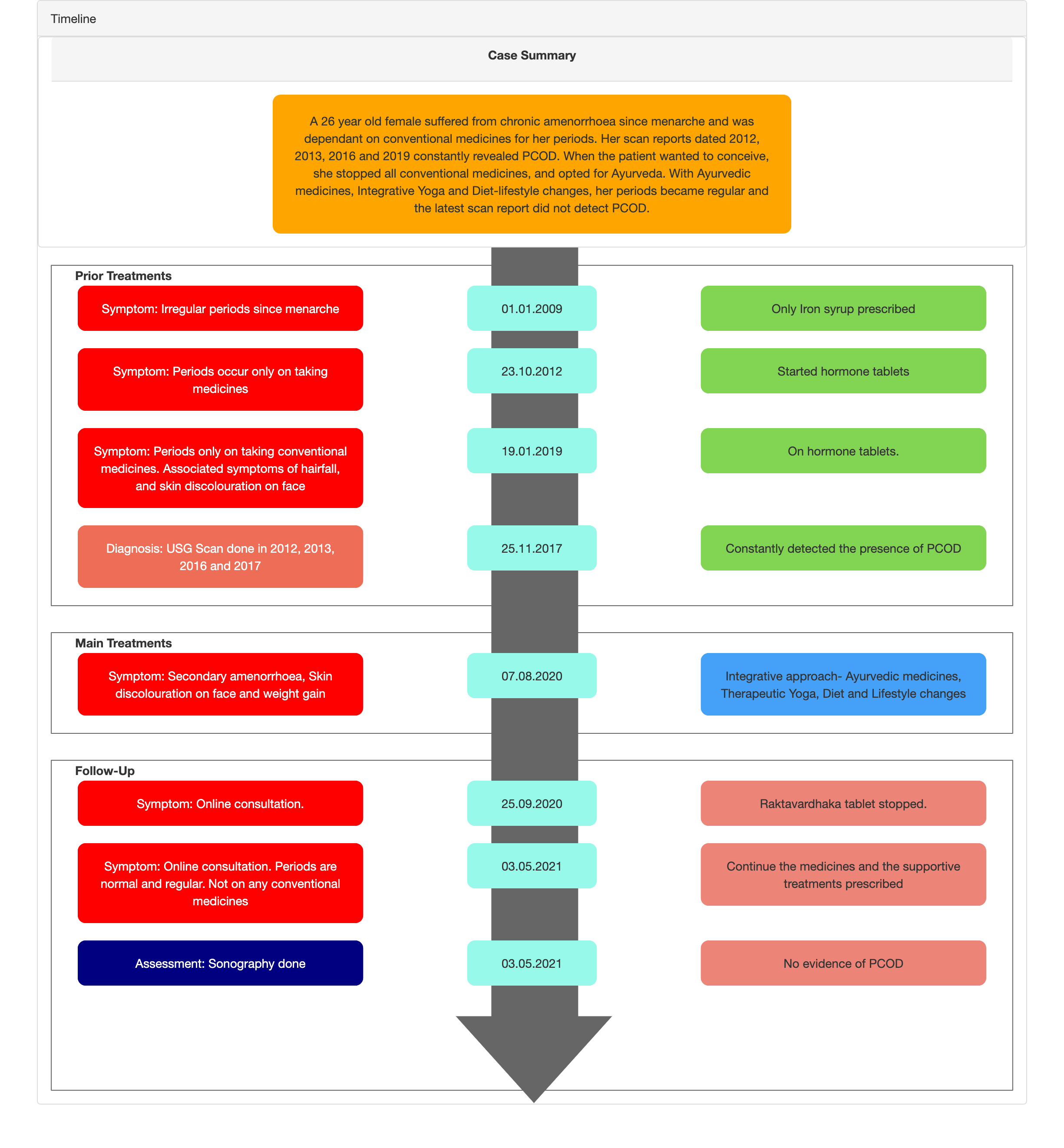 Image 2. Scan reports 2012, 2013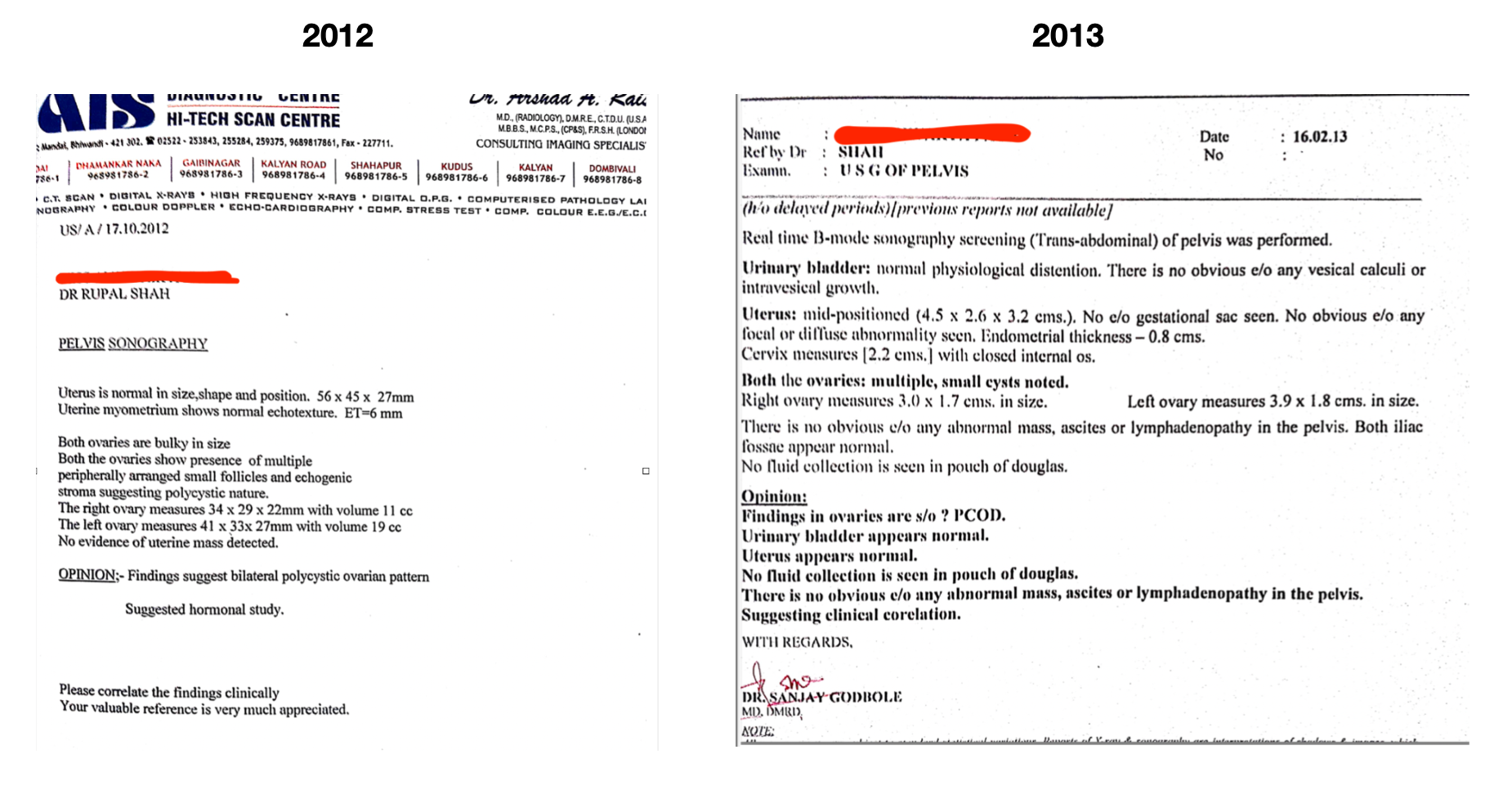
Image 3. Scan reports 2016, 2017
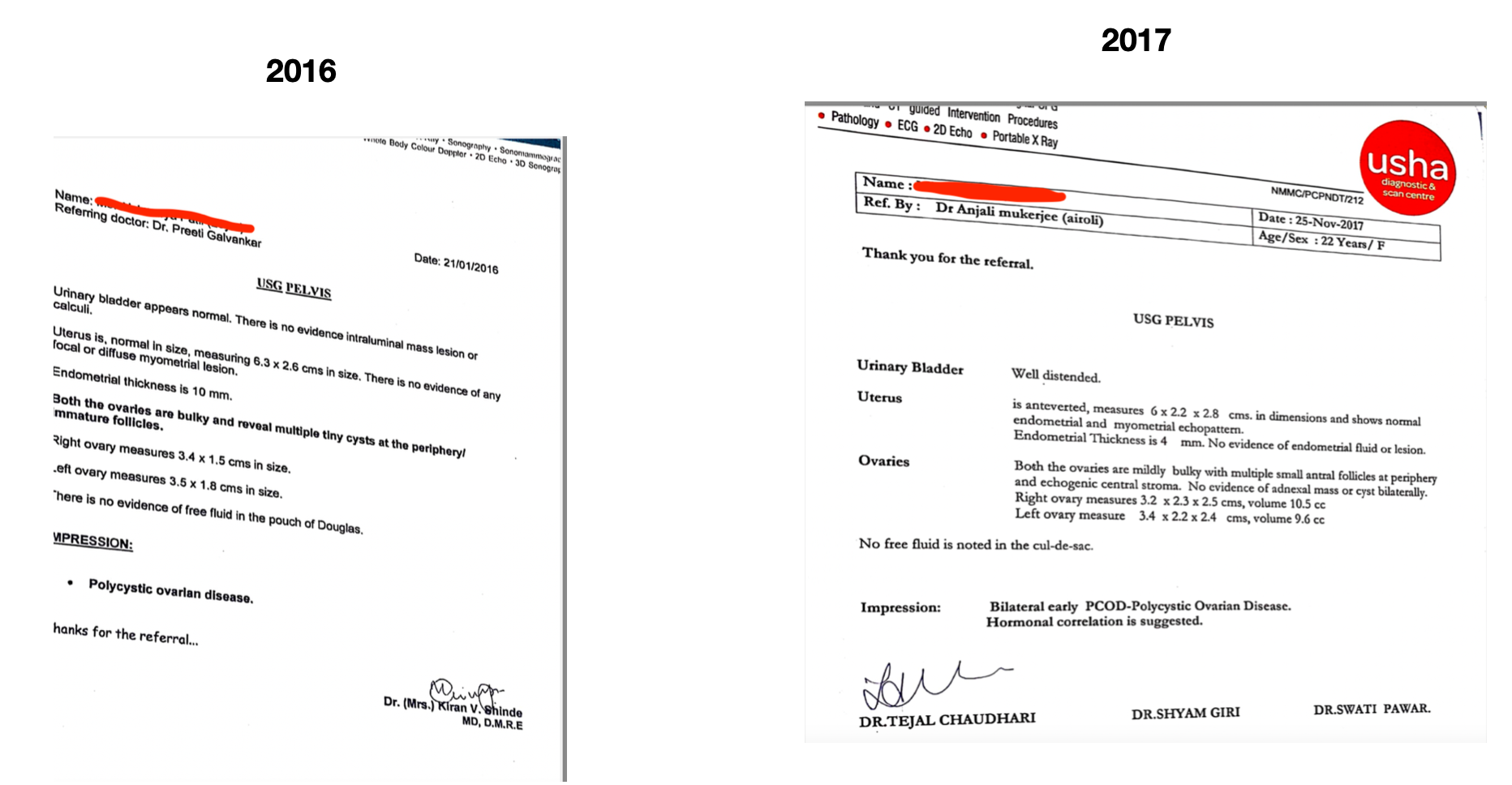
Image 4. Prolactin 2019 and Haemoglobin 2016 and 2019
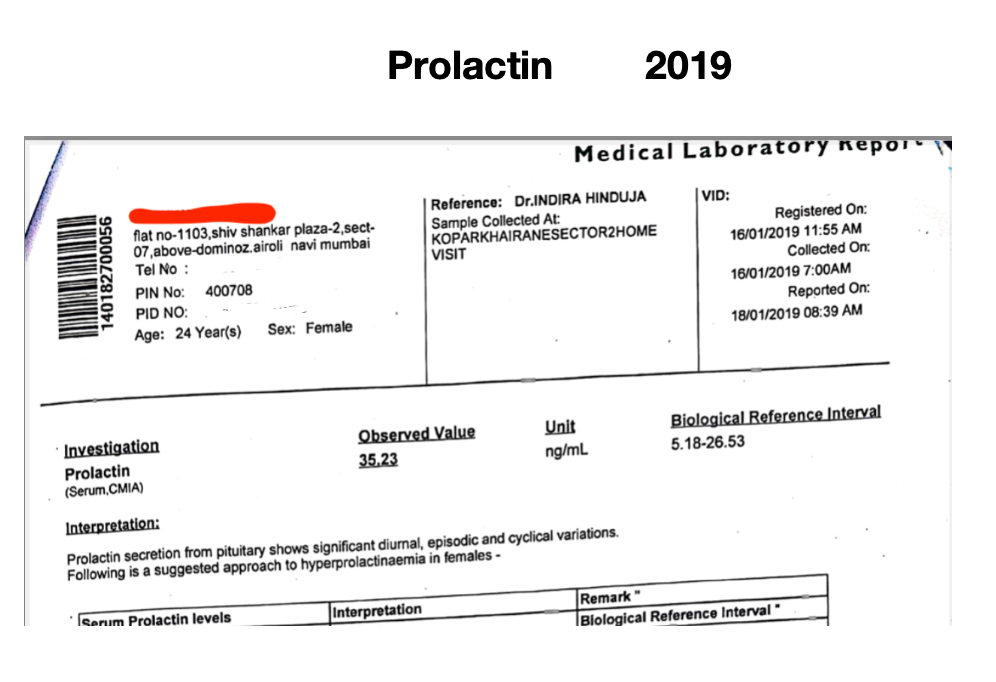
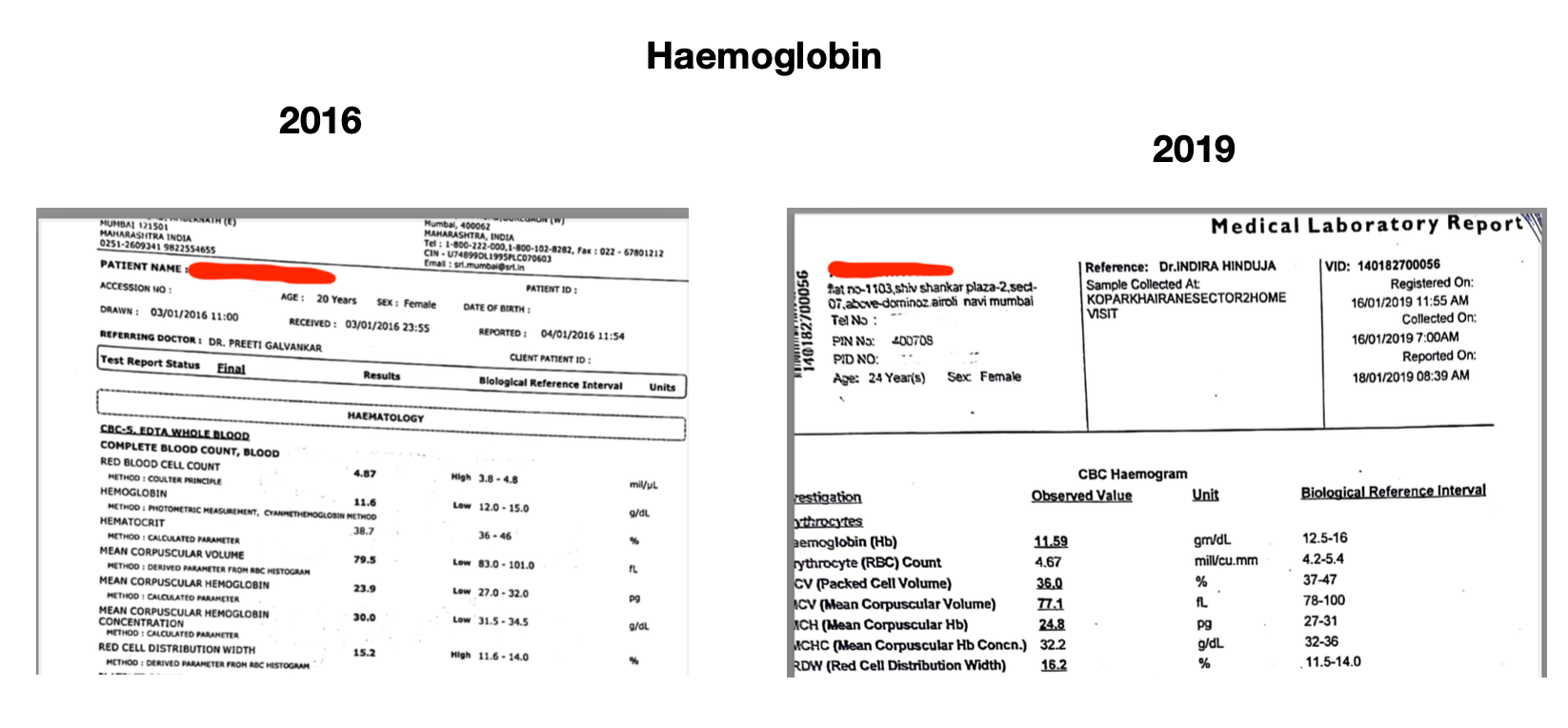
Image 5. USG Scan Report dated May 2021 - After Ayurvedic Treatment
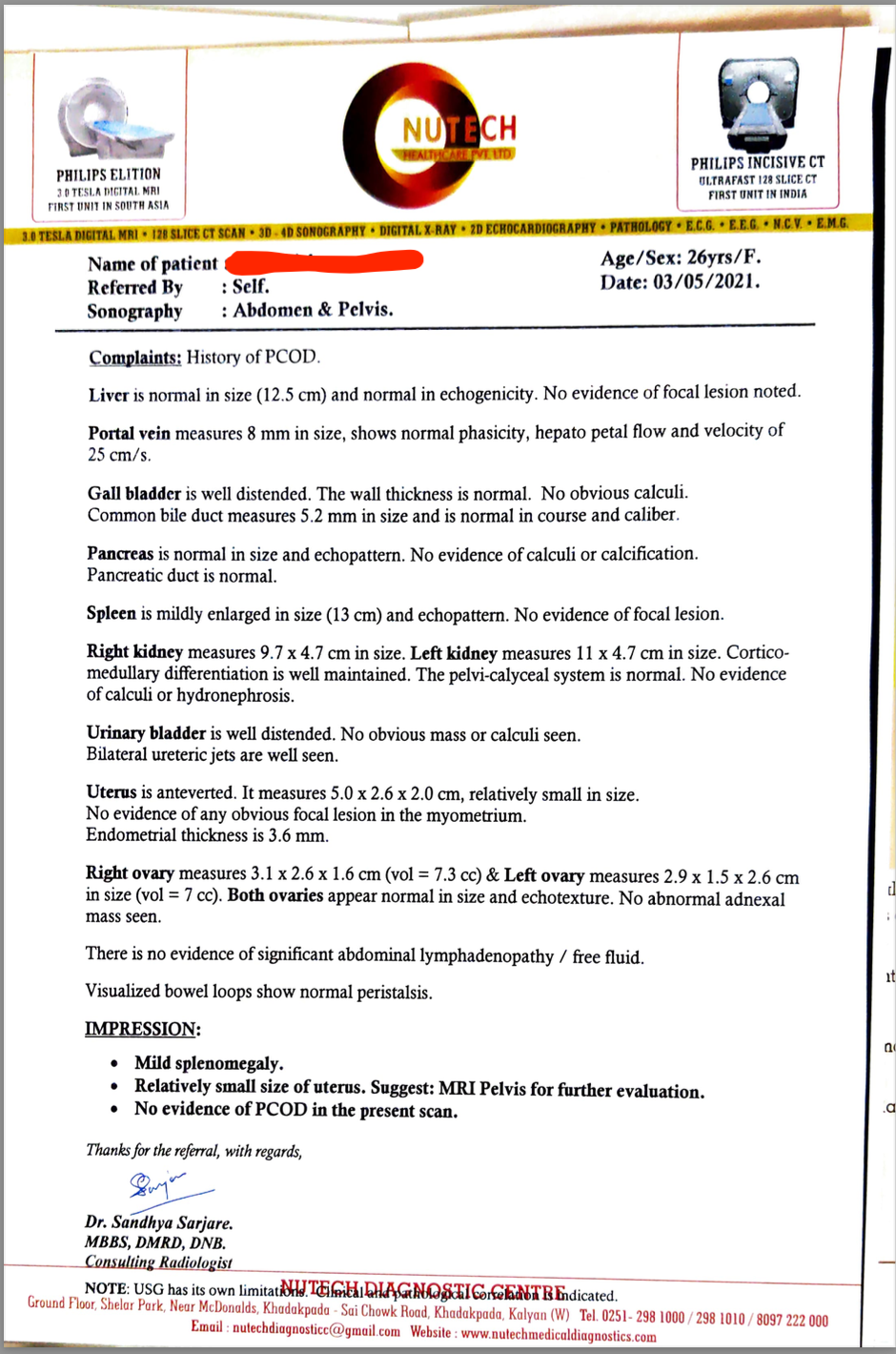
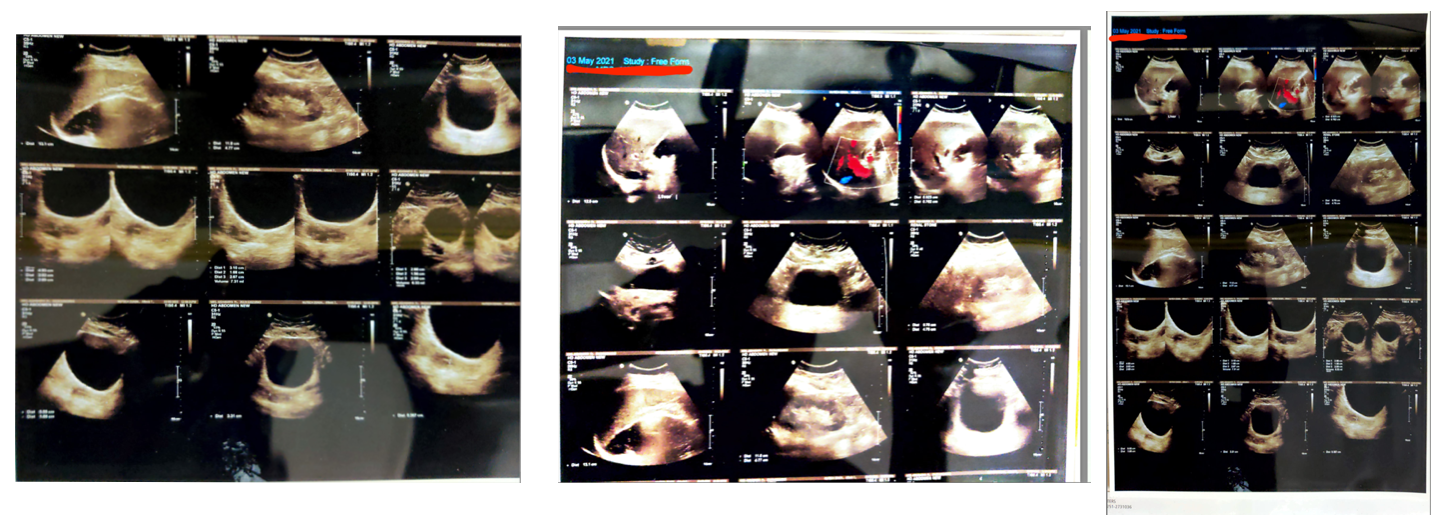
Image 6. Blood Tests. Prolactin and Hemoglobin levels. After starting Ayurvedic Treatment
-
Immersive Learning
-
Modern Diagnosis
MODERN DIAGNOSIS: Polycystic Ovarian Disease
ABOUT THE DISEASE:
PCOD is Polycystic Ovarian Disease, which is caused mainly due to hormonal imbalance. In the human body, numerous hormones work in together to ensure the complete and perfect functioning of the systems.
When the hormones undergo an imbalance, then it results in PCOD. The symptoms are generally irregular periods, difficulty conceiving, increase in weight, skin problems like discolouration and acne etc.., If not treated, this can further lead to other health problems like cardiac disease and diabetes. Sometimes this term is used synonymously with PCOS also.
In this 26-year-old female patient, her amenorrhoea persisted since menarche (2009 at the age of 14). Though initially it got corrected, a traumatic incident again led her back to having no periods at all. Though a provisional diagnosis was made in 2009, the USG confirmed PCOD as the cause in 2014. Until 2020, she tried different therapies from conventional doctors but to no avail.
Diagnostic criteria; Is normally done with clinical evaluation. To identify the cause of the clinical condition, a scan may be advised. To know the general idea of the body’s status, blood parameters may be also additionally checked.
In this patient, the clinical evaluation was the primary criteria along with supportive documents that confirmed the diagnosis with USG.
Image 1. Scan reports dated 2012 and 2013 attached below.
Image 2. Scan reports dated 2016 and 2017 attached below.
Image 3. Blood parameters at baseline attached below
Prognosis; Normally the underlying cause is assessed and the respective medicines are given. Mostly they include hormone therapies and if required steroids. Here the lack of menstruation was due to the underlying PCOD, which did not resolve even with conventional therapies over 11 years. And she was scared that she might have difficulty conceiving. Her trauma was also a trigger for the condition. So the mental affliction was also given due importance.
Image 1. Scan report 2012 and 2013
Image 2. Scan reports dated 2016 and 2017
Image 3. Blood parameters at baseline. Prolactin 2019
Haemoglobin 2016 and 2019
-
Ayurveda Diagnosis
AYURVEDIC DIAGNOSIS: Artavakshaya due to Kaphavarana of Vata.
ABOUT THE DISEASE:
Though the allopathic diagnosis is PCOD, here the Ayurvedic physician has made the diagnosis based on the presenting symptoms ie..Artava Kshaya and the samprapti is mentioned as Kaphavrta vata. So the treatments were planned likewise. In this patient, the cause of the disease is a traumatic trigger. So the physician had to target the symptoms that were troubling the patient, at the same time keep her distracted and emotionally stable. So internal medicines and external therapies were given to address the kapha avarana of vata, and therapeutic yoga, diet and lifestyle were scheduled to keep her busy and distracted. The patient was also upset that this clinical condition was going to keep her from having a family. In Ayurveda, artavakshaya can be attributed as “Yathochitakale artavasya adarshanam” [menstrual disturbance] “Alpatvam” [oligomenorrhea], “Yoni- vedana” [Pelvic discomfort]. According to Acharya Dalhana, Shodhana karma specifically vamana is preferred over virecana. Since virechana causes depletion of pitta which further decreases Artava while vamana removes soumya dhatu thereby increasing Agneyatva, thus helping to increase the Artava. Sushrutacharya also opines that the best line of treatment is shodhana karma. According to the classical texts, the causes of Artava kshaya are margavarodha and the dhatu kshaya. In marga avarodha janya artava kshaya, vata and kapha are involved. According to Caraka the vitiation of artava vaha srotas occurs mainly by sanga. This avarodha can be caused by Vata and Kapha together or as separate entities. According to Sushruta also, vata – kapha causes avarana of artava vaha srotas. Further, vitiation of tridosha leads to the artavavaha stroto dusti in terms of Artavakshaya (Alpapushpa Nastapuspa); and medo vriddhi can cause alpa prana, alpa beeja, and alpa maithuna.
-
Treatment
Name of Medicine Dosage Form Dosage Mode of Administrtation From - To (Date) Medicine Reference Raktavardhaka Tablet 2 Oral 2020-08-07 - 2020-09-24 Proprietary M2 Tablet 1 Oral, 2020-08-07 - 2021-05-03 Proprietary Liv Capsule 1 Oral, 2020-08-07 - 2020-09-24 Proprietary Tila Tailam Required Abhyangam; 2021-08-09 - 2021-08-19 Anubhuta Nirgundi or Nimba patra Fresh Drug Required quantity Boil in the water used for taking bath daily. 2020-08-09 - 2020-08-19 Anubhuta Yogam -
Outcome Measures
OUTCOME MEASURES;
Both subjective and objective parameters were used to assess the outcome in this patient.
In this 26-year-old female patient, her amenorrhoea persisted since menarche (2009 at the age of 14). Though initially it got corrected, a traumatic incident again led her back to having no periods at all. Though a provisional diagnosis was made in 2009, the USG confirmed PCOD as the cause in 2014. Until 2020, she tried different therapies from conventional doctors but to no avail.
Subjective parameters:
She started her Ayurvedic medicines in 2020, and after 9 months of medication, she could completely stop her allopathic medicines. Her associated complaints like facial skin discolouration, weight gain could be also addressed. Her periods were now regular- once in 2 months, and she was relieved of her stress and anxiety.
Table 1. Change in weight noted down (in patient’s words)
Date
Weight (in kgs)
BMI
23.10.12
47.6
10.12.12
49
30.12.15
62
11.7.16
64
Baseline
7.8.20
71 (Height 158.75)
28.2 (Over-weight)
Endpoint
8.5.21
70 (Height 158.75)
27.8 (Over-weight)
Objective parameters;
The USG scan done after 9 months of ayurvedic treatment did not detect the presence of PCOD.
Image 1. USG Scan after 9 months of AYurvedic Treatment did not detect the presence of PCOD. Attached below.
Image 2. Scan Images attached below
The Haemoglobin for the first time increased to 12, and her prolactin was also showing a downward trend.
Image 3. Blood parameters- Prolactin and Haemoglobin dated 3.9.2020. Attached below.
Image 1. USG Scan after 9 months of Ayurvedic Treatment did not detect the presence of PCOD.
Image 2. Scan Images
Image 3. Blood parameters- Prolactin and Haemoglobin dated 3.9.2020.
-