Featured Case
-
Abstract
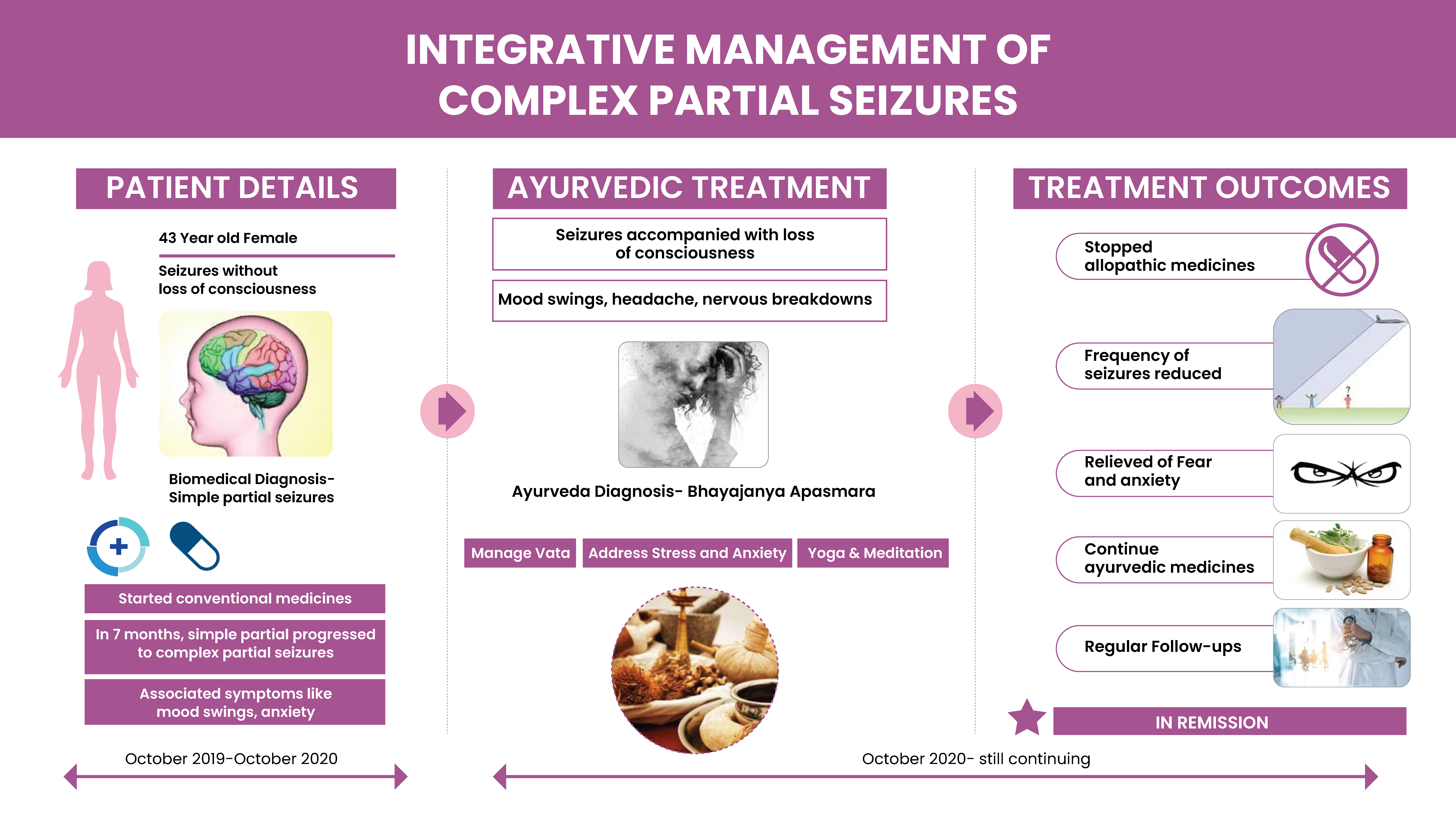
A 43-year-old female, was suffering from with frequent episodes of seizures without loss of consciousness. She was clinically diagnosed with Simple Partial Seizure, and started conventional medicines. In spite of this, the clinical condition progressed to Complex partial seizures over a period of 7 months. She developed associated symptoms like heavy mood swings, sleep disturbances, and headache, and so, she was prescribed psychiatric medicines. The patient was reluctant to take these medicines and opted for Ayurvedic management. The patient approached Dr Govind Narayanan, with the presenting complaints of seizures with blackouts. The episodes are prone to get triggered when there are emotional disturbances and close to her menstruation cycle. This was diagnosed as Bhayajanya Apasmara. The MRI Brain and EEG were normal, indicating that there was no major pathology, and it was more affliction at a mental level. With Ayurvedic management as an Out-Patient and two weeks of In-Patient treatment, there was a significant improvement in the quality of life. Her frequency of seizures, her fear and anxiety reduced to an extent that that she started travelling alone in a car and bus, which she could not do earlier. Her regular Anti-epileptic drugs could be reduced in dose gradually and stopped altogether after ten months of Ayurvedic treatments.
The take-away lesson from this case report is that an integrative approach with Ayurveda can help manage a clinical condition like Complex partial seizures, that which is progressive in nature and non responsivenon-responsive to the standard of care.
-
Summaries
-
Listen
-
Watch
-
View
-
Read
A 43-year-old female, was suffering from with frequent episodes of seizures without loss of consciousness. She was clinically diagnosed with Simple Partial Seizure, and started conventional medicines. In spite of this, the clinical condition progressed to Complex partial seizures over a period of 7 months. She developed associated symptoms like heavy mood swings, sleep disturbances, and headache, and so, she was prescribed psychiatric medicines. The patient was reluctant to take these medicines and opted for Ayurvedic management. The patient approached Dr Govind Narayanan, with the presenting complaints of seizures with blackouts. The episodes are prone to get triggered when there are emotional disturbances and close to her menstruation cycle. This was diagnosed as Bhayajanya Apasmara. The MRI Brain and EEG were normal, indicating that there was no major pathology, and it was more affliction at a mental level. With Ayurvedic management as an Out-Patient and two weeks of In-Patient treatment, there was a significant improvement in the quality of life. Her frequency of seizures, her fear and anxiety reduced to an extent that that she started travelling alone in a car and bus, which she could not do earlier. Her regular Anti-epileptic drugs could be reduced in dose gradually and stopped altogether after ten months of Ayurvedic treatments.
The take-away lesson from this case report is that an integrative approach with Ayurveda can help manage a clinical condition like Complex partial seizures, that which is progressive in nature and non responsive to the standard of care.
-
-
Timeline
-
Tabulated Summary
-
Narrative
COMPLEX PARTIAL SEIZURES
Integrative management of Complex partial seizures in a young female who was nonresponsive to conventional medicines - A Case report
Dr Govind Narayanan
ABSTRACT
43-year-old female, who was initially diagnosed as Simple Partial seizure progressed to Complex part seizures over a period of 7 months. To address the associated complaints, she was prescribed psychiatric medicines, but patient refused to take them and opted for Ayurveda. This was diagnosed as Bhaya janya Apasmara, and the target of the treatment was to pacify the vata and address the psychological issues like fear and anxiety. With 2 weeks of Inpatient Ayurvedic treatments, her frequency of seizures reduced, and her fear and anxiety reduced to an extent that she started travelling alone in car and bus which she could not do earlier. Her regular Anti-epileptic medicines could be reduced in dose gradually and stopped altogether after 10 months of Ayurvedic treatments.
KEYWORDS
Integrative medicine, Seizures, Yoga, Pranayama, Apasmara
INTRODUCTION
Complex partial seizure is a focal seizure that starts in one hemisphere of the brain and then spreads to other sides. This is also referred to as a Focal Seizure. In this condition, there is impaired consciousness contrary to a simple partial seizure where there is no loss of consciousness. However, a simple partial seizure can progress to a complex partial seizure if not managed appropriately.
Diagnostic Criteria: Clinical evaluation and detailed case taking are the basis of diagnosis. EEG and MRI of the brain help in identifying where the seizure is happening and rule out other causes like stroke. Reliable eye witness of the seizure is also important to understand the intensity.
Prognosis- As soon as seizures are diagnosed, they have to be treated immediately. Epilepsy has no cure and is dependent on trigger factors. By medical intervention they can be controlled. But uncontrolled seizures can cause brain damage. Partial seizure can proceed to complex seizures if left untreated.
PATIENT INFORMATION
43-year-old female patient complaints of partial seizures associated with black outs - since 1 year. In the patients’ words, episodes are prone to get triggered when she has emotional disturbances and close to her menstruation dates. There is associated headache in the occipital region during the seizures. Since the last 3 months she has the habit of talking in the sleep. Appetite - reduced. Bowel- constipated.
Medical History: In January 2018, her sleep was continuously disturbed due to the work targets, and they had to relocate to another place. On 5.10.2019, she suddenly blacked out and fell while walking on the road. This caused a dislocation of the left elbow due to the fall. After this incident, there used to be tremors of the right hand occasionally for 30 seconds, 2-3 times in a week. That whole day, the right hand would be very painful, and she would feel drowsy. She consulted a Neurologist who diagnosed the condition as Simple Partial Seizure and prescribed medicines. This continued until May 2020, when she started becoming unconsciousness while she had seizures. Now her neurologist told her that it was Complex Partial Seizure, and more medicines were prescribed. At this time, she had heavy mood swings, headache, sudden outburst of crying in front of everyone, without any reason. The menstruation cycle changed from 28 days to 20 days. Now she was referred to a psychiatrist, but she refused to take the medicines. She came to Amrita Kripa in October 2020 and took OP medicines. As doctor suggested, she got admitted on 25.12.20 for Inpatient treatments. EEG and MRI Brain done earlier revealed no abnormality.
PHYSICAL EXAMINATION/ CLINICAL FINDINGS
BP- 110/70; Pulse- 80bt /minute. Patient is fully oriented and conscious. But she seems to be worried due to her clinical condition.
TIMELINE
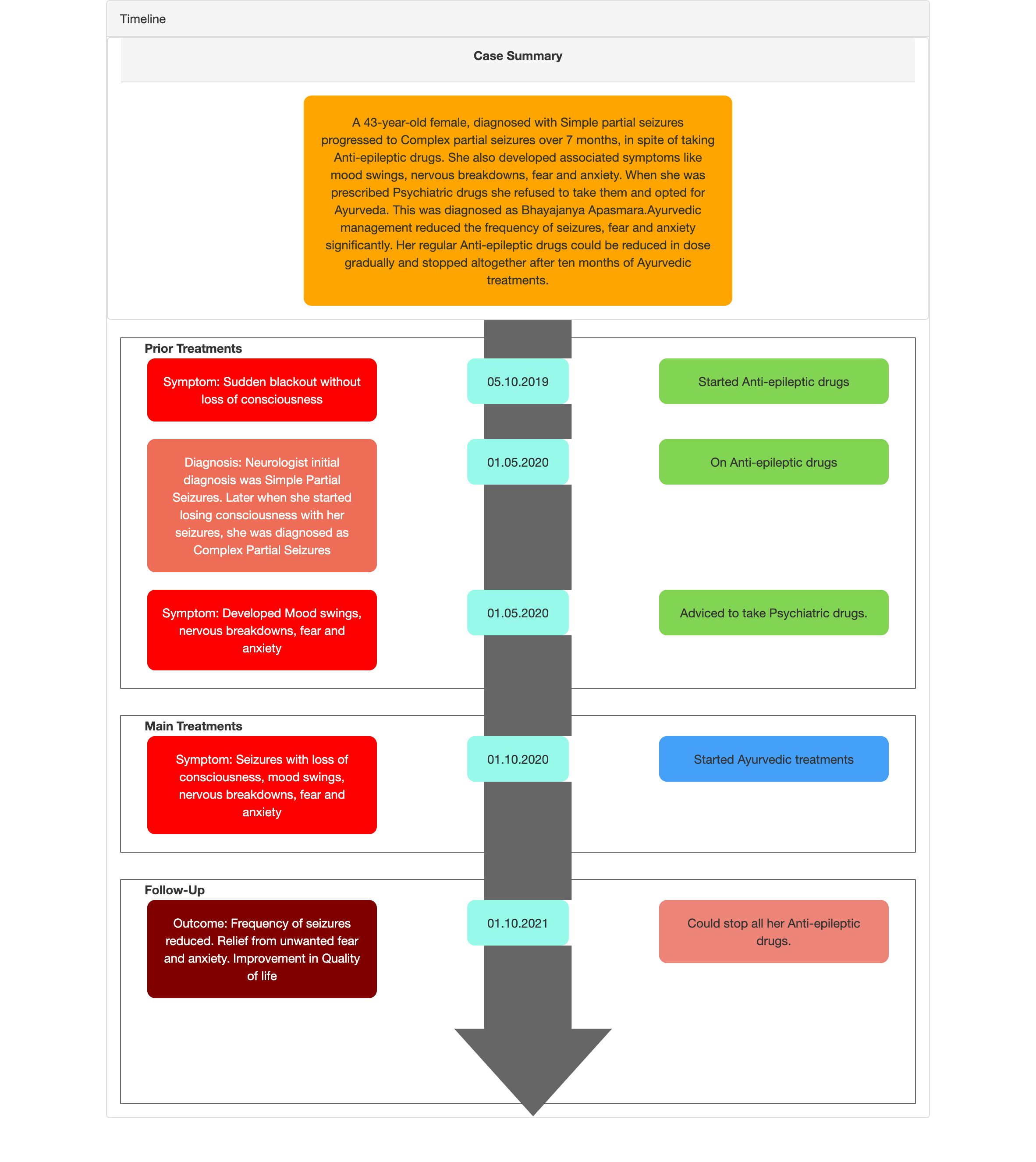
Image 1. Timeline of events attached below
DIAGNOSTIC ASSESSMENT
Modern Diagnostic parameter: Clinical evaluation and detailed case taking are the basis of diagnosis. EEG and MRI of the brain help in identifying where the seizure is happening and rule out other causes like stroke. Reliable eye witness of the seizure is also important to understand the intensity. In this patient, the proof documents for the diagnosis and the previous medicines are available.
Image 2. Baseline diagnosis documents /medicines
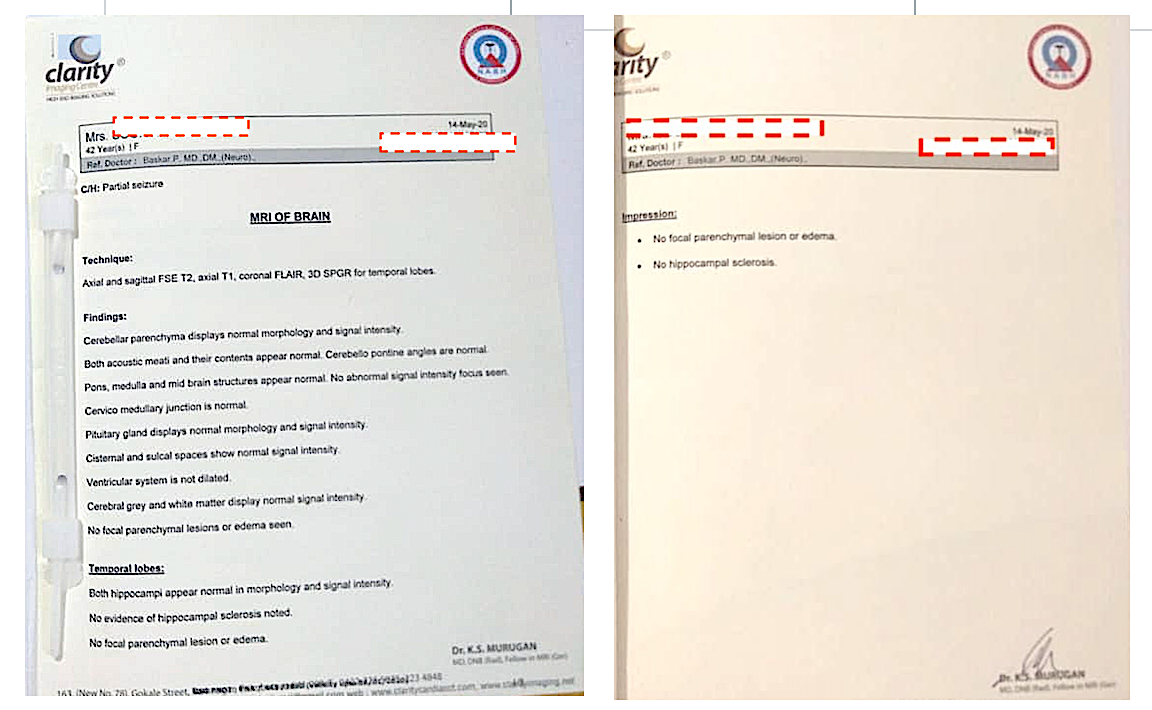
Brain MRI and EEG Reports (May 2020) attached below
Ayurvedic Assessment was done based on the clinical evaluation by the ayurvedic physician, and the confirmed diagnosis from the modern hospital.
Differential Diagnosis- This does not apply as the patient came in with a definite diagnosis.
Prognosis- Prognosis- As soon as seizures are diagnosed, they must be treated immediately. Epilepsy has no cure and is dependent on trigger factors. By medical intervention they can be controlled. But uncontrolled seizures can cause brain damage. Partial seizure can proceed to complex seizures if left untreated. In this patient, though the symptom started in 2018, she consulted a neurologist and started medicines only in Oct 2019. After 7 months her simple partial seizures became complex partial seizures. Despite taking anti-epileptic drugs for more than a year, she was not getting any relief. With Ayurvedic treatments, her frequency of episodes reduced, fear and anxiety were relieved. She could gradually reduce the dosage of the anti-epileptic drugs and finally stopped them.
THERAPEUTIC INTERVENTION
The treatments given are tabulated as follows.
See the tab "Treatment Details'
FOLLOW-UP AND OUTCOMES
The patient is advised to come for follow up only next year 2022.
Clinician-based assessment:
After 1st course of Ayurvedic treatment- From 25.12.2020 to 10.1.21, in Feb 2021, the patient was very stressed and there were facial muscle movement in the right side of the face a couple of instances of tremors also. Family members observed that there were sleep talks. In March 2021- Gradual decrease in number of episodes. Levipil 500 mg night dose changed to 250 mg. July 2021- She could feel a more relaxing phase with further reduction in sleep talks too. Levipil 250 mg morning dose was stopped. October 2021- Stopped taking Levipil. Only very minimal tremors observed for 10-15 seconds and with minimal pain. Her sleep talks stopped completely. She is able to travel alone in bus and cab, which she was frightened to do previously.
Patient-assessed: Not relevant. The patient’s narrative of the outcomes of Ayurvedic treatment has been documented.
Follow up test results: None were advised.
Intervention adherence and tolerability: The patient adhered to the prescribed treatments and tolerated the treatments well.
Method of assessment: By monitoring the patient.
Adverse and unanticipated events: None reported
DISCUSSION:
This basically was treated as vata imbalance due to changes especially in sync with her menstrual periods.
Though the seizures are the basic presentation of Epilepsy, anxiety and stress play an important role as the trigger factors. The MRI Brain and EEG were normal, indicating that there was no major pathology, and it was more affliction at a mental level. This was hence considered as a stress/strain related mental imbalance and the treatment was planned likewise.
PATIENT’S PERSPECTIVE
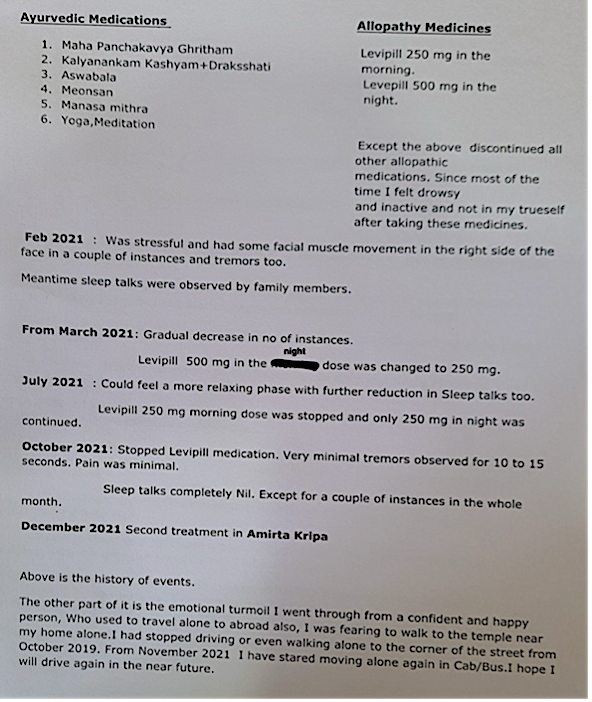
Available as a printed document narrating her experience with the treatments.
LEARNING POINTS/TAKE-HOME MESSAGES
A 43-year-old female, who was initially diagnosed as Simple Partial seizure progressed to Complex partial seizures over a period of 7 months despite taking conventional medicines. When she was prescribed psychiatric medicines to manage associated mood swings and breakdowns, the patient was not willing and opted for Ayurveda. Her regular Anti-epileptic drug could be reduced in dose and stopped altogether after 10 months of Ayurvedic treatments. In patients, who do not get satisfactory outcomes with conventional medicines, or developing side effects, Ayurveda can be considered as an option. It can help improve the quality of life or manage the symptoms effectively.
INFORMED CONSENT
Written consent obtained from patient.
ACKNOWLEDGEMENTS
None.
CONFLICT OF INTEREST
None declared.
FUNDING
None
REFERENCE
- Wang Y, Li Z, Zhang Y, Long Y, Xie X, Wu T. Classification of partial seizures based on functional connectivity: A MEG study with support vector machine. Front Neuroinform. 2022 Aug 18;16:934480. doi: 10.3389/fninf.2022.934480. PMID: 36059865; PMCID: PMC9435583.
- Englot DJ, Blumenfeld H. Consciousness and epilepsy: why are complex-partial seizures complex? Prog Brain Res. 2009;177:147-70. doi: 10.1016/S0079-6123(09)17711-7. PMID: 19818900; PMCID: PMC2901990.
- Manyam BV. Epilepsy in ancient India. Epilepsia. 1992 May-Jun;33(3):473-5. doi: 10.1111/j.1528-1157.1992.tb01694.x. PMID: 1592022.
Image 1. Timeline of events
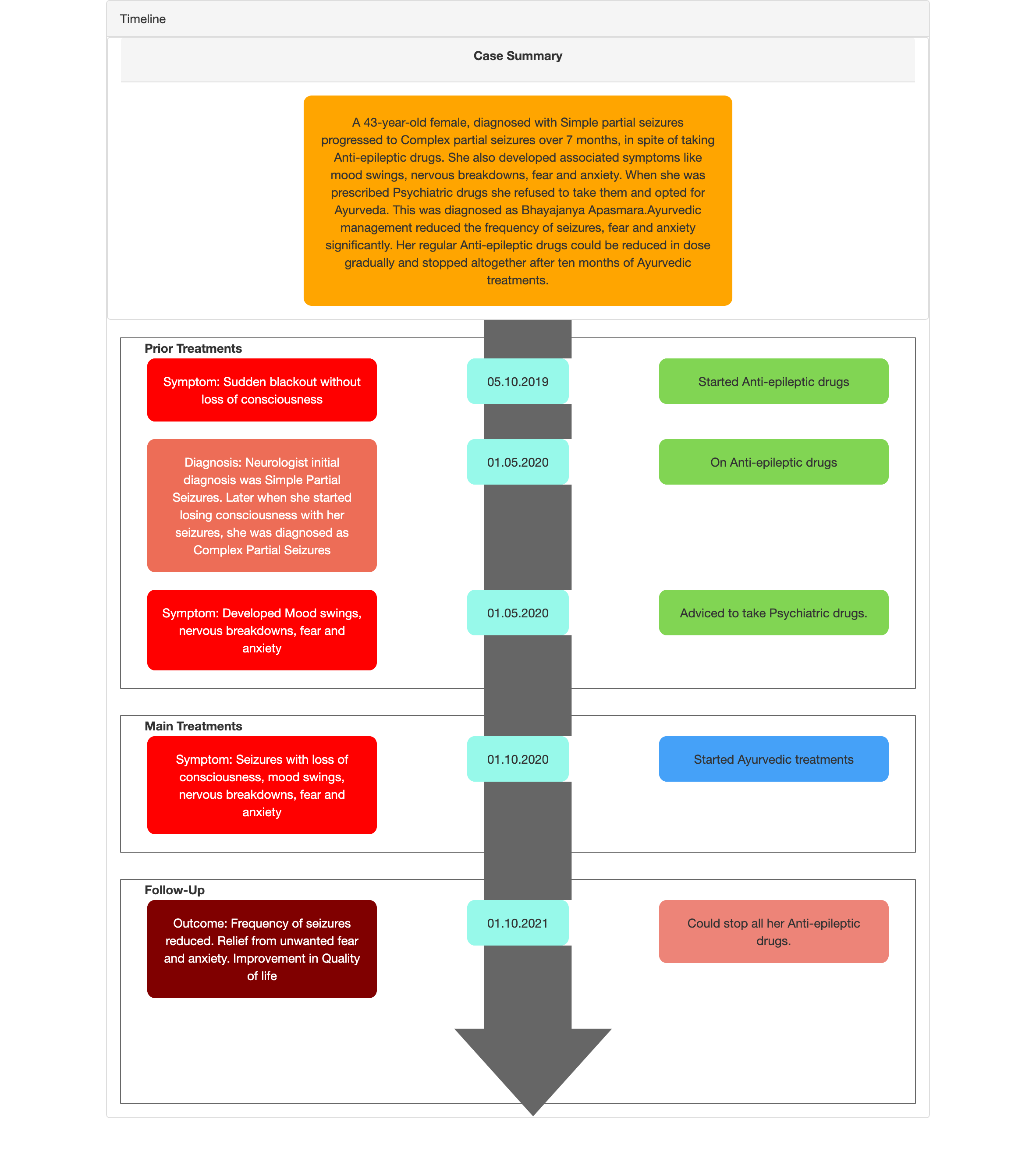
Image 2. Diagnosis proof documents and conventional medicines taken
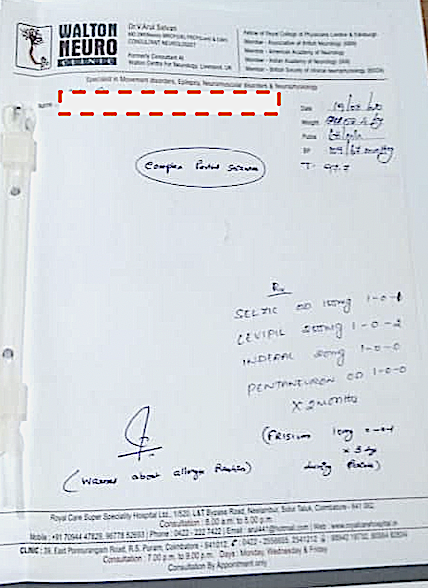
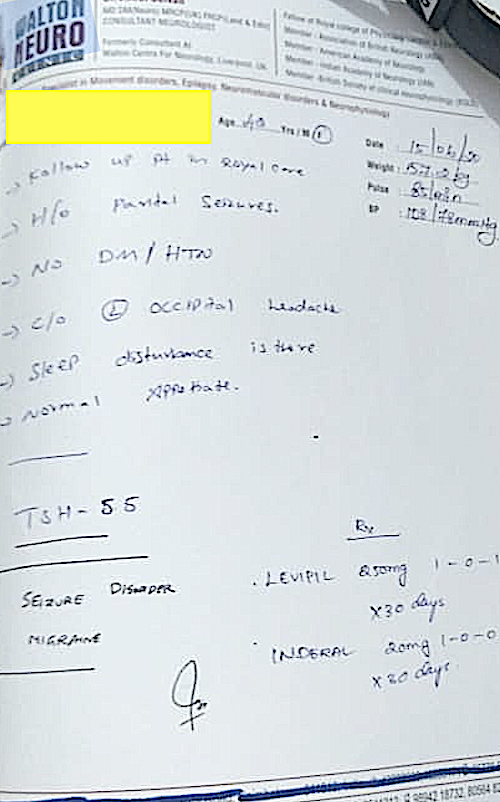
Image 3. Brain MRI and EEG reports dated May 2020
-
Immersive Learning
-
Modern Diagnosis
MODERN DIAGNOSIS: Complex partial seizures
ABOUT THE DISEASE:
Complex partial seizure is a focal seizure that starts on one hemisphere of the brain and then spreads to other sides. This is also referred to as a Focal Seizure. In this condition, there is impaired consciousness contrary to a simple partial seizure where there is no loss of consciousness. However, a simple partial seizure can progress to a complex partial seizure if not managed appropriately.
Diagnostic Criteria- Clinical evaluation and detailed case taking are the basis of diagnosis. EEG and MRI of the brain help in identifying where the seizure is happening and rule out other causes like stroke. Reliable eye witness of the seizure is also important to understand the intensity.
In this case report, the patient was initially clinically diagnosed by a Neurologist with a Simple partial seizure, and after 7 months, it progressed to a complex partial seizure. Her EEG and Brain MRI were normal, so the diagnosis was made on the basis of the patient’s clinical presentation.
Image 1. Confirmed Diagnosis Documents & previous medicines: (February 2020) Attached Below
Image 2. Brain MRI and EEG Reports (May 2020)
The Ayurvedic Physician diagnosed the clinical condition as Bhaya janya Apasmara based on the clinical presentation. There was no evident pathology as the MRI Brain and the EEG was also normal. So this was considered to be more due to mental imbalance due to anxiety and stress.
Prognosis- As soon as seizures are diagnosed, they must be treated immediately. Epilepsy has no cure and is dependent on trigger factors. By medical intervention they can be controlled. But uncontrolled seizures can cause brain damage. Partial seizure can proceed to complex seizures if left untreated. In this patient, though the symptom started in 2018, she consulted a neurologist and started medicines only in Oct 2019. After 7 months, despite anti-epileptic medicines, her simple partial seizures progressed to complex partial seizures. Despite taking anti-epileptic drugs for more than a year, she was not getting any relief. At baseline the patient was taking Levipil 250mg 1-0-2; Inderal 20mg 1-0-0; Pentaneuron OD 1-0-0; Vitamin B12c Supplements.
With Ayurvedic treatments, her frequency of episodes reduced, fear and anxiety were relieved. She could gradually reduce the dosage of the modern medicines and finally stopped them.
Treatment- Anti-epileptic medicines are the treatment options, and only after administration and careful observation, the right dose and medicine can be fixed for a patient. If there is no response, then the dose of the drugs may be gradually increased.
Image 1. Confirmed Diagnosis Documents & conventional medicines: (February 2020) Attached Below
Image 2. Brain MRI and EEG Reports (May 2020)
-
Ayurveda Diagnosis
AYURVEDIC DIAGNOSIS: Bhaya janya Apasmaram
ABOUT THE DISEASE:
The term Apasmara implies ‘loss of memory’. Epilepsy can be clinically correlated to Apasmara, mentioned in the classical textbooks of Ayurveda. But in Ayurveda, smriti- loss of memory is an important factor. But all the conditions where there is loss of memory cannot be considered as Apasmara. The main symptoms are Tamah pravesha, bheebhatsa ceshta, and dhi satva samplavata. The samprapti is ‘cintashokadibhir’ ….due to emotions like cinta, shoka, the doshas especially vata, get aggravated and affect the manovaha srotas causing the apadhvamsa of smrti. There are 4 types of Apasmara- Vataja, Pittaja, Kaphaja and Sannipatika. Based on the dosha predominance the respective symptoms are produced.
Prognosis: This is basically a Tridoshaja vyadhi and so is asadhya. Vata can be considered as the main aggravated amongst the three as the manovaha srotas is basically affected. In this patient, a direct inference could be made to the infliction of the manas as the normal brain MRI and EEG suggest that there is no underlying pathology. The triggers in this patient are emotional disturbances and always close to her menstruation. And the physician identifies ‘bhaya’ as the causative factor for the patient’s Apasmara.
In this patient, the condition is chronic and was not responsive to more than a year of modern medicines. What manifested due to a fear, gradually progressed to mood swings, loss of sleep, irritability etc.. Initially it was simple partial seizures that progressed to complex partial seizures. It was when psychiatric medicines were suggested as part of the treatment, she opted to try ayurvedic treatment.
Treatment & Rationale of treatment: According to Caraka, vasti in vatapradhana, virecana in pitta pradhana and vamana in kapha pradhana apasmara is the line of treatment. In this patient, there was no physical pathology as evident from the EEG and MRI reports. So based on the clinical presentation, this was diagnosed as Bhaya janya Apasmara. The trigger factors were her emotional disturbances and symptoms manifested always close to her menstruation. So treatments given targeted at pacifying Vata and to maintain their mental balance.
-
Treatment
Name of Medicine Dosage Form Dosage Mode of Administrtation From - To (Date) Medicine Reference Ksheerabala 101 Taila 5 drops Nasyam, in the evening 2020-12-30 - 2020-12-31 Sahasrayogam, Taila Prakaranam Ksheerabala 101 Tailam 5 drops Nasyam, in the evening 2021-01-10 - 2021-01-12 Sahasrayogam, Taila Prakaranam Kalyanaka Kashayam Kashayam 0-20-20 ml Oral, with warm water 2020-12-25 - 2021-01-10 Sahasrayogam, Kashaya Prakaranam Dhanadanayanadi Kashayam Kashaya 20 ml Kashayam+ 80 ml water Oral, before food in the afternoon and night 2020-12-25 - 2021-01-10 Sahasrayogam, Kashaya Prakaranam Manasamitra Vatakam Tablets 1 Oral, with warm water at bed time 2020-12-25 - 2021-02-10 Sahasrayogam, Kashaya Prakaranam AMV Tablet 1-1-1 Oral, 2020-12-25 - 2021-01-10 Proprietary Ashta curnam Curnam 1/2 tsp Oral, with warm water thrice daily 2020-12-25 - 2021-01-10 AH.Ci.14.35 Mahapancagavya Ghrtam Ghrtam 2 tsp Oral after food, once daily 2021-01-11 - 2021-02-11 AH.Utt.7.18-23 Kalyanakam Kashayam + Drakshadi Kashayam Kasayam Both Kashayam mixed 20 ml Oral, at 7am and 7pm 2021-01-11 - 2021-02-11 Sahasrayogam, Kashaya Prakaranam Aswabala Syrup 10ml Oral, mix it the Kashaya - Kalyanaka + Drakshadi and take at 7 am and 7 pm 2021-01-11 - 2021-02-11 Proprietary Medicine Meosan Tablet Tablet 1-0-1 Oral, with warm water after food 2021-01-11 - 2021-02-11 Proprietary Medicine Dhanyamla Dhara Required quantity Whole body dhara 2020-12-25 - 2020-12-28 Anubhuta Yogam Dhanvantaram Tailam Tailam Required quantity Sarvanga Abhyanga, For Kati sveda and Bhaspa Sveda 2020-12-25 - 2021-01-10 Sahasrayogam, Taila Prakaranam Ksheerabala Tailam Tailam Required quantity For external application- on head 2020-12-25 - 2021-01-10 Sahasrayogam, Taila Prakaranam Ksheerabala Tailam Tailam Required quantity Sirodhara 2021-01-01 - 2021-01-07 Sahasrayogam, Taila Prakaranam Patrapotali Svedam Potali 8 in number External application whole body 2020-12-30 - 2020-12-31 Anubhuta Yogam Nadi Svedam Sveda drava Required quantity Whole Body sveda 2021-01-08 - 2021-01-08 Anubhuta Yogam -
Outcome Measures
OUTCOMES
A 43-year-old female, who was initially diagnosed as Simple Partial seizure progressed to Complex partial seizures over a period of 7 months in spite of taking anti-epileptic medicines. At the time of Ayurvedic consultation, she was taking Levipil 250mg 1-0-2; Inderal 20mg 1-0-0; Pentaneuron OD 1-0-0; Vitamin B12c Supplements. When she developed mood swings and nervous break downs, she was directed to a Psychiatrist. So she decided to try Ayurveda.
The outcomes were measured by assessing the subjective parameters- like the frequency of episodes, and her emotional stability. Here no investigations or imaging was done because her intial EEG and MRI Brain were already normal. So follow up imaging was not done.
Mode of assessment: Subjective assessment of the patient was done.
Quality of life of the patient improved. The patient has narrated the timeline of events and the effect of Ayurvedic treatment.
Image 1. Patient Narrative of the timeline of events Attached below
After 1st course of treatment from 25.12.2020 to 10.1.21, In Feb 2021, the patient was very stressed and there were facial muscle movement in the right side of the face a couple of instances and tremors also. Family members observed that there were sleep talks. In March 2021- Gradual decrease in number of instances. Levipil 500 mg night dose changed to 250 mg. July 2021- Could feel a more relaxing phase with further reduction in sleep talks too. Levipil 250 mg morning dose was stopped. October 2021- Stopped Levipil. Very minimal tremors observed for 10-15 seconds with minimal pain. Sleep talks stopped completely. She can travel alone in bus and cab, which she was scared to do previously.
Image 1. Patient Narrative
-