Featured Case
-
Abstract
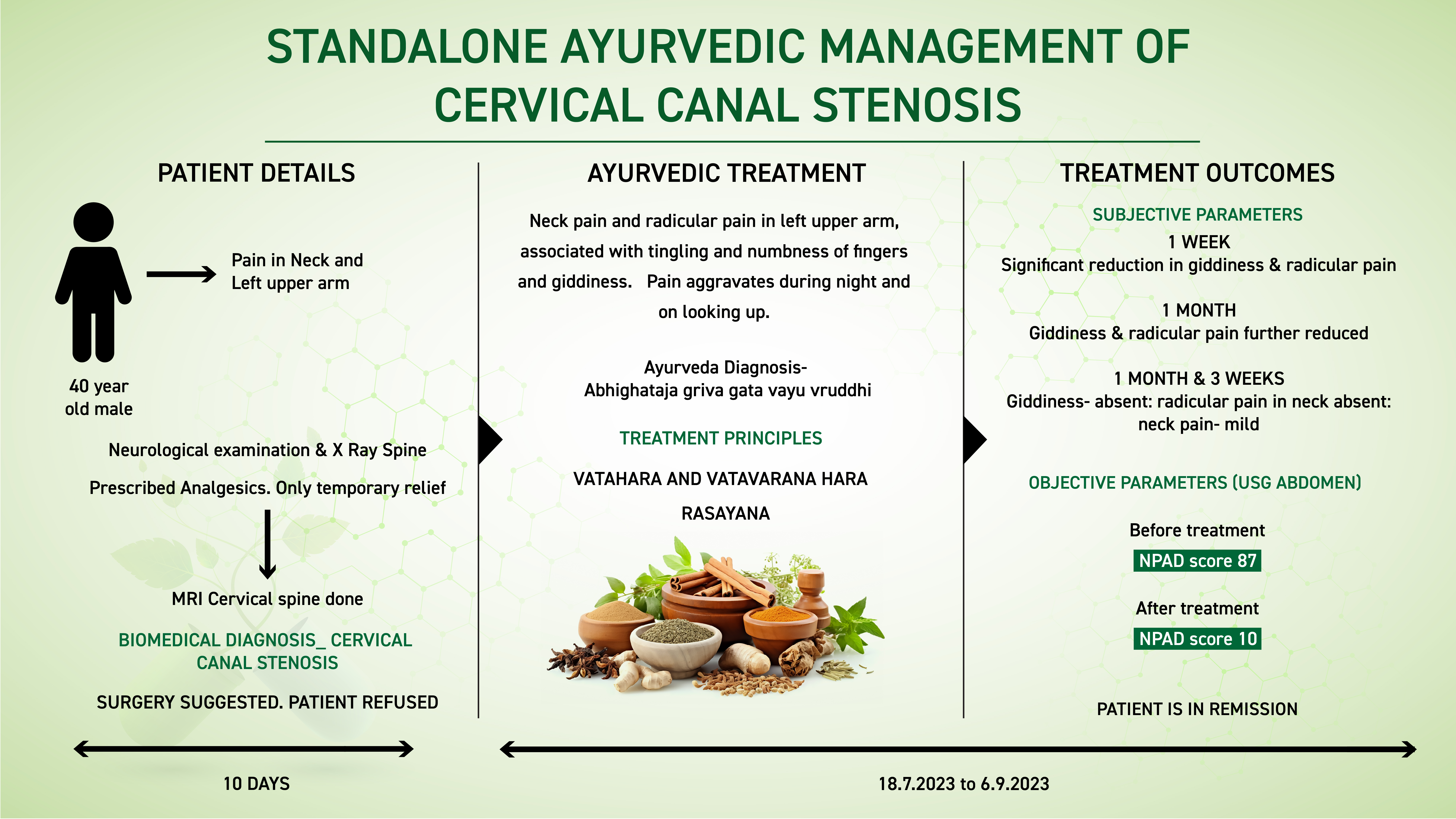
A 40-year-old male patient presented with neck pain and radicular pain in left upper arm since 1 month associated with tingling and numbness of fingers and giddiness. The patient had a history of Road traffic accident 1 month back. He had consulted an Allopathic doctor. Neurological exam and X Ray of the spine was normal and only analgesics were prescribed. When the symptoms relapsed, MRI done revealed C5-C6, C6, C7 PIVD with root compression. The biomedical diagnosis was confirmed as Cervical canal stenosis, and surgery was recommended. The patient refused and consulted Dr Rajnikanth for Ayurvedic management. The ayurvedic diagnosis was Abhighataja griva gata vayu vruddhi. The line of treatment followed was to pacify the vata and initiate the sandhana karma. The treatment also targeted to address the avarana of vata and do rasayana for the asthi dhatu. After 1 month of treatment, there was significant reduction in neck pain and giddiness. Radicular pain was absent. The Neck Pain And Disability score that was recorded as 87 before treatment became 10 after treatment. This case report demonstrates the successful standalone ayurvedic management of cervical canal stenosis, in a patient who was suggested surgery as the best option.
-
Summaries
-
Listen
-
Watch
-
View
-
Read
A 40-year-old male patient presented with neck pain and radicular pain in left upper arm since 1 month associated with tingling and numbness of fingers and giddiness. The patient had a history of Road traffic accident 1 month back. He had consulted an Allopathic doctor. Neurological exam and X Ray of the spine was normal and only analgesics were prescribed. When the symptoms relapsed, MRI done revealed C5-C6, C6, C7 PIVD with root compression. The biomedical diagnosis was confirmed as Cervical canal stenosis, and surgery was recommended. The patient refused and consulted Dr Rajnikanth for Ayurvedic management. The ayurvedic diagnosis was Abhighataja griva gata vayu vruddhi. The line of treatment followed was to pacify the vata and initiate the sandhana karma. The treatment also targeted to address the avarana of vata and do rasayana for the asthi dhatu. After 1 month of treatment, there was significant reduction in neck pain and giddiness. Radicular pain was absent. The Neck Pain And Disability (NPAD) score that was recorded as 87 before treatment became 10 after treatment. This case report demonstrates the successful standalone ayurvedic management of cervical canal stenosis, in a patient who was suggested surgery as the best option.
-
-
Timeline
-
Tabulated Summary
-
Narrative
TITLE OF CASE
Successful standalone ayurvedic management of Cervical canal stenosis- A case report
Dr Rajnikanth
ABSTRACT
A 40-year-old male patient presented with neck pain and radicular pain in left upper arm since 1 month associated with tingling and numbness of fingers and giddiness. The patient had a history of Road traffic accident 1 month back. He had consulted an Allopathic doctor. Neurological exam and X Ray of the spine was normal and only analgesics were prescribed. When the symptoms relapsed, MRI done revealed C5-C6, C6, C7 PIVD with root compression. The biomedical diagnosis was confirmed as Cervical canal stenosis, and surgery was recommended. The patient refused and consulted Dr Rajnikanth for Ayurvedic management. The ayurvedic diagnosis was Abhighataja griva gata vayu vruddhi. The line of treatment followed was to pacify the vata and initiate the sandhana karma. The treatment also targeted to address the avarana of vata and do rasayana for the asthi dhatu. After 1 month of treatment, there was significant reduction in neck pain and giddiness. Radicular pain was absent. The Neck Pain And Disability (NPAD) score that was recorded as 87 before treatment became 10 after treatment. This case report demonstrates the successful standalone ayurvedic management of cervical canal stenosis, in a patient who was suggested surgery as the best option.
KEYWORDS
Cervical, stenosis, abhighataja, griva, vayu gata, vata, case report
INTRODUCTION
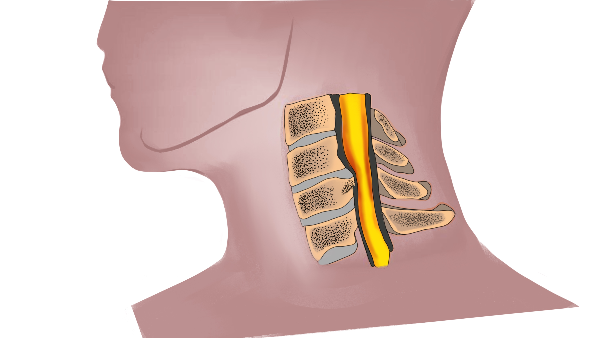
The word ‘stenosis’ means ‘narrowing of the passage in the body’. When the cervical spine is affected, then it is called as Cervical spine stenosis, or the cervical canal stenosis. Spinal stenosis that occurs in the part of the spine that’s in your neck is called cervical spinal stenosis. The causes can be a number of contributing factors like Osteoarthritis, Rheumatoid arthritis, Diffuse idiopathic skeletal hyperostosis (DISH), Cartilage loss, Slipped or herniated disk, Thickened ligaments, Spinal injuries, Tumors on or near the spine.
The general Symptoms are Neck pain, Pain in one or both arms, A feeling of electrical charge or tingling sensation that shoots down the back when you move your head, and numbness in your arms or hands.
Diagnostic criteria: Medical history and clinical evaluation is the basis of the diagnosis. Apart from this, EMG, Imaging tests like MRI, X Ray or CT Scan may be done, to measure the muscle response or to check if the compression is happening in the spine or within an extremity.
Treatment:The severity of the stenosis, as well as the symptoms, will determine the type of treatment that a doctor suggests. The treatment plan will likely include a variety of approaches, both at home and with a physical therapist. In some cases, surgery may be needed, but it’s not usually the first option.
A doctor may recommend: Medications, Physical therapy, and Epidurals.
Surgery options for cervical spinal stenosis: In more severe cases, a doctor might suggest surgery to create some extra space in the spinal canal to lessen the pressure and the pain. Some of the surgical procedures are as follows:
Anterior cervical discectomy and fusion.
Cervical laminoplasty.
Posterior laminectomy and fusion.
Disc replacement.
Exercises like cervical flexion and rotation, side bend, chin tuck, median nerve slider and shoulder shrugs are suggested to be done at home.
Prognosis: Most people with cervical spinal stenosis have mild cases or symptoms and don’t have to adjust their lives much to accommodate the condition. In fact, many people find that their pain doesn’t necessarily get progressively worse over time, and they can manage their pain and symptoms. However, for some people, the condition goes get worse as time goes by. They may develop more serious symptoms, such as loss of bowel or bladder function and trouble walking. This is more likely to happen to people who have cervical stenosis with myelopathy.
PATIENT INFORMATION
In this case report, a 40-year-old male patient presented with neck pain and radicular pain in left upper arm since 1 month associated with tingling and numbness of fingers and giddiness. The patient had a history of Road traffic accident 1 month back. He had consulted an Allopathic doctor. Neurological exam and X Ray of the spine was normal and only analgesics were prescribed. When the symptoms relapsed, MRI done revealed C5-C6, C6, C7 PIVD with root compression. The biomedical diagnosis was confirmed as Cervical canal stenosis, and surgery was recommended. The patient refused and consulted Dr Rajnikanth for Ayurvedic management.
No relevant Family/Surgical/Genetic History.
Psychosocial history: Sleep is disturbed due to the pain
Addictions- None
CLINICAL FINDINGS
General examination and systemic examinations done.
On examination:
No swelling , tenderness
ROM:
Flexion- Pain+
Extension- Pain+
Hyposensitivity at C7, C8
TIMELINE
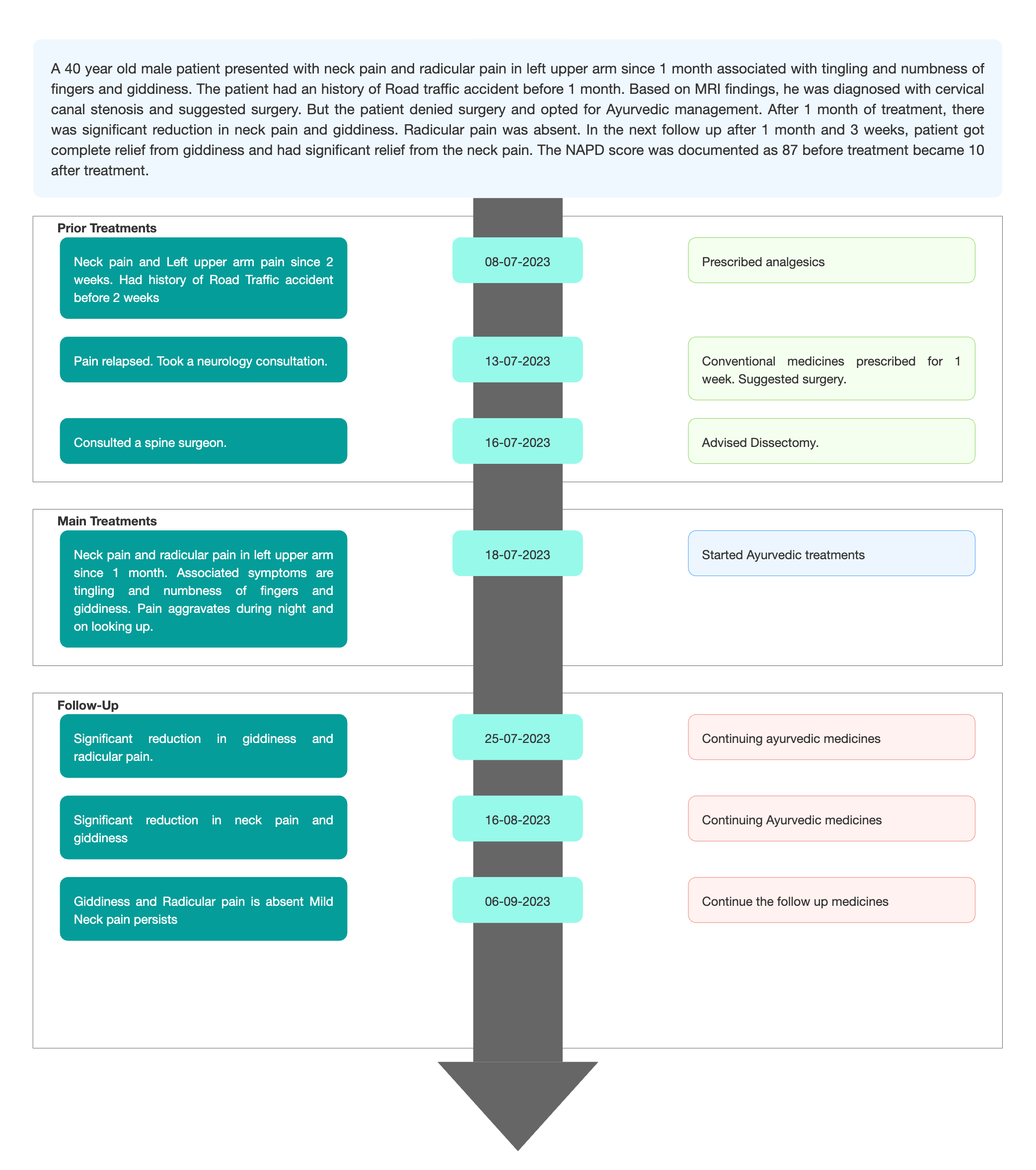
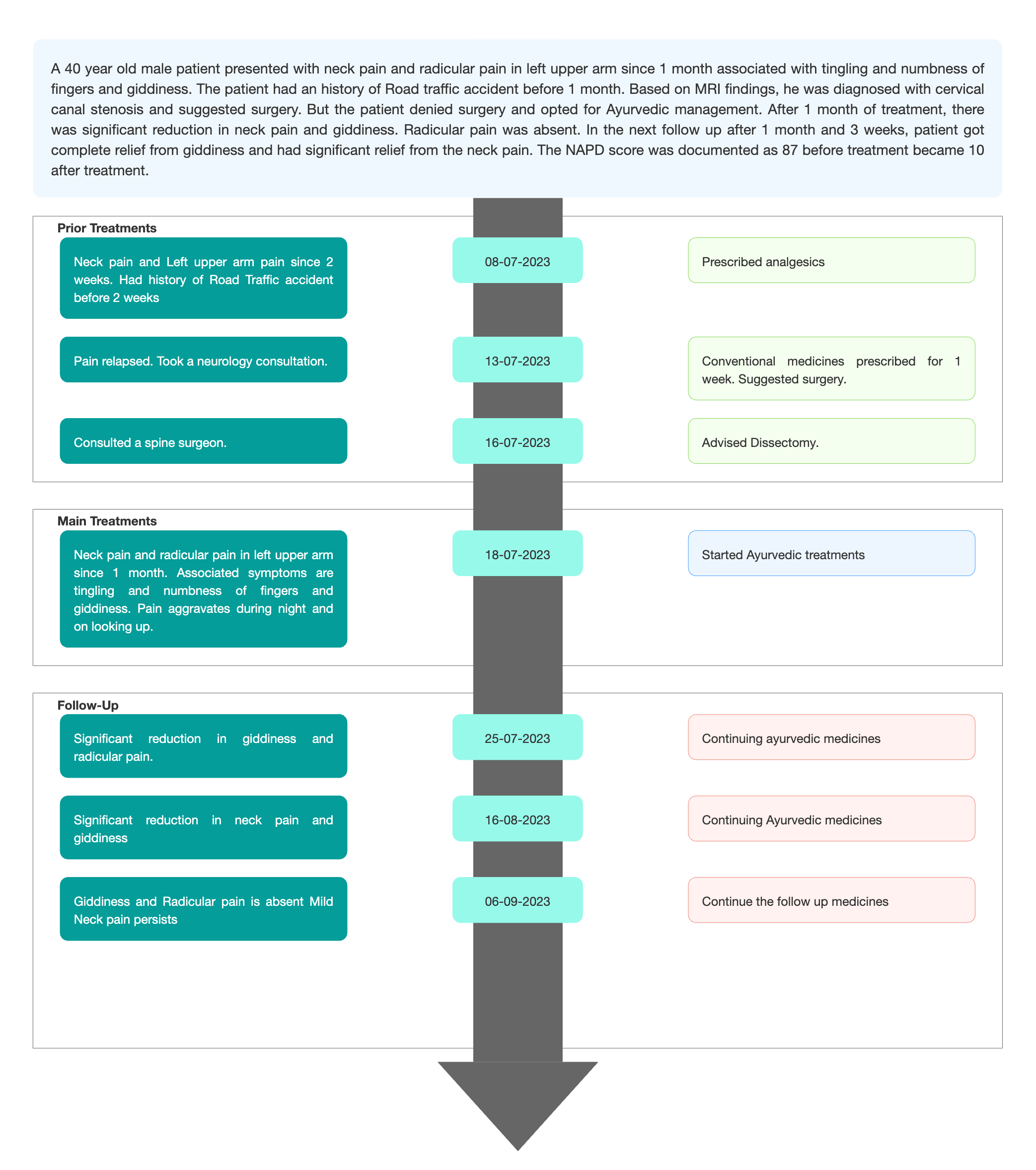
Image 1. Timeline of events added below
DIAGNOSTIC ASSESSMENT
Modern Diagnostic parameter: The biomedical diagnosis was confirmed as Cervical canal stenosis based on the MRI reports and neurological examination.
Image 2. The Neck Pain and Disability Scale (NPAD) at baseline
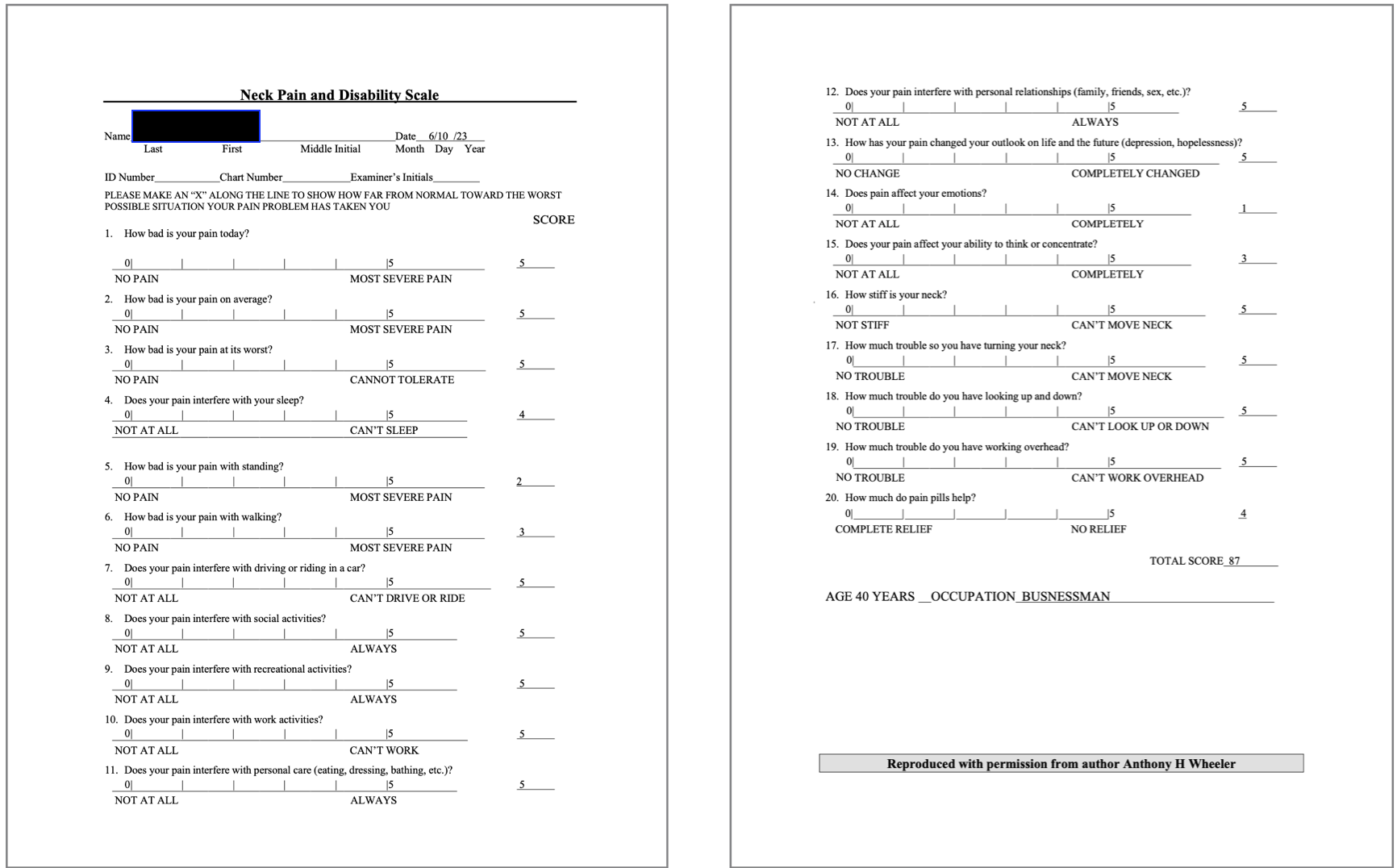
Image 3. MRI study of Cervical spine dated 12.7.2023
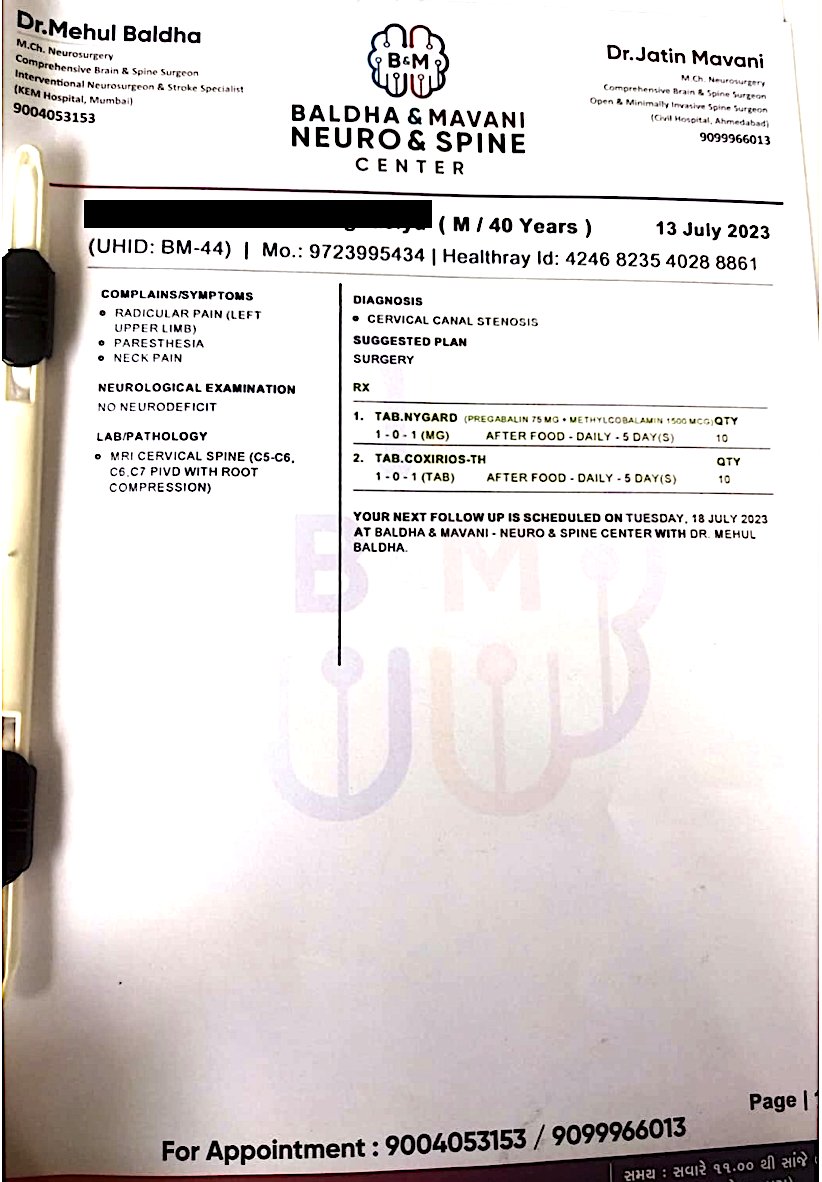
Image 4. Diagnosis proof document dated 13.7.2023
Ayurvedic Assessment was done based on the presenting complaints and clinical evaluation. The treating physician confirmed the Ayurvedic diagnosis as Abhighataja griva gata vayu vriddhi.
Baseline evaluation
Differential Diagnosis-
Ankylosing spondylitis
epidural, subdural, or intradural abscess
conversion disorder
rheumatoid arthritis
Diffuse idiopathic skeletal hyperostosis (DISH)
Based on previous treatment records and clinical findings, the physician clinically confirmed the diagnosis as cervical canal stenosis.Prognosis: Cervical canal stenosis may lead to serious symptoms such as major body weakness and paralysis. For those with myelopathy, surgical decompression can provide some relief from pain and sensory loss and can prevent the exacerbation of myelopathy. In this case, the patient was advised for surgical management. With Ayurvedic treatment, patient attained a significant relief from all the symptoms and could avoid the surgical management.
THERAPEUTIC INTERVENTION
Refer the tab ‘Treatment’ in the Portal.
FOLLOW-UP AND OUTCOMES
The patient had 3 follow ups in total. The subjective and objective parameters were the primary assessment modality.
Clinician-based assessment; The symptoms were assessed every follow up.
Table 1. Symptoms assessed date wise
TIMELINE
SYMPTOMS
AFTER 1 WEEK (25.7.2023)
Significant reduction in giddiness & radicular pain
AFTER 1 MONTH (16.8.2023)
Giddiness & radicular pain further reduced
AFTER 1 MONTH AND 3 WEEKS (6.9.2023)
Giddiness- absent: radicular pain in neck absent: neck pain- mild
Objective parameters: The NPAD was documented at endpoint
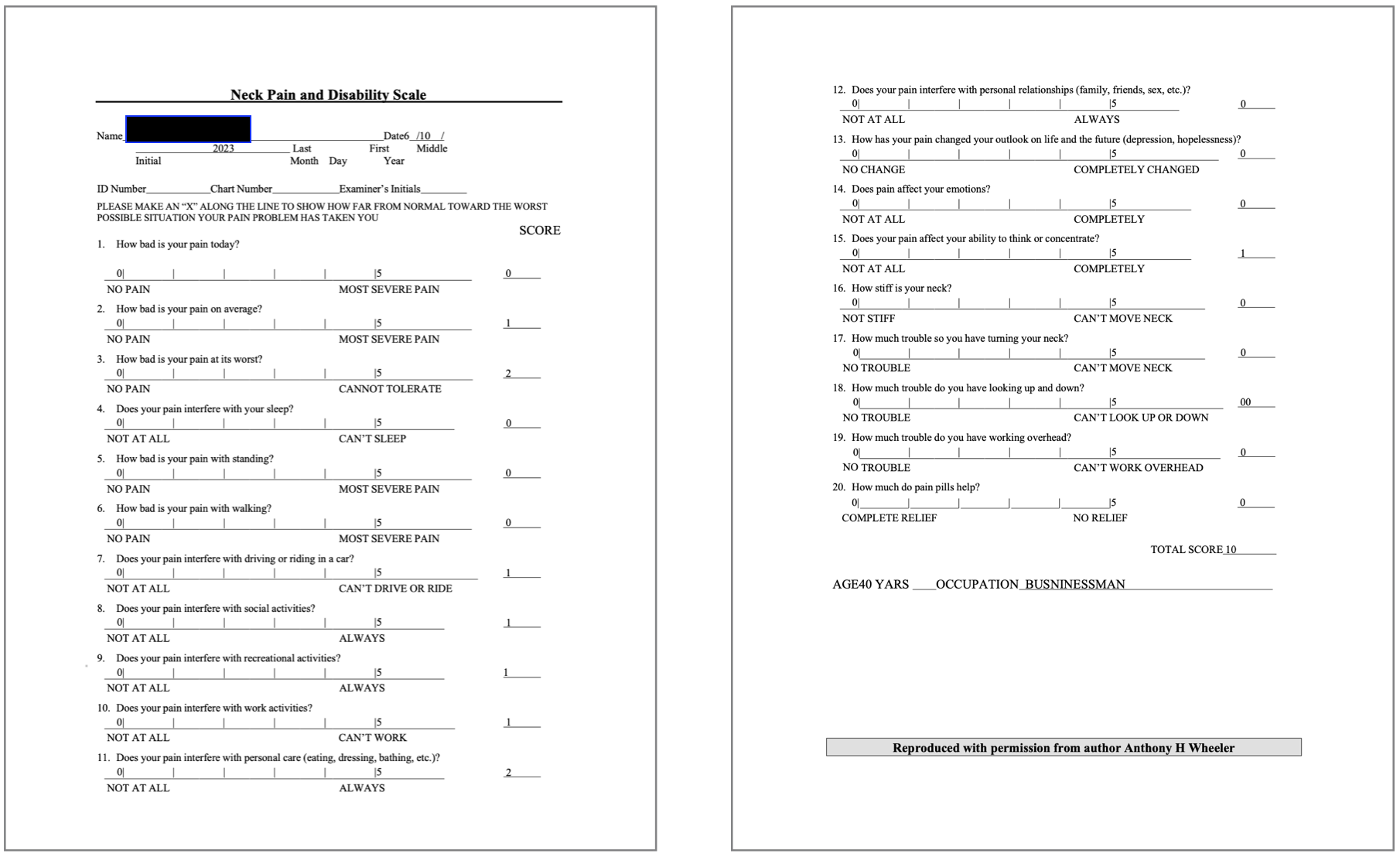
Image 5. NPAD documented at endpoint
Patient-assessed; Not applicable
Intervention adherence and tolerability – The patient adhered to the prescribed treatments and tolerated the treatments well.
Method of assessment- Subjective and objective parameters were the primary assessment criteria used.
Adverse and unanticipated events; None reported
DISCUSSION:
Cervical canal stenosis may lead to serious symptoms such as major body weakness and paralysis. In this patient, surgery was suggested as the primary choice of treatment. Bu the patient was not willing and opted for Ayurveda. The Ayurvedic diagnosis was Abhighataja griva gata vayu vriddhi and the rationale of treatment was explained by the treating physician as follows:
Table 2. Medicines/Therapies and the rationale
Name of the medicine/ Procedure
Rationale
Dhanyamladhara and Upnaha sweda
To reduce vayu locally.
Nasya with Karpasastyadi taila
To reduce vayu.
Sandhaniya maha Kashaya tablet
To do sandhana karma in spinal cord.
Gandha tailam capsule
To do sandhana karma in spinal cord.
Nasya with Ksheerbala 101 avarti
To control vayu in the neck.
Shuddha guggulu tablet
To reduce vayu and its avarana.
Panchmritaloha guggulu
To strengthen spinal cord from injury.
Boniheal tablet
To strengthen asthi dhatu.
Rheumat G Tablet
Rasayana for asthi dhatu.
PATIENT’S PERSPECTIVE
Not available.
LEARNING POINTS/TAKE HOME MESSAGES
This case report highlights the efficacy of Ayurveda in treating cervical canal stenosis in a patient who was suggested for surgery. Ayurveda is an effective alternative or complementary treatment for cervical canal stenosis in patients, potentially avoiding the need for surgery or are not willing to undergo surgery.
INFORMED CONSENT
Written consent obtained from patient for publishing of the case report in the Portal
ACKNOWLEDGEMENTS
None
CONFLICT OF INTEREST
None declared.
FUNDING
None
REFERENCE
1. https://www.healthline.com/health/bone-health/cervical-spinal-stenosis#outlook
-
Immersive Learning
-
Modern Diagnosis
MODERN DIAGNOSIS: Cervical canal stenosis
ABOUT THE DISEASE:
The word ‘stenosis’ means ‘narrowing of the passage in the body’. When the cervical spine is affected, then it is called as Cervical spine stenosis, or the cervical canal stenosis. Spinal stenosis that occurs in the part of the spine that’s in your neck is called cervical spinal stenosis.
Causes: A number of factors can contribute to the development of cervical stenosis, including:
Osteoarthritis
Rheumatoid arthritis
Diffuse idiopathic skeletal hyperostosis (DISH)
Cartilage loss
Slipped or herniated discs
Thickened ligaments
Spinal injuries
Tumors on or near the spine
Symptoms:
Neck pain
Pain in one or both arms
A feeling of electrical charge or tingling sensation that shoots down the back when you move your head
Numbness in your arms or hands
Diagnostic criteria: Medical history and clinical evaluation is the basis of the diagnosis. Apart from this, EMG, Imaging tests like MRI, X Ray or CT Scan may be done, to measure the muscle response or to check if the compression is happening in the spine or within an extremity.
Image 1. The Neck Pain And Disability Scale (NPAD) at baseline
Image 2. MRI study of Cervical spine dated 12.7.2023
Image 3. Diagnosis proof document dated 13.7.2023
In this case report, a 40-year-old male patient presented with neck pain and radicular pain in left upper arm since 1 month associated with tingling and numbness of fingers and giddiness. The patient had a history of Road traffic accident 1 month back. He had consulted an Allopathic doctor. Neurological exam and X Ray of the spine was normal and only analgesics were prescribed. When the symptoms relapsed, MRI done revealed C5-C6, C6, C7 PIVD with root compression. The biomedical diagnosis was confirmed as Cervical canal stenosis, and surgery was recommended. The patient refused and consulted Dr Rajnikanth for Ayurvedic management.
Treatment:The severity of the stenosis, as well as the symptoms, will determine the type of treatment that a doctor suggests. The treatment plan will likely include a variety of approaches, both at home and with a physical therapist. In some cases, surgery may be needed, but it’s not usually the first option.
A doctor may recommend:
Medications.
Physical therapy.
Epidurals.
Surgery options for cervical spinal stenosis: In more severe cases, a doctor might suggest surgery to create some extra space in your spinal canal to lessen the pressure and the pain. Some of th surgical procedures are as follows:
Anterior cervical discectomy and fusion.
Cervical laminoplasty.
Posterior laminectomy and fusion.
Disc replacement.
Exercises like cervical flexion and rotation, side bend, chin tuck, median nerve slider and shoulder shrugs are suggested to be done at home.
Prognosis: Most people with cervical spinal stenosis have mild cases or symptoms and don’t have to adjust their lives much to accommodate the condition. In fact, many people find that their pain doesn’t necessarily get progressively worse over time, and they can manage their pain and symptoms. However, for some people, the condition goes get worse as time goes by. They may develop more serious symptoms, such as loss of bowel or bladder function and trouble walking. This is more likely to happen to people who have cervical stenosis with myelopathy.
Reference
-
Ayurveda Diagnosis
AYURVEDA DIAGNOSIS: Abhighataja griva gata vayu vruddhi.
The biomedical diagnosis of Cervical canal stenosis has been correlated to Abhigataja griva gata vayu vriddhi. Cervical canal stenosis cannot be directly correlated to any disease in the classical textbooks of Ayurveda.
In this case report, a 40-year-old male patient presented with neck pain and radicular pain in left upper arm since 1 month associated with tingling and numbness of fingers and giddiness. The patient had a history of Road traffic accident 1 month back. He had consulted an Allopathic doctor. Neurological exam and X Ray of the spine was normal and only analgesics were prescribed. When the symptoms relapsed, MRI done revealed C5-C6, C6, C7 PIVD with root compression. The biomedical diagnosis was confirmed as Cervical canal stenosis, and surgery was recommended. The patient refused and consulted Dr Rajnikanth for Ayurvedic management.
Here the patient has a history of road traffic accident, that was a cause for the condition. Hence the reason has been mentioned as ‘Abhighataja’. The sthana samshraya of the vyadhi is griva. And the dosa is the aggravated vata.
वातवृद्धौ वाक्पारुष्यं कार्श्यं कार्ष्ण्यं गात्रस्फुरणमुष्णकामि(म)ता निद्रानाशोऽअल्पबलत्वं गाढवर्चस्त्वं च; (SS.Su.15.13)
Sushruta mentions that when vata aggravates, the lakshanas are vakparushyam, karshyam, karshnyam, gatra sphurana, ushna kamitva, nidra nasham, alpabalatva and gadha varcastvam.
Caraka mentions in detail the diseases that can be caused by vitiated vata in general.
सङ्कोचः पर्वणां स्तम्भो भेदोऽस्थ्नां पर्वणामपि ||२०||
लोमहर्षः प्रलापश्च पाणिपृष्ठशिरोग्रहः |
खाञ्ज्यपाङ्गुल्यकुब्जत्वं शोषोऽङ्गानामनिद्रता ||२१||गर्भशुक्ररजोनाशः स्पन्दनं गात्रसुप्तता |
शिरोनासाक्षिजत्रूणां ग्रीवायाश्चापि हुण्डनम् ||२२||भेदस्तोदार्तिराक्षेपो मोहश्चायास एव च |
एवंविधानि रूपाणि करोति कुपितोऽनिलः ||२३||हेतुस्थानविशेषाच्च भवेद्रोगविशेषकृत् |२४| (CS.Ci.28)
Vitiated vata causes various symptoms like contractures, joint stiffness, splitting of bones and joints, horripilation, delirium, spasticity of hands, back and neck; limping, paraplegia, hunch back; organ atrophy, insomnia, intrauterine death of embryo and fetus, diminishing sperms and menstruation fasciculation, generalized numbness, benumbing or paralysis of muscles of head, nose, eyes, supraclavicular part and neck; splitting, pricking or aching type of pains; convulsions, loss of consciousness, fatigue etc. Different specific diseases of vata are caused by specificity in etiological factors and site of affliction. Here, vata vriddhi lakshana and the vata vyadhi can be connected as the treating physician has mentioned that there is a vata vriddhi.
The treatment and the rationale of treatment: As the vata is the predominant dosa that is causing the disease, vatavyadhi cikitsa can be followed. Snehana, swedana and mridu shodhan are the general treatments followed. Apart from this, there are specific treatments mentioned for specific vata vyadhis.
The rationale of treatment as explained by the treating physician is given below.
Name of the medicine/ Procedure
Rationale
Dhanyamladhara and Upnaha sweda
To reduce vayu locally.
Nasya with Karpasastyadi taila
To reduce vayu.
Sandhaniya maha Kashaya tablet
To do sandhana karma in spinal cord.
Gandha tailam capsule
To do sandhana karma in spinal cord.
Nasya with Ksheerbala 101 avarti
To control vayu in the neck.
Shuddha guggulu tablet
To reduce vayu and its avarana.
Panchmritaloha guggulu
To strengthen spinal cord from injury.
Boniheal tablet
To strengthen asthi dhatu.
Rheumat G Tablet
Rasayana for asthi dhatu.
Reference
1. Caraka Samhita. Cikitsa sthana. Chapter 28.
-
Treatment
Name of Medicine Dosage Form Dosage Mode of Administrtation From - To (Date) Medicine Reference Gandha Tailam capsule Capsule 2 Oral, twice daily before food 2023-07-18 - 2023-09-05 Patent and Proprietary Medicine Dhanyamladhara and Upanaha sweda Dhara Dravya Required Quantity External application- Dhara, Sweda 2023-07-18 - 2023-07-25 CS.Su.12.22 Karpasasthyadi Taila Taila 4 drops Nasyam, done once daily 2023-07-18 - 2023-07-25 Sahasrayogam. Taila Prakarana Sandhaniya Mahakashaya tablet Tablet 1 Oral, with water twice daily before food 2023-07-18 - 2023-10-19 Patent and Proprietary Medicine Ksheerbala 101 Avarti Taila 2 drops Nasyam, done once daily 2023-07-18 - 2023-08-16 Sahasrayogam. Taila Prakarana Shuddha guggulu Tablet Tablet 2 Oral, twice daily after food 2023-07-18 - 2023-09-05 Patent and Proprietary Medicine Panchamritaloha guggulu Tablet 2 Oral, twice daily before food 2023-07-18 - 2023-09-05 Bhaishajya Ratnavali. Mastishka Rogadhikara 52-55 Boniheal tablet Tablet 1 Oral, once daily after food 2023-07-18 - 2023-09-05 Patent and Proprietary Medicine Rheumat G tablet Tablet 1 Oral, thrice daily after food 2023-09-06 - 2023-10-19 Patent and Proprietary Medicine -
Outcome Measures
In this case report, a 40-year-old male patient presented with neck pain and radicular pain in left upper arm since 1 month associated with tingling and numbness of fingers and giddiness. The patient had a history of Road traffic accident 1 month back. He had consulted an Allopathic doctor. Neurological exam and X Ray of the spine was normal and only analgesics were prescribed. When the symptoms relapsed, MRI done revealed C5-C6, C6, C7 PIVD with root compression. The biomedical diagnosis was confirmed as Cervical canal stenosis, and surgery was recommended. The patient refused and consulted Dr Rajnikanth for Ayurvedic management.
Assessment: Subjective and objective parameters were assessed to analyse the outcome of the treatment.
Subjective parameters: The symptoms during treatment were documented to assess the outcome
TIMELINE
SYMPTOMS
AFTER 1 WEEK
Significant reduction in giddiness & radicular pain
AFTER 1 MONTH
Giddiness & radicular pain further reduced
AFTER 1 MONTH AND 3 WEEKS
Giddiness- absent: radicular pain in neck absent: neck pain- mild
Objective parameters: Neck and pain Disability Score was documented before and after treatment. The score was 87 before treatment, and it became 10 after treatment.
Image 1. Neck Pain And Disability (NPAD) scale documented at endpoint
-