Featured Case
-
Abstract
A 29-year-old female patient presented with deranged thyroid hormone levels and was diagnosed with hyperthyroidism in November 2018. She took antithyroid medicines for a month. After 1 month, a repeat Thyroid function test showed no improvement, hence she was suggested for Radio iodine therapy, where in the patient was not comfortable starting the therapy. And she consulted a Homeopathy doctor and took medication for 3 months. A thyroid scan done in 2019 revealed hyperplastic goitre of the thyroid gland confirming the biomedical diagnosis as Grave’s disease. She decided to try an alternative treatment and approached Dr G G Gangadharan. The ayurvedic diagnosis was Galaganda. The line of treatment followed was snehapana, abhyanga and virecana to correct the blood circulation and hormonal imbalance. With the initiation of the standalone ayurvedic treatment, the patient got a significant reduction in clinical condition and deranged thyroid levels were brought to normal limits within a time span of 1 year and 2 months. The patient is continuing the medicines and is in remission.
-
Summaries
-
Listen
-
Watch
-
View
-
Read
A 29-year-old female patient presented with deranged thyroid hormone levels and was diagnosed with hyperthyroidism in November 2018. She took antithyroid medicines for a month. After 1 month, a repeat Thyroid function test showed no improvement, hence she was suggested for Radio iodine therapy, where in the patient was not comfortable starting the therapy. And she consulted a Homeopathy doctor and took medication for 3 months. A thyroid scan done in 2019 revealed hyperplastic goitre of the thyroid gland confirming the biomedical diagnosis as Grave’s disease. She decided to try an alternative treatment and approached Dr G G Gangadharan. The ayurvedic diagnosis was Galaganda. The line of treatment followed was snehapana, abhyanga and virecana to correct the blood circulation and hormonal imbalance. With the initiation of the standalone ayurvedic treatment, the patient got a significant reduction in clinical condition and deranged thyroid levels were brought to normal limits within a time span of 1 year and 2 months. The patient is continuing the medicines and is in remission.
-
-
Timeline
-
Tabulated Summary
-
Narrative
TITLE OF CASE
Standalone successful ayurvedic management of Grave's Disease– A Case report
Dr G G Gangadharan
ABSTRACT
A 29-year-old female patient presented with deranged thyroid hormone levels and was diagnosed with hyperthyroidism in November 2018. She took antithyroid medicines for a month. After 1 month, a repeat Thyroid function test showed no improvement, hence she was suggested for Radio iodine therapy, where in the patient was not comfortable starting the therapy. And she consulted a Homeopathy doctor and took medication for 3 months. A thyroid scan done in 2019 revealed hyperplastic goitre of the thyroid gland confirming the biomedical diagnosis as Grave’s disease. She decided to try an alternative treatment and approached Dr G G Gangadharan. The ayurvedic diagnosis was Galaganda. The line of treatment followed was snehapana, abhyanga and virecana to correct the blood circulation and the hormonal imbalance. With the initiation of the standalone ayurvedic treatment, the deranged thyroid levels were brought to normal limits within a time span of 1 year and 2 months. The patient is continuing the medicines and is in remission.
KEYWORDS
Galaganda, Hyperthyroidism, Graves’ Disease, Ayurveda management, Case report, Standalone
INTRODUCTION
Graves' disease is an autoimmune disease that primarily affects the thyroid gland. It may also affect multiple organs, including the eyes and skin. It is the most common cause of hyperthyroidism.
Graves' disease is caused by thyroid-stimulating immunoglobulin (TSI), a thyroid-stimulating antibody (TSAb). B lymphocytes primarily synthesize Thyroid stimulating immunoglobulin within the thyroid cells, but it can also be synthesized in lymph nodes and bone marrow. B lymphocytes are stimulated by T lymphocytes which get sensitized by antigens in the thyroid gland. Thyroid-stimulating immunoglobulin binds with the thyroid-stimulating hormone (TSH) receptor on the thyroid cell membrane and stimulates the action of the thyroid-stimulating hormone. It stimulates thyroid hormone synthesis and thyroid gland growth, causing hyperthyroidism and thyromegaly.
Pathogenesis of other rare manifestations of Graves disease like pretibial myxedema and thyroid acropachy is poorly understood and is believed to be due to cytokine-mediated stimulation of fibroblasts. Many symptoms of hyperthyroidism like tachycardia, sweating, tremors, lid lag, and stare are thought to be related to increased sensitivity to catecholamine.
Prognosis
This condition is not completely curable. All patients become hypothyroid and require hormone replacement therapy. Similarly, the ocular features of the disorder also become quiescent with time. Some patients may develop a recurrence of hyperthyroidism after ablation, and another therapy with radioactive iodine is needed. While antithyroid drugs do control the symptoms, they do not cure the disease, so relapses are common. The condition is best addressed with radioactive iodine.
In this case, she was diagnosed as hyperthyroid in November 2018 and started anti-thyroid medication for one month. After a month, a repeat thyroid blood investigation was done, and the result did not show any improvement. She was suggested Radioiodine therapy. As the patient was unwilling to do radioiodine therapy, she opted for Homeo medicine. The biomedical diagnosis was confirmed as Grave’s disease with a thyroid scan. The patient tried homeo medicines for 3 months, but there was no improvement, so she opted for Ayurvedic medicines.
Diagnostic criteria
In clinicl practice, Blood tests are the most relied upon for confirming the diagnosis. Thyroid blood tests and thyroid antibody tests are the most common. Some other methods adopted in diagnosis are as follows:
1. Measurement of TSH receptor antibody (TRAb)
2. Radioactive iodine uptake scan with I-123 or I-131
3. Thyroid Ultrasonogram with Doppler
4. T3/T4 ratio greater than 20 (ng/mcg) or FT3/FT4 ratio greater than 0.3 (SI unit) suggests Graves disease
PATIENT INFORMATION
A 29-year-old female patient presented with deranged thyroid hormone levels and was diagnosed with hyperthyroidism in November 2018. In 2019, her diagnosis was confirmed as Graves disease based on the findings of a thyroid scan.
Medical History: The patient was asymptomatic, and the deranged thyroid levels were noted during a routine blood test. After 1 month, a repeat Thyroid function test showed no improvement, hence she was suggested for Radio iodine therapy, where in the patient was not comfortable starting the therapy. And she consulted a Homeopathy doctor and took medication for 3 months. A thyroid scan done in 2019 revealed hyperplastic goitre of the thyroid gland confirming the biomedical diagnosis as Grave’s disease. She decided to try an alternative treatment and approached Dr G G Gangadharan for ayurvedic management.
CLINICAL FINDINGS/PHYSICAL EXAMINATION
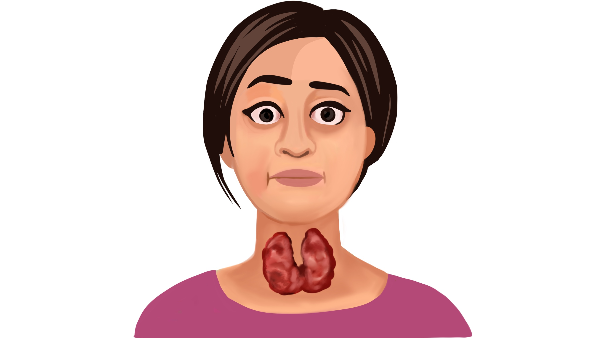
Examination of the neck region was done. O/E swelling in the neck region was present.
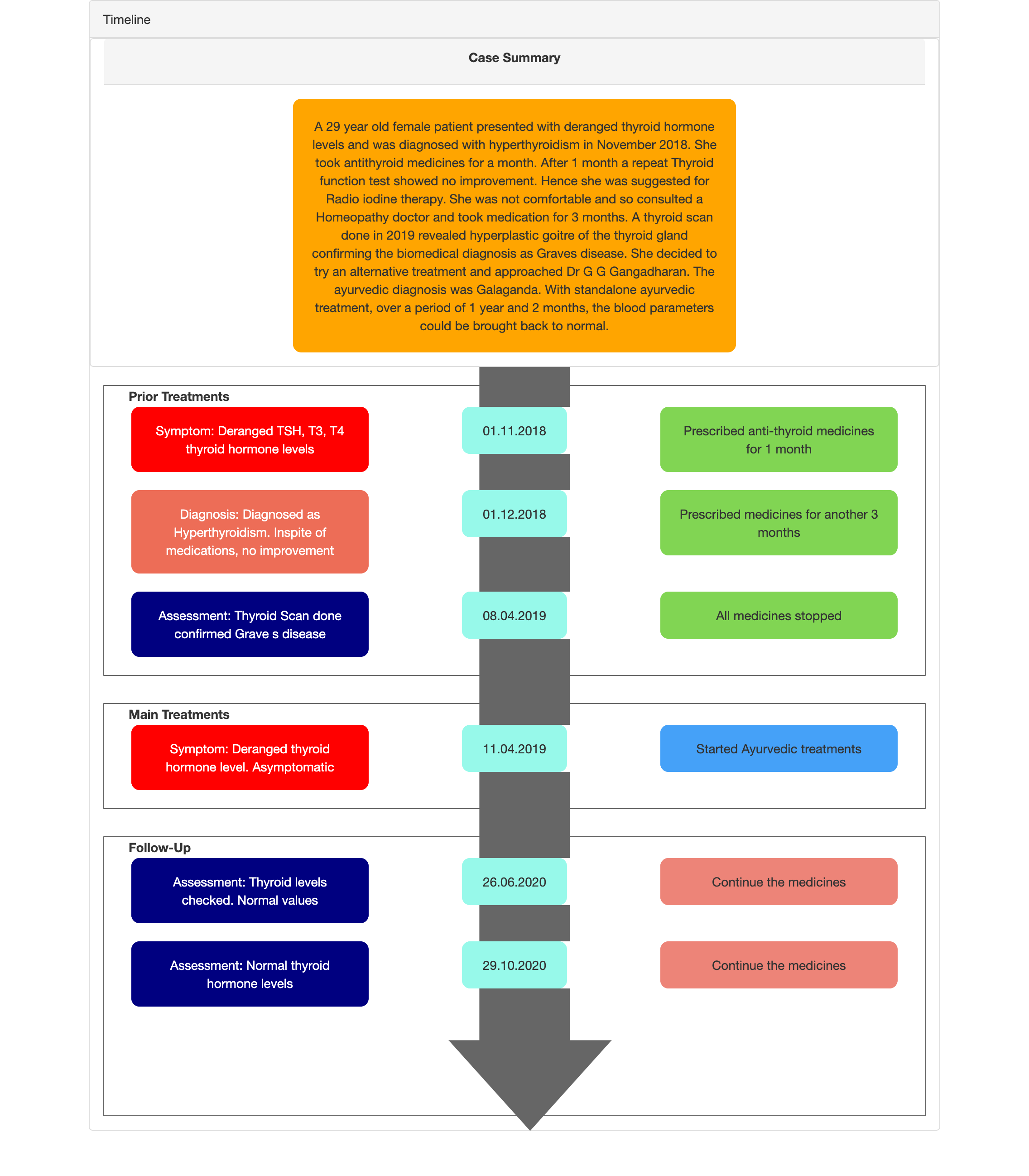
TIMELINE
Image 1. Timeline of events to be added
DIAGNOSTIC ASSESSMENT
Modern Diagnostic parameter: The biomedical diagnosis was confirmed with blood tests and thyroid scan.
Image 2. Investigations at baseline- Thyroid scan dated 2019 added below
Image 3. Blood parameters during treatment from June to December 2019 were added below
Ayurvedic Assessment was done based on the investigation reports and the clinical evaluation by the ayurvedic physician.
Differential Diagnosis- The diagnosis was confirmed with blood tests and a thyroid scan.
Prognosis- Grave’s disease is a progressive condition that needs medical care. The condition could be managed only with timely medical care and observation. With the initiation of the standalone ayurvedic treatment, the patient the deranged thyroid levels became normal within a period of 1 year and 2 months.
THERAPEUTIC INTERVENTION
See the tab ‘Treatment details’
FOLLOW-UP AND OUTCOMES
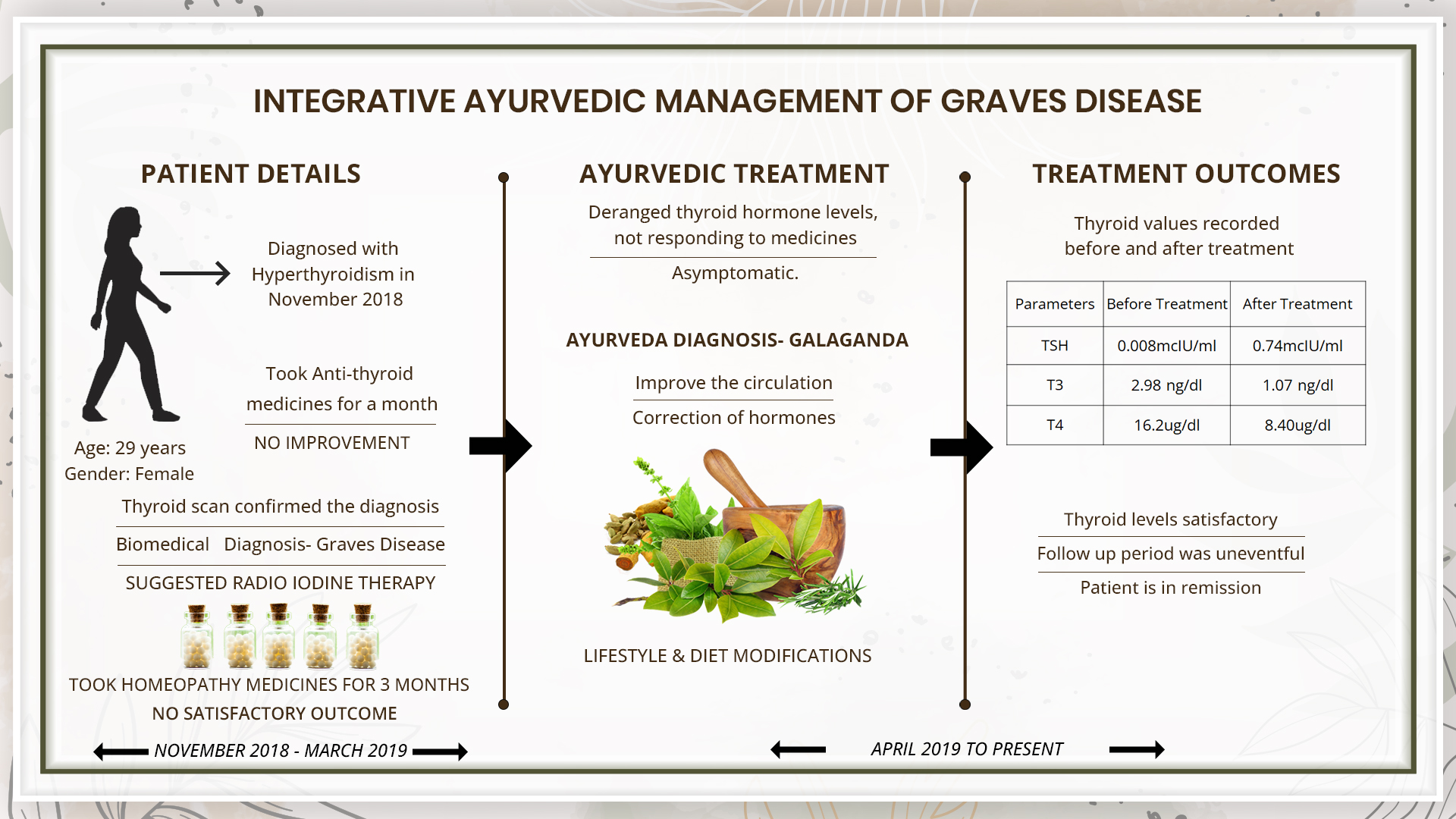
Clinician-based assessment; Routine laboratory investigations were within normal limits. T3, T4 and TSH levels are brought to normal limits with treatment and lifestyle modification. Follow up period was uneventful, and the patient achieved complete remission
Patient-assessed: Not relevant.
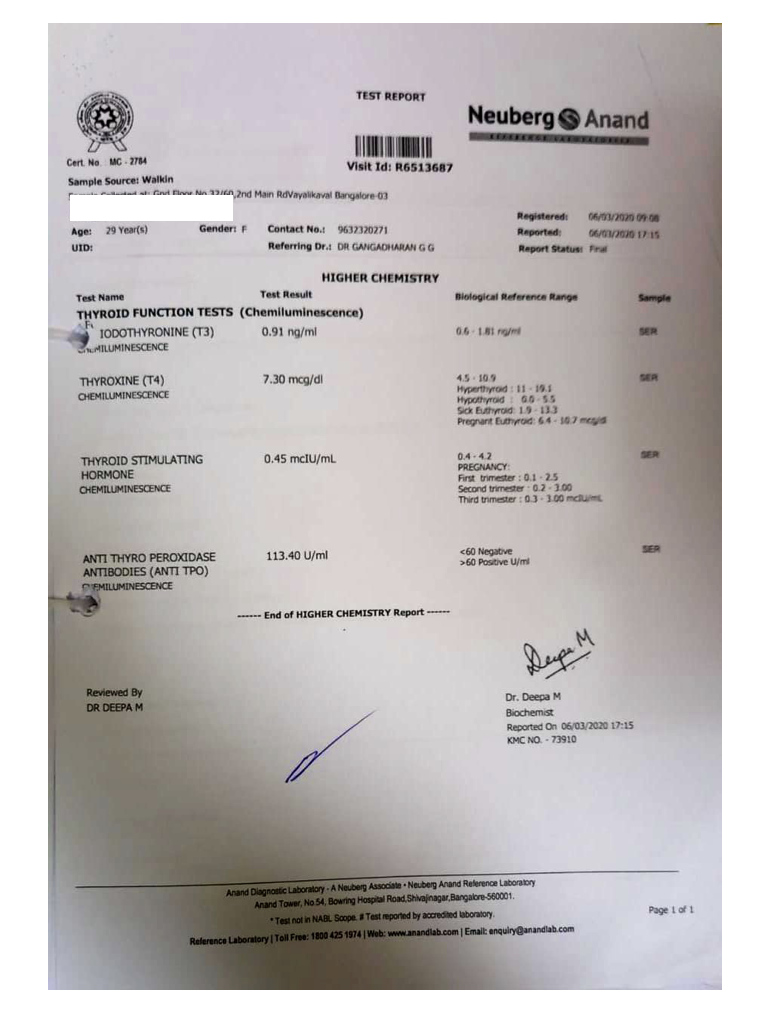
Table 1. The thyroid values recorded pre and post-ayurvedic treatment are added below
Image 4. Thyroid value after treatment added below
Intervention adherence and tolerability – The patient adhered to the prescribed treatments and tolerated the treatments well.
Method of assessment- By monitoring the patient and the thyroid levels.
Adverse and unanticipated events; None reported.
DISCUSSION ;
Snehapana followed by abhyanga, bashpa sweda and virechana improved blood circulation and hormonal correction to a certain extent. Gayatryadi and Trayantyadi kashaya targeted improved immunity and dhatu satmya. Simhanada guggulu, Tonsari cap, Varunadi ghritam and thryroflux targeted preventing the enlargement of the gland.
PATIENT’S PERSPECTIVE
Not available.
LEARNING POINTS/TAKE-HOME MESSAGES
This case report highlights the efficacy of standalone ayurvedic management of Grave’s disease which was suggested for Radio iodine therapy. The patient is now able to lead a normal life as she continues with the ayurvedic treatment. Regular follow-up was continued for a time period of 1 year and 10 months. The blood levels were stable to date.
INFORMED CONSENT
Written consent was obtained from the patient to publish the case report.
CONFLICT OF INTEREST
None declared.
FUNDING
None
REFERENCE
- Smith TJ, Hegedüs L. Graves' Disease. N Engl J Med. 2016 Oct 20;375(16):1552-1565. doi: 10.1056/NEJMra1510030. PMID: 27797318.
- Susruta Samhita. Nidana sthana. 11
Image 1. Timeline
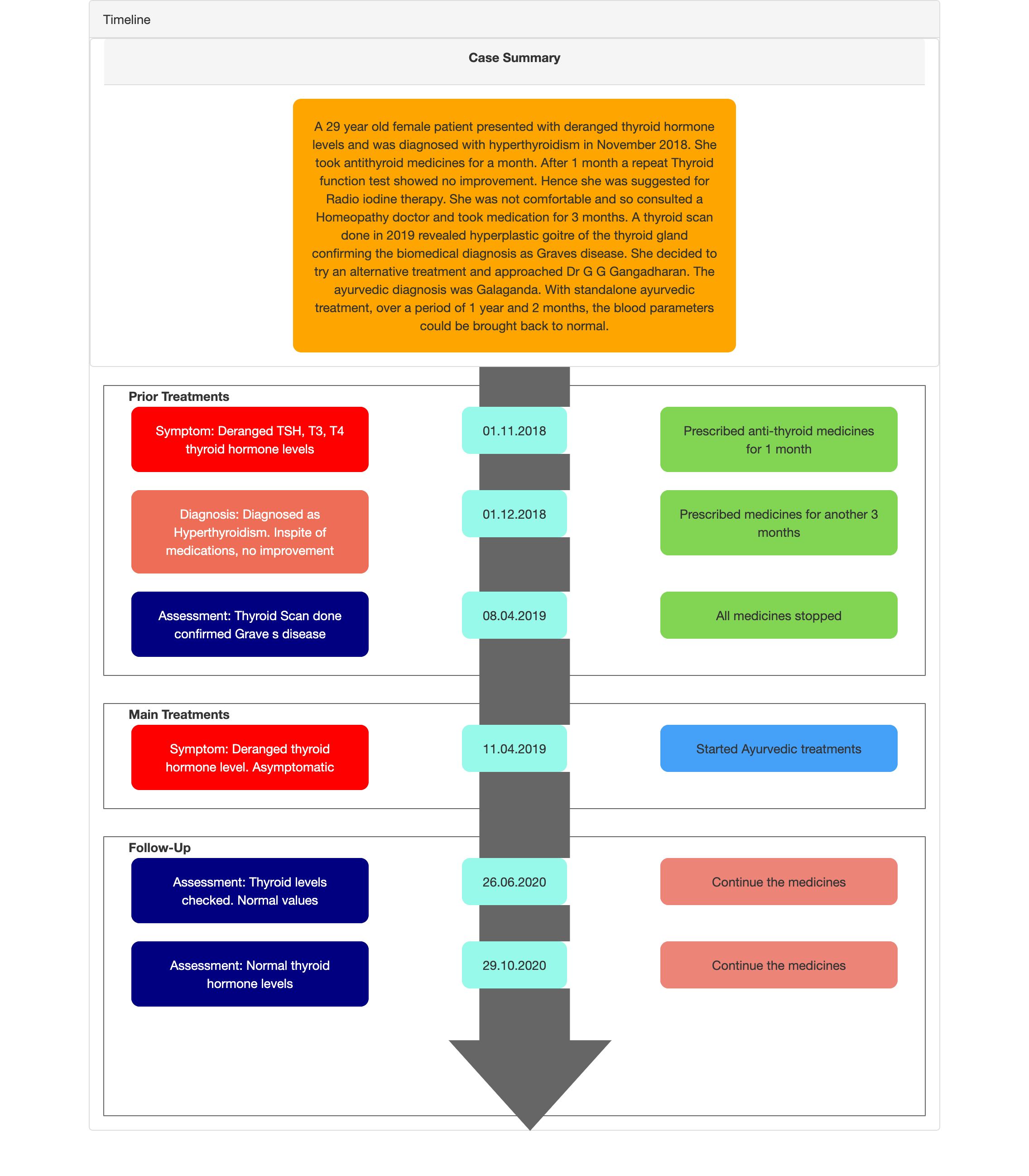
Image 2. Investigations at baseline Thyroid scan dated 2019
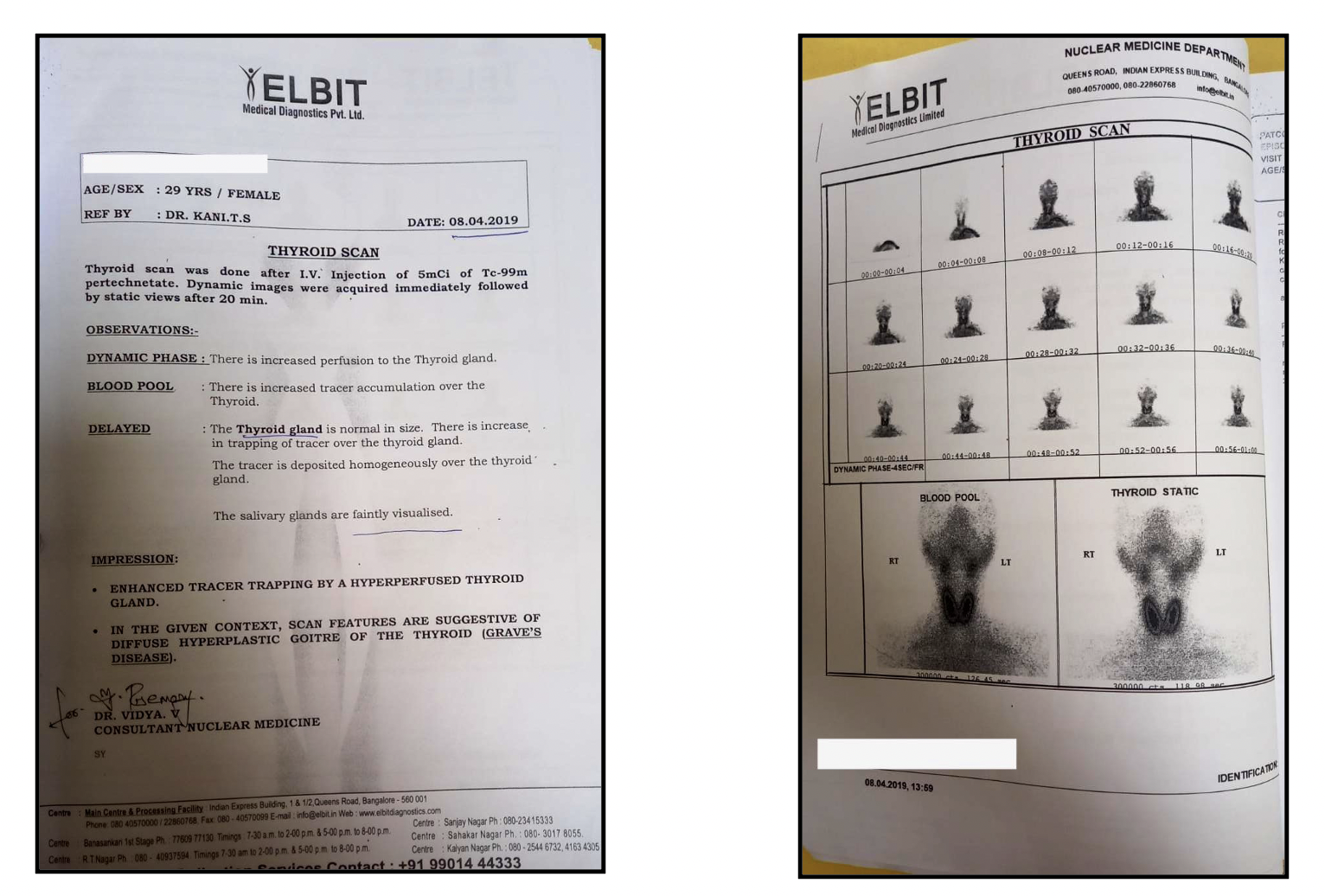
Image 3. Blood parameters during treatment from June to December 2019
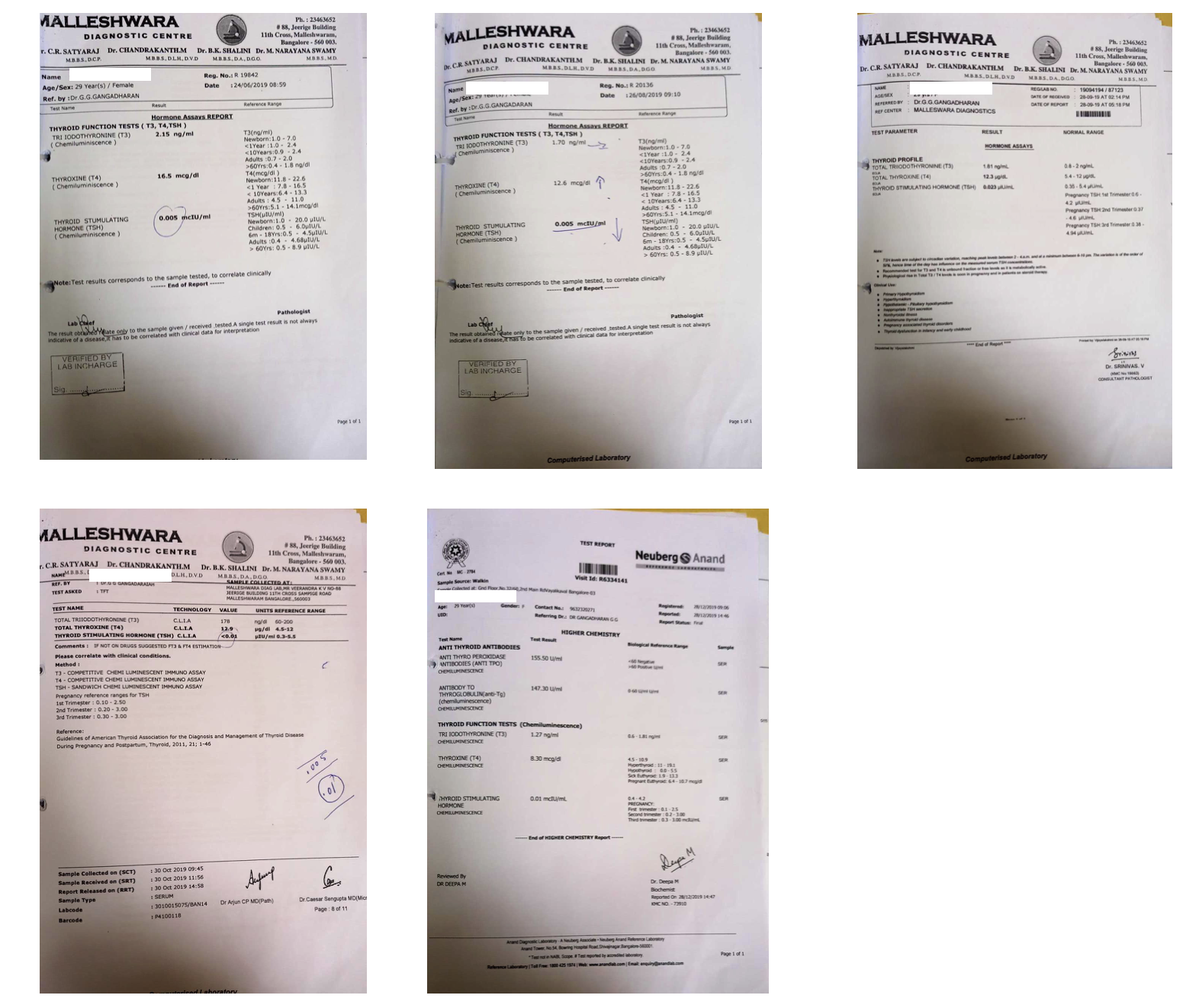
Table 1. The thyroid values recorded pre and post-ayurvedic treatment are added below
TSH
T3
T4
Before treatment
0.008mcIU/ml
2.98 ng/dl
16.2ug/dl
After treatment
0.74mcIU/ml
1.07 ng/dl
8.40ug/dl
Image 4. Thyroid value after treatment
-
Immersive Learning
-
Modern Diagnosis
BIOMEDICAL DIAGNOSIS: Graves Disease
ABOUT THE DISEASE:
Graves' disease is an autoimmune disease that primarily affects the thyroid gland. It may also affect multiple other organs, including the eyes and skin. It is the most common cause of hyperthyroidism.
Graves' disease is caused by thyroid-stimulating immunoglobulin (TSI), a thyroid-stimulating antibody (TSAb). B lymphocytes primarily synthesize Thyroid stimulating immunoglobulin within the thyroid cells, but it can also be synthesized in lymph nodes and bone marrow. B lymphocytes are stimulated by T lymphocytes which get sensitised by antigens in the thyroid gland. Thyroid-stimulating immunoglobulin binds with the thyroid-stimulating hormone (TSH) receptor on the thyroid cell membrane and stimulates the action of the thyroid-stimulating hormone. It stimulates thyroid hormone synthesis and thyroid gland growth, causing hyperthyroidism and thyromegaly.
Pathogenesis of other rare manifestations of Graves disease like pretibial myxedema and thyroid acropachy is poorly understood and is believed to be due to cytokine-mediated stimulation of fibroblasts. Many symptoms of hyperthyroidism like tachycardia, sweating, tremors, lid lag, and stare are thought to be related to increased sensitivity to catecholamine.
Prognosis
This condition is not completely curable. The patients mostly require hormone replacement therapy. Some patients may develop a recurrence of hyperthyroidism after ablation, and another therapy with radioactive iodine is needed. While antithyroid drugs do control the symptoms, they do not cure the disease, so relapses are common. The condition is best addressed with radioactive iodine.
In this case, the patient was diagnosed with a hyperthyroid in November 2018 and took anti-thyroid medication for one month. After a month, a repeat thyroid blood investigation was done, and the result did not show any improvement. She was suggested for Radioiodine therapy. As the patient was unwilling to do radioiodine therapy. The biomedical diagnosis was Grave’s disease based on the thyroid scan. She took Homeo medicine for 3 months, but there was no improvement in the condition with the treatment. She opted for Ayurvedic medicines.
Diagnostic criteria
Some of the common diagnostic parameters used are as follows:
1. Measurement of TSH receptor antibody (TRAb)
2. Radioactive iodine uptake scan with I-123 or I-131
3. Thyroid Ultrasonogram with Doppler
4. T3/T4 ratio greater than20 (ng/mcg) or FT3/FT4 ratio greater than 0.3 (SI unit) suggests Graves disease
Image 1. Baseline evaluation Thyroid scan dated 8.4.2019 added below
-
Ayurveda Diagnosis
ABOUT THE DISEASE: Galaganda
About the disease:
Galaganda is the name given to a disease that presents in the form of swelling in front of the neck. Gala means neck or throat. Ganda is used to describe a swelling that occurs in front of the neck.. Slight swelling may look like a button, but a large swelling can look like a cheekbone or filled bladder.
This condition is often compared to goitre, associated with thyroid-related disorders.
A clearly defined swelling that appears in the neck, either big or small in size, is called Galaganda.
Acarya Bhoja defines a big or small swelling in the lower jaw, nape of the neck or neck, is elongated and suspends pendulously as galaganda.
Acarya Caraka mentioned Galaganda in the context of Shvayathu Cikitsa (12th chapter). He defines Galaganda as a single swelling occurring on the side of the neck. When the swellings are many, it will be called Gandamala, i.e. a garland of swellings.
Samprapti – Pathogenesis
The vitiated vata, kapha and meda, reach the neck and nape of the neck. After getting lodged therein, they cause swelling in the neck, gradually developing with their respective symptoms. This is called Galaganda.
Lakshana
निबद्ध:श्वयथुर्यस्य मुष्कवल्लम्बते गले
महान् वा यदि वा ह्रस्वो गलगण्डं तमादिशेत्|| (Su.Ni. 11.31)
Big or small swelling that gets adhered firmly over the neck region (gala) resembles the shape of a scrotal sac.
Prognosis
Galaganda is said to be incurable or have a bad prognosis in the presence of the below-mentioned conditions –
- The patient is feeling difficulty in breathing
- Smoothness and looseness of body parts
- Disease existing for one year
- Presence of anorexia
- When the condition is associated with depletion of tissues
- Presence of hoarseness of voice
According to Caraka, this condition is curable. But when it is associated with complications like rhinitis, pain in the flanks, cough, fever, and vomiting.
Treatment
- Siravedha – vein puncture
- Purgation
- Nasal drops
- Medicated smoking
- Oral consumption of ghee
Internal medicine
Some of the common internal medicines used by physicians are Jalakumbhi Bhasma, Tiktaka alabu, Amrtadi Taila, Mandura Bhasma.
External application
Some commonly used external applications are Sarshapadi Lepa and Suryavartadi Upanaha.
In this case report, the physician clinically diagnosed the condition as galaganda. The patient was completely asymptomatic, and deranged thyroid levels were detected during a routine health check-up. A thyroid scan done confirmed the diagnosis. Here the physician planned the treatment to improve blood circulation and correct the hormone imbalance.
-
Treatment
Name of Medicine Dosage Form Dosage Mode of Administrtation From - To (Date) Medicine Reference Hamsapadi kashayam + Kanchanara guggulu Kashayam + tablet 15 ml + 500 mg, twice daily Oral, with 45 ml of water, before breakfast and dinner 2019-04-11 - 2019-09-29 Hamsapadi kashayam - Bhavaprakasha nighantu Kanchanara guggulu - Bhaishajya Ratnavali. 44 Gayatrayadi kashatyam + Simhanadha guggulu Kashayam + tablet 15 ml + 500 mg, twice daily Oral, with 45 ml of water, after breakfast and dinner 2019-04-11 - 2019-09-29 Gayatrayadi kashatyam - Astanga hridayam Simhanadha guggulu - Bhaishajya ratnavali. Amavata Adhikara.130-135 Tonsari cap Capsule 1g, twice daily Oral, at 11 am & 5 pm 2019-04-11 - 2019-08-27 Ayurvedic proprietary medicine Varunadi ghritam Ghritam 1 tsp, at bedtime Oral, with warm water 2019-04-11 - 2019-08-27 AH.Su.15.21-22 Bhedinatha Tablet Twice daily 2-0-1 Oral, 7am & 7pm 2019-04-29 - 2019-05-26 Ayurvedic proprietary medicine Thyroflux Capsule Twice daily 1-0-1 Oral, 7am & 7pm 2019-05-27 - 2020-05-13 Ayurvedic proprietary medicine Trayantyadi kashayam + Simhandha guggulu Kashayam + tablet 15 ml + 500 mg, twice daily Oral, with 45 ml of water, after breakfast and dinner 2019-06-26 - 2019-07-26 Trayantyadi kashatyam - Sahasrayogam Simhanadha guggulu - Bhaishajya ratnavali Hinguvachadi churnam Churnam 1tsp, once daily Oral, with warm water just before breakfast 2019-07-27 - 2019-08-26 Astanga Hridayam, kalpasthana 13th chapter Gayatryadi kashayam + Kaishora guggulu Kashayam + tablet 15 ml + 500 mg, twice daily Oral, after food 2019-07-27 - 2019-08-26 Gayatryadi kashayam - Astanga Hridayam sidhi sthana 8th chapter Kaishora guggulu - Bhaishajya ratnavali, Vatavyadhi Chikitsa Nonganadi Tailam Tailam 1/2 tsp Oral, with warm water at bed time 2019-07-27 - 2019-08-26 Sahasrayogam, Taila prakaranam Shivagulika Tablet 1-0-0 Oral, at 5 pm 2019-07-27 - 2020-08-27 Bhaishajya ratnavali, Krimi Chikitsa- 28th chapter Enzorus plus Tablet 1 tab Oral, at 6am 2019-08-27 - 2019-09-29 Ayurvedic proprietary medicine Guduchi phantam Phantam 75 ml Oral, at 7 am empty stomach 2019-09-30 - 2019-10-21 Sarngadhara Samhita, Madhyama khanda 6th chapter Varanadi kashayam tablet Tablet 2 tablets, twice daily Oral, 15 minutes before food 2019-09-30 - 2020-05-14 Patent & proprietary medicine Varunasava Asavam 30 ml, twice daily Oral, after food 2019-09-30 - 2020-05-14 Bhaishajyaratnavali, Ksharapaka Vidhi- 29th chapter G T Capsule Capsule 2 capsules Oral, at bed time 2019-09-30 - 2020-12-28 Ayurvedic proprietary medicine Tiktaka ghritam Ghritam 1 tsp Oral, with warm water at bed time 2019-12-29 - 2020-05-13 Astanga Hridayam, Sutrasthana -16th chapter Jeevamrutha Syrup 1 tsp Oral, with warm water bed time 2020-05-14 - 2022-09-08 Ayurvedic proprietary medicine Groo tablet Tablet 1 tablet, twice daily Oral, at 11 am & 4 pm 2020-05-14 - 2020-09-08 Ayurvedic proprietary medicine Indhukantha ghritam Ghritam 1 tsp Oral, with warm water at bed time 0010-02-17 - 2020-10-20 Sahasrayogam, ghrita prakarana Indhukantham kashayam tablet Tablet 2 tablets, twice daily Oral, 15 minutes before food 2020-02-17 - 2020-10-20 Sahasrayogam, Kashaya prakarana Amritotharam kashayam + dooshivishaari gulika Kashayam + tablet 15 ml + 500 mg, twice daily Oral, with 45 ml of water, at 11am & 6pm 2020-10-21 - 2020-12-31 Amritotharam kashayam- Sahasrayogam Dooshivishari gulika - Astanga hridayam. uth. 35/39 Stay bio Tablet 1 tab Oral, at 5 pm 2020-12-14 - 2021-01-08 Ayurvedic proprietary medicine Snehapana with Varunadi ghritam Ghritam 30ml Oral 0020-12-13 - 2020-01-15 AH.Su.15.21-22 Sarvanga abhyanga followed by bashpasweda + utkleshana diet As required External application 2020-01-20 - 2020-12-21 Virechana with Mishraka Sneha 10 ml Oral, Sneha followed by warm milk 2020-01-22 - 2020-01-22 Mishraka Sneha- AH.Ci.14.89-90 Karutha Vati tab powder + lemon juice lepam As required External application on the neck region (goitre area) after warming it daily night time and wash in the morning 2020-01-22 - 2022-01-22 Karutha Vati- Sahasrayogam - Vati Prakarana Kayyonyadi tailam As required Apply on scalp 1/2 an hour before head bath 2020-01-22 - 2022-01-22 Sahasrayogam, Taila prakaranam Nonganadi Tailam As required Apply on forehead /2 an hour before head bath 2020-01-22 - 2022-01-22 Sahasrayogam, Taila prakaranam -
Outcome Measures
Clinical outcome
A 29-year-old female patient presented with deranged thyroid hormone levels and was diagnosed with hyperthyroidism in November 2018. She took antithyroid medicines for a month. After one month, a repeat Thyroid function test showed no improvement. Hence she was suggested for Radioiodine therapy, but the patient was not comfortable starting the treatment. And she consulted a homoeopathy doctor and took medication for three months. A thyroid scan revealed hyperplastic goitre of the thyroid gland and the biomedical diagnosis was confirmed as Grave s disease.
And finally, she approached Dr G G Gangadharan for consultation. With treatment and lifestyle modification, T3, T4, and TSH levels are brought to normal limits. Follow up period was uneventful, and the patient achieved complete remission.
The blood parameters at the endpoint and follow-up were satisfactory.
Table 1. The thyroid levels pre and post-treatment documented added below (Before treatment- as recorded by the physician)
Table 2. The thyroid values documented during treatment and follow-ups are added below
Disease-modifying effect: The patient achieved complete remission.
Image 1. A thyroid scan dated 8.4.2019 added below
Table 1. The thyroid levels pre and post-treatment
TSH
T3
T4
Before treatment
0.008mcIU/ml
2.98 ng/dl
16.2ug/dl
After treatment
0.74mcIU/ml
1.07 ng/dl
8.40ug/dl
Table 2. Thyroid values recorded during treatment are added below
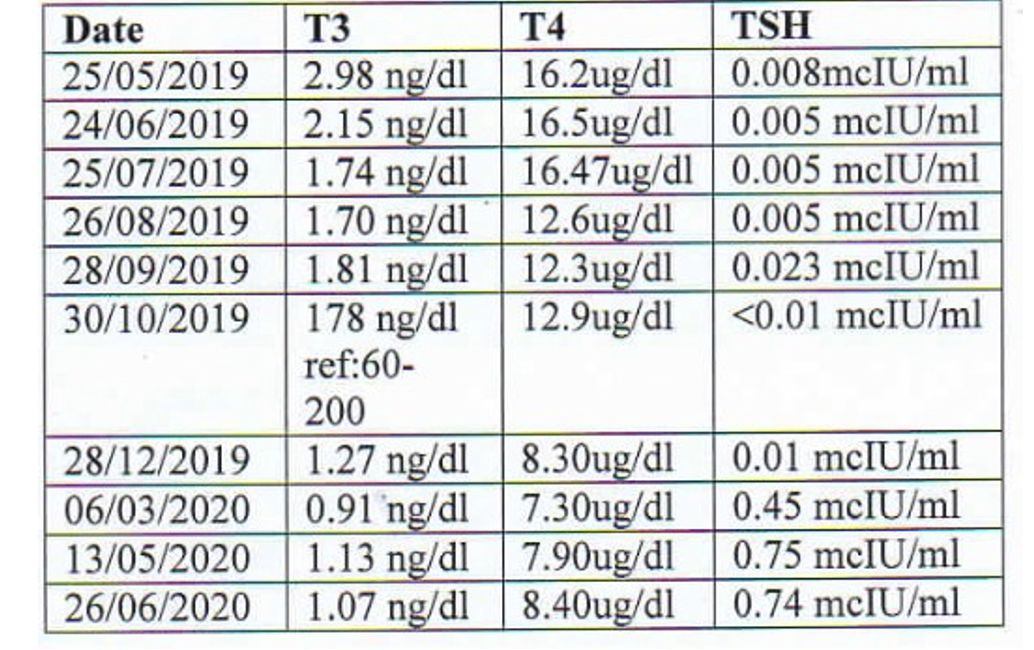
Image 2. Thyroid value recorded at the endpoint
-