Featured Case
-
Abstract
A 63-year-old male patient had a history of varicose vein since many years. Now he was suffering from a non-healing wound in the lateral aspect of heel with severe pain in the left leg past 3 years. This was diagnosed as Varicose ulcer. Wound dressing with medicated strips used to be done. This gave only temporary relief, and the complaints would again recur. After 3 years of onset of symptoms, the patient consulted Dr Soumya, who diagnosed this clinical condition as dushta vrana. The line of treatment followed was jalauka avacarana for rakta shodhana, and inner medications for pacifying the pitta and healing the vrana. A significant reduction in pain was observed after the first and second sitting of Jalaukavacarana. In the third follow-up after 4 months of Ayurvedic treatment, the wound healed completely and there was no pain and oedema. The patient is in remission.
-
Summaries
-
Listen
-
Watch
-
View
-
Read
A 63-year-old male patient had a history of varicose vein since many years. Now he was suffering from a non-healing wound in the lateral aspect of heel with severe pain in the left leg past 3 years. This was diagnosed as Varicose ulcer. Wound dressing with medicated strips used to be done. This gave only temporary relief, and the complaints would again recur. After 3 years of onset of symptoms, the patient consulted Dr Soumya, who diagnosed this clinical condition as dushta vrana. The line of treatment followed was jalauka avacarana for rakta shodhana, and inner medications for pacifying the pitta and healing the vrana. A significant reduction in pain was observed after the first and second sitting of Jalaukavacarana. In the third follow-up after 4 months of Ayurvedic treatment, the wound healed completely and there was no pain and oedema. The patient is in remission.
-
-
Timeline
-
Tabulated Summary
-
Narrative
TITLE OF CASE
Standalone successful ayurvedic management of varicose ulcer - A case report
Dr Soumya Rajeesh
ABSTRACT
A 63-year-old male patient had a history of varicose vein since many years. Now he was suffering from a non-healing wound in the lateral aspect of heel with severe pain in the left leg in the last 3 years. This was diagnosed as Varicose ulcer. Wound dressing with medicated strips used to be done. This gave only temporary relief, and the complaints would again recur. After 3 years of onset of symptoms, the patient consulted Dr Soumya, who diagnosed this clinical condition as dushta vrana. The line of treatment followed was jalauka avacarana for rakta shodhana, and inner medications for pacifying the pitta and healing the vrana. A significant reduction in pain was observed after the first and second sitting of Jalaukavacarana. In the third follow-up after 4 months of Ayurvedic treatment, the wound healed completely and there was no pain and oedema. The patient is in remission.
KEYWORDS
Varicose vein, ulcer, varicose ulcer, dustavrana, case report, standalone
INTRODUCTION
The venous ulcer is an irregularly shaped wound, initially superficial but with the potential to deepen, with well-defined borders. The surrounding skin is erythematous or hyperpigmented with variable degrees of induration. Yellowish exudate is usually observed. The size and site of ulcers vary, but they usually occur in the distal portion of the lower limbs. Varicose veins and ankle oedema are common. Venous ulcer is typically not painful. When the patients have severe pain, one should consider the possibility of another cause of the ulceration, such as arterial disease`
Diagnosis: Diagnosis is based on classical clinical presentation of venous ulcer and on supporting examinations. Non-invasive examinations such as Doppler, plethysmography, and duplex scanning are used to characterize venous abnormalities.
Treatment: The target of treatment is to heal the lesion and to avoid a recurrence. Wound care is very important. Surgical removal of fibrin and devitalized tissue from the base and the borders of the ulcer is needed. This procedure reduces the risk of infection and favours healing. Afterwards the wound must be kept humid by using occlusive dressing, for instance hydrocolloid dressings, hydro gels and alginate, which favour autolytic debridement. If there is a suspicion of infection, that has to be addressed. The patient did regular wound dressing with medicated strips. This gave only temporary relief, and the complaints would again recur.
Prognosis: The main complications of chronic venous ulcers are osteomyelitis and more rarely neoplastic transformation, i.e. squamous cell carcinoma (SCC). Leg ulcers of atypical presentation (elevated and everted boarders, with excessive production of exudate and necrotizing tissue) and those that fail to heal can acquire a malignant status. In this patient, there is a long history of varicose vein and varicose ulcer since 3 years, that did not yield a satisfactory outcome with conventional medicines.
PATIENT INFORMATION
A 63-year-old male patient had a history of varicose vein since many years. Now he was suffering from a non-healing wound in the lateral aspect of heel with severe pain in the left leg in the last 3 years.
Medical History: This was diagnosed as Varicose ulcer. Wound dressing with medicated strips used to be done. This gave only temporary relief, and the complaints would again recur. After 3 years in 2022, the patient consulted Dr Soumya, who diagnosed this clinical condition as dushta vrana.
Psychosocial History: Patient is stressed due to the disease
CLINICAL FINDINGS/PHYSICAL EXAMINATION
Wound site examination - No pus discharge noted. Open wound with mild oedema and severe pain.
TIMELINE
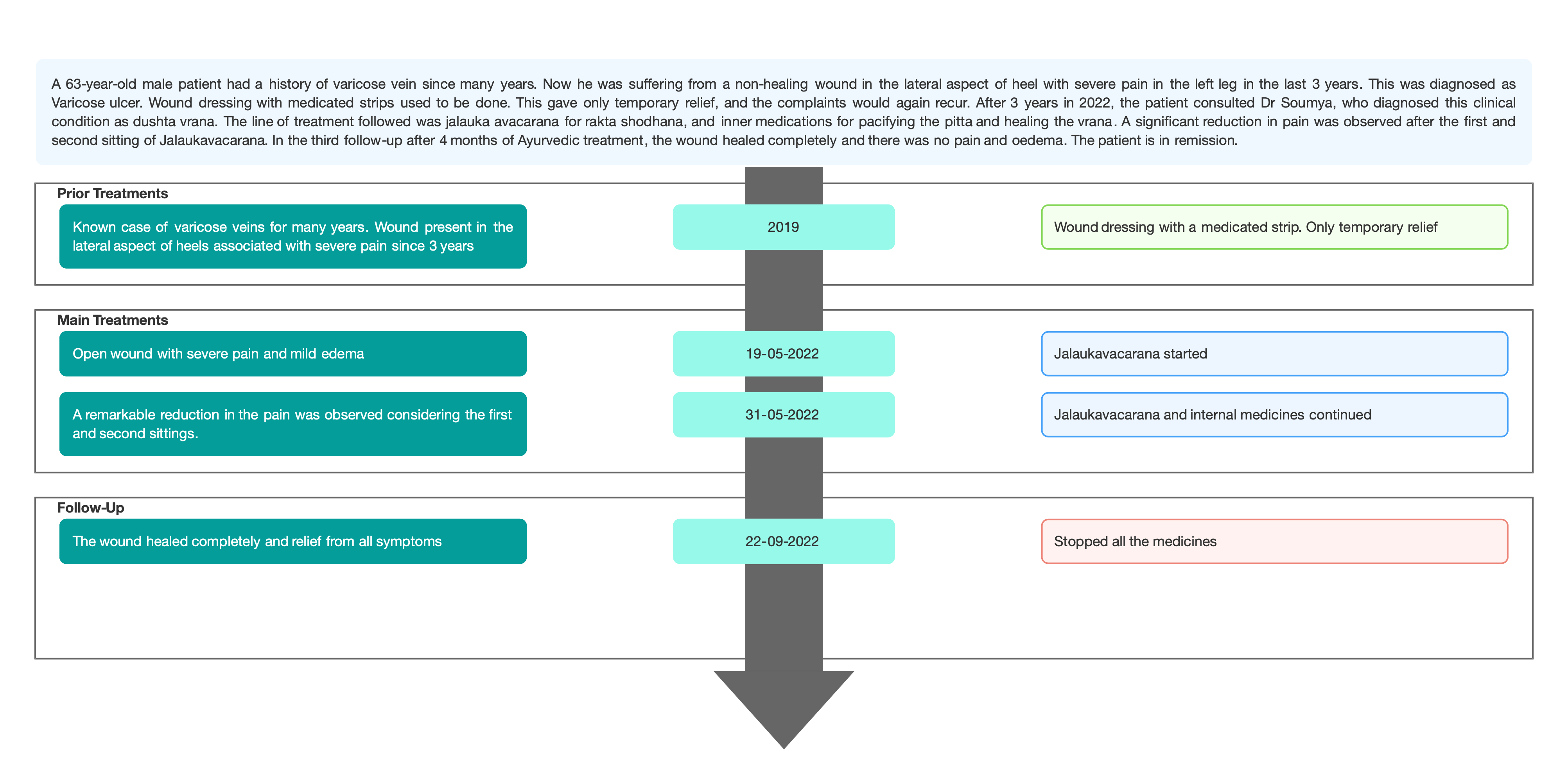
Image 1. Timeline of events attached below
DIAGNOSTIC ASSESSMENT
Modern Diagnostic parameter: Based on the clinical presentation and examination, the biomedical diagnosis was Varicose Ulcer.
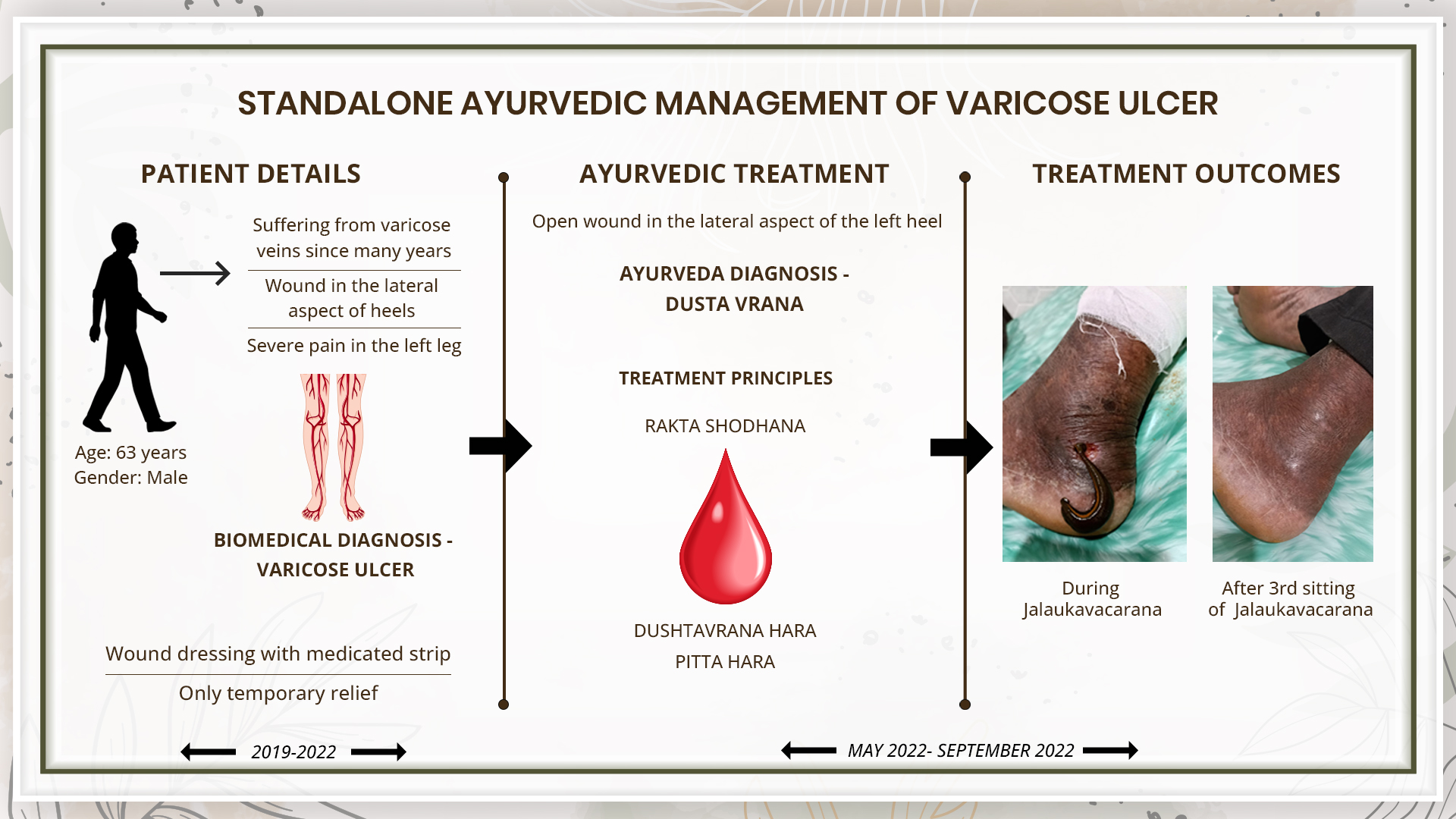
Image 2. The wound in the left lateral heel taken during Jalaukavacaranam added below
Ayurvedic Assessment was done based on the clinical evaluation by the ayurvedic physician.
Differential Diagnosis- This does not apply as the diagnosis was confirmed with history taking and clininical evaluation.
Prognosis- Most venous leg ulcers heal within 3 to 4 months. However, some ulcers may take longer to heal, and a very small number never heal. In this case, the patient had a wound in the lateral aspect of the heels with severe pain in the left leg for 3 years which progressed gradually with its size, depth and intensity of pain. After 4 months of Ayurvedic treatment, the wound healed completely.
THERAPEUTIC INTERVENTION
See the tab ‘Treatment details’
FOLLOW-UP AND OUTCOMES
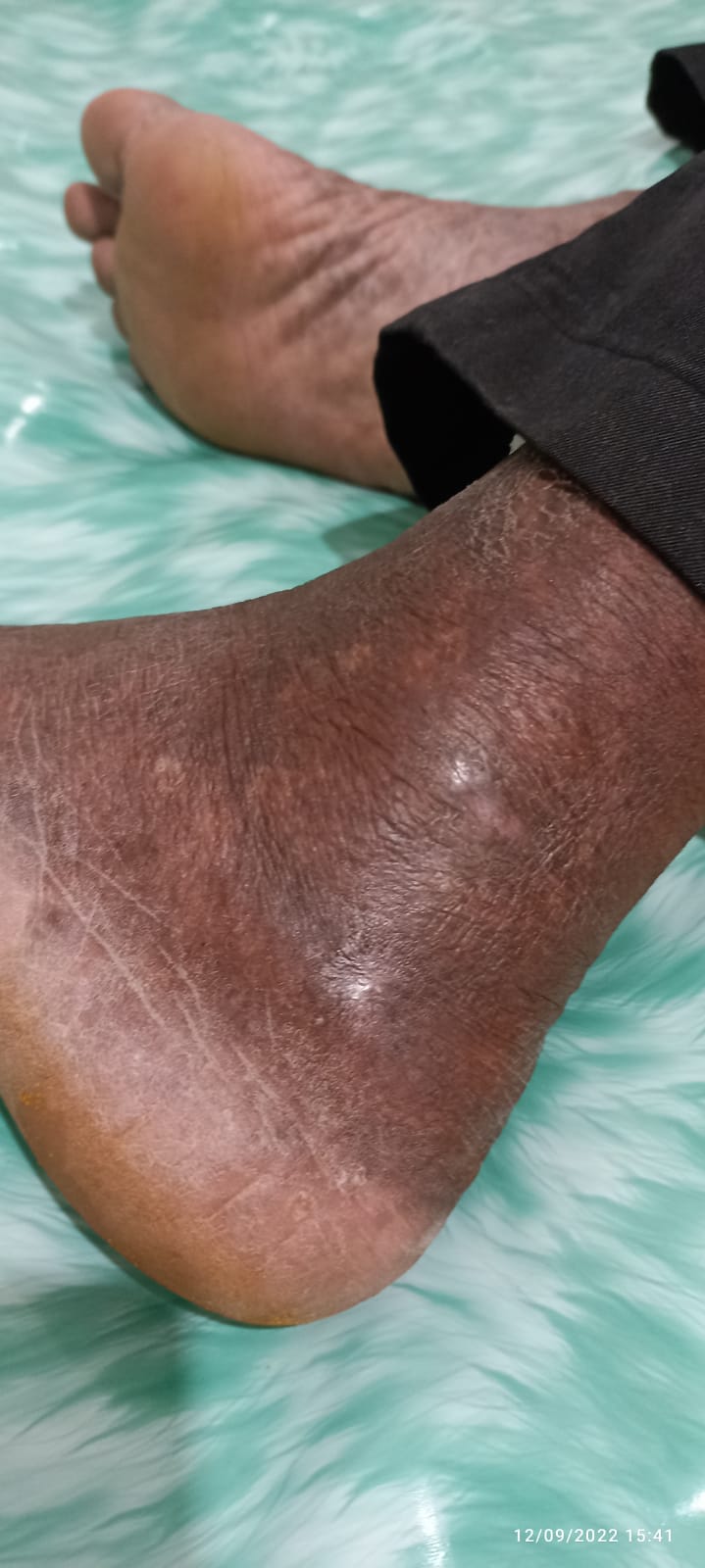
Clinician-based assessment; Remarkable reduction in the pain was observed considering the first and second sitting of Jalaukavacarana. With 4 months of ayurvedic treatment, the wound healed completely.
Image 3. Image of the left heel after the treatment added below
Patient-assessed; Not relevant.
Intervention adherence and tolerability – The patient adhered to the prescribed treatments and tolerated the treatments well.
Method of assessment- By monitoring the patient.
Adverse and unanticipated events; None reported.
DISCUSSION:
As the doshas are deep-seated, to eliminate them completely jalaukavacharana was done. As this condition can be correlated to dusta vrana, initiating the blood purification and circulation was the aim of treatment.
Kaishora guggulu was given to heal the dusta vrana. Sudarshanam Tab is pittahara, cures the infection and acts as an anti-inflammatory agent.Avipatti curnam - is pittahara, initiates mild nitya virechanam to correct the bowels.
Tab Radix was prescribed to increase blood circulation.
Amrita guggulu was prescribed to heal the vrana as an anti-inflammatory agent, and also to control infection.PATIENT’S PERSPECTIVE
Not available.
LEARNING POINTS/TAKE-HOME MESSAGES
A 63-year-old male patient presented with a chronic non-healing varicose ulcer in the lateral aspect of the left heel with severe pain and oedema for 3 years. The size, depth and intensity of the wound were gradually increasing and got only temporary relief, with allopathic medicines. After 12 days of treatment, there was a remarkable reduction in pain. With 4 months of treatment, the wound healed completely. This case report demonstrates the successful management of a chronic non healing wound that was progressive in nature and not satisfactorily responding to the conventional medicine.
INFORMED CONSENT
Written consent obtained from patient to publish the case report.
CONFLICT OF INTEREST
None declared.
FUNDING
None
REFERENCE
1. Venous ulcer: epidemiology, physiopathology, diagnosis and treatment. Luciana P Fernandes Abbade , Sidnei Lastória. Int J Dermatol 2005 Jun;44(6):449-56. doi: 10.1111/j.1365-4632.2004.02456.x
2. Vagabhata, Astanga sangraha, Atridev Gupta, Krishnadas Academy, Varanasi UP Ed., 1993; 846:225.35.
3. Madhavakara, Madhavanidan With MadhukoshaCommentary By Vijayarakshita And Srikant Data,Vinal Madhukar Hindi Commentary By Dr.Brahmanand Tripathi Choukhamba SanskritSansthan, Varanasi, 520:
Image 1. Timeline of events added below
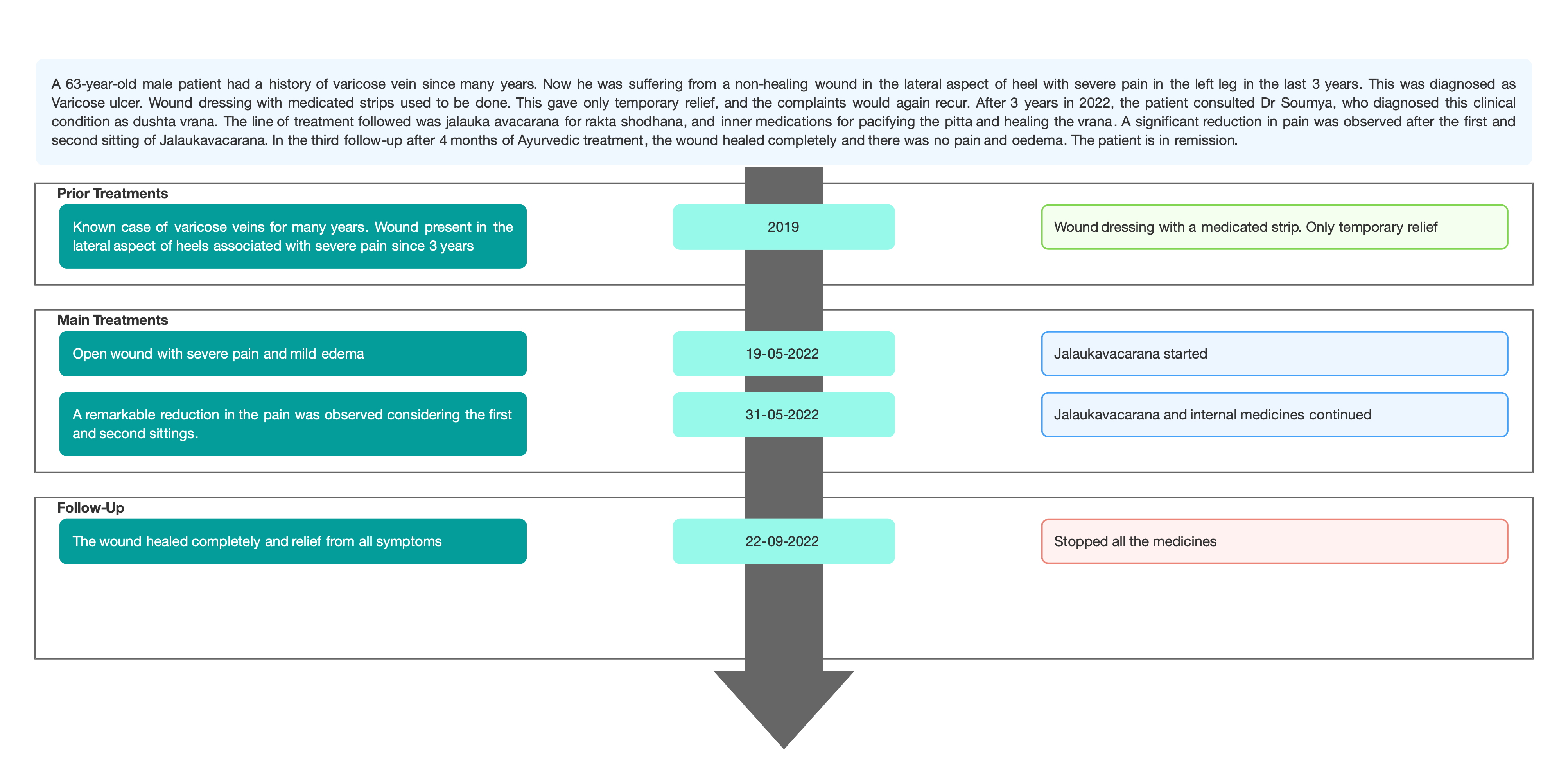
Image 2. The wound in the left lateral heel taken during Jalaukavacaranam
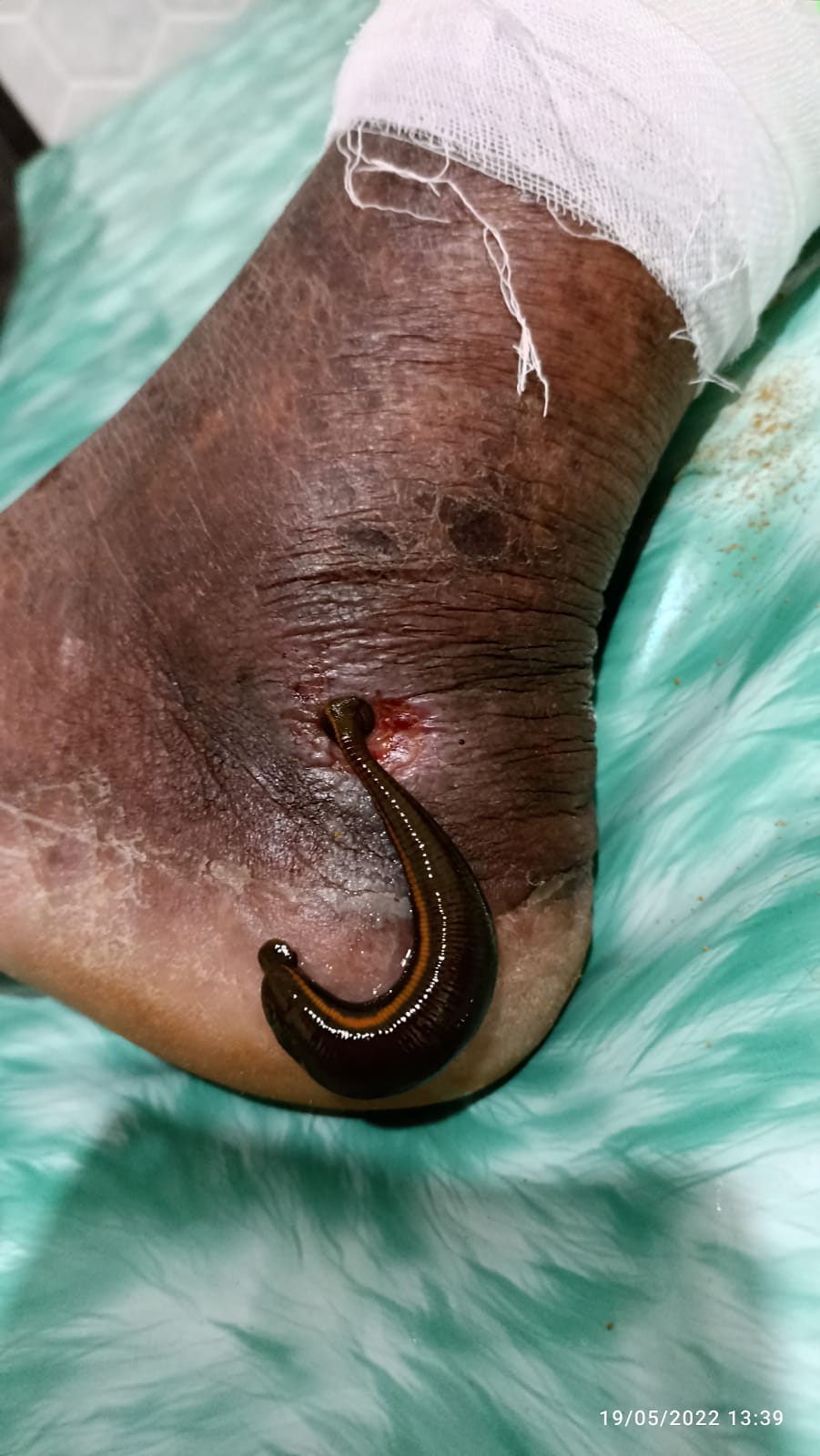
Image 3. Image of the left heel after the treatment
-
Immersive Learning
-
Modern Diagnosis
BIOMEDICAL DIAGNOSIS: Varicose ulcer
ABOUT THE DISEASE:
Venous ulcer is a severe clinical manifestation of chronic venous insufficiency (CVI). It is responsible for about 70% of chronic ulcers of the lower limbs, i.e. those which do not heal within 6 weeks. Other causes of chronic ulcers include arterial insufficiency, diabetes mellitus, rheumatoid arthritis, trauma, chronic osteomyelitis, sickle cell disease, vasculitis, and skin tumor. Nearly 3.5% of patients do not have the cause of ulceration identified and in some cases the cause is multifactorial.
“Varicose ulcer”, “gravitational ulcer”, “stasis ulcer” and “hypostatic ulcer” have been used as synonyms for venous ulcer. It is not recommended that these terms be used as the commonly agreed upon term is “venous ulcer”.
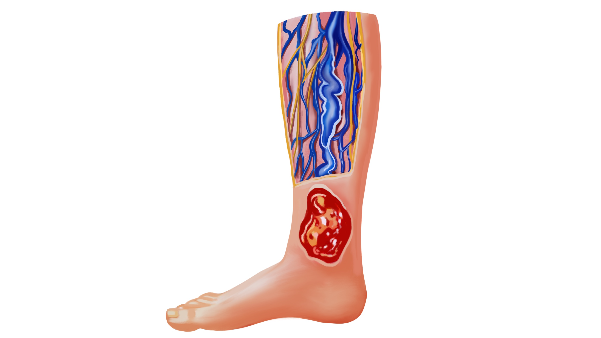
The venous ulcer is an irregularly shaped wound, initially superficial but with the potential to deepen, with well-defined borders. The surrounding skin is erythematous or hyperpigmented with variable degrees of induration (acute or chronic lipodermosclerosis). Yellowish exudate is usually observed. The size and site of ulcers vary, but they usually occur in the distal portion of the lower limbs. Varicose veins and ankle oedema are common. Venous ulcer is typically not painful. When the patients have severe pain, one should consider the possibility of another cause of the ulceration, such as arterial disease`
Diagnosis: Diagnosis is based on classical clinical presentation of venous ulcer and on supporting examinations. Non-invasive examinations such as Doppler, plethysmography, and duplex scanning are used to characterize venous abnormalities.
In this case report, a 63-year-old male patient had a history of varicose vein since many years. Now he was suffering from a non-healing wound in the lateral aspect of heel with severe pain in the left leg in the last 3 years. Based on the medical history and clinical evaluation, this was diagnosed as Varicose ulcer.
Image 1. The wound in the left lateral heel taken during Jalaukavacaranam added below
Treatment: The target of treatment is to heal the lesion and to avoid a recurrence. Wound care is very important. Surgical removal of fibrin and devitalized tissue from the base and the borders of the ulcer is needed. This procedure reduces the risk of infection and favours healing. Afterwards the wound must be kept humid by using occlusive dressing, for instance hydrocolloid dressings, hydro gels and alginate, which favour autolytic debridement. If there is a suspicion of infection, that has to be addressed. The patient did regular wound dressing with medicated strips. This gave only temporary relief, and the complaints would again recur.
Prognosis: The main complications of chronic venous ulcers are osteomyelitis and more rarely neoplastic transformation, i.e. squamous cell carcinoma (SCC). Leg ulcers of atypical presentation (elevated and everted boarders, with excessive production of exudate and necrotizing tissue) and those that fail to heal can acquire a malignant status. In this patient, there is a long history of varicose vein and varicose ulcer since 3 years, that did not yield a satisfactory outcome with conventional medicines.
Reference:
Venous ulcer: epidemiology, physiopathology, diagnosis and treatment. Luciana P Fernandes Abbade , Sidnei Lastória. Int J Dermatol 2005 Jun;44(6):449-56. doi: 10.1111/j.1365-4632.2004.02456.x
Image 1. The wound in the left lateral heel taken during Jalaukavacaranam
-
Ayurveda Diagnosis
AYURVEDA DIAGNOSIS: Dusta vrana
ABOUT THE DISEASE:
Ayurveda Diagnosis: Dusta Vrana
About the Disease
The definition of Vrana is:
व्रण गात्र विचूर्णने व्रणयति इति व्रणह….(AH.Utt.25.22)
There is a destruction, break, rupture or discontinuity in the body tissue, it is called as Vrana.
वृणोति यस्मात् रूढे'अपि व्रनवस्तु न नश्यति ।आदेह धारणात्तस्मत्व्रणैत्युच्च्यते ॥
Susruta explains Vrana as that which retains the scar even after complete healing of the wound, and the imprint remains the entire life. (Su.Ci.1.6)
दोषैरधिष्ठितो दुष्टः…..
When it becomes the seat of the vitiated dosa then it is called as Dushta Vrana.
In Dushta Vrana, there is severe pain, profuse discharge having putrified smell, and irregular base and margin.
पूतिगन्धान् विवर्णाञ्च बहुस्रावान्महारुजः॥८३॥
Dushta Vrana is difficult to heal and heals very slowly in spite of the best efforts by Cikitsa Chatuspada.
Lakshanas of Dushta Vrana
तत्रातिसंवृतोऽतिविवृतोऽतिकठिनोऽतिमृदुरुत्सन्नोऽवसन्नोऽतिशीतोऽत्युष्णः
नगन्धात्यर्थदाहपाकरागवेदनावानिति पित्तेन, शेषाः कफेन; उन्मार्गी मुखात् मुखान्तरवान्, उत्सङ्गः कोटरः’ इति चक्रः; कृष्णरक्तपीतशुक्लादीनांवर्णानामन्यतमवर्णो भैरवः पूतिपूयमांससिरास्नायुप्रभृतिभिः पूर्णःपूतिपूयास्राव्युन्मार्ग्युत्सङ्ग्यमनोज्ञदर्शनगन्धोऽत्यर्थंवेदनावान्दाहपाकरागकण्डूशोफपिडकोपद्रुतोऽत्यर्थं दुष्टशोणितास्रावी दीर्घकालानुबन्धी चेतिदुष्टव्रणलिङ्गानि | (Su.Su 22/7)Management of Vrana
Treatment varies depending on the type of vrana and the management is given till the complete removal of scar tissue. In the treatment of nija vrana, i.e., those ulcers which recur due to aggravation of doshas, Sushruta explained the 60 upakrama, Charaka explained 36 upakrama and Vagbhata mentioned 26 upakramas. Seven modalities of Vrana Vimlapana, Avasecana, Upanaha, Patana kriya, Shodhana, Ropana, Vaikritapaham are explained by Acarya Sushruta. Sapta upkrama are a principal line of treatment which is explained in detail as Shashti upakrama.
A 63-year-old male patient presented with a chronic non-healing varicose ulcer in the lateral aspect of the left heel with severe pain and oedema for 3 years. The onset of the wound was before 3 years, which gradually increased in size, depth and intensity of pain. Based on the clinical presentation and evaluation, the ayurvedic diagnosis was made as Dusta vrana.
The patient opted for Ayurvedic treatment, after trying conventional management and did not et satisfactory outcomes.
Treatment rationale: As the doshas are deep-seated, to eliminate them completely jalaukavacarana was done. As this condition has been correlated to dusta vrana, initiating the blood purification and improving the circulation was the aim of treatment.
Kaishora guggulu was given to heal the dusta vrana. Sudarshanam Tab is pittahara, cures the infection and acts as an anti-inflammatory agent. Avipatti curnam is pittahara, initiates mild nitya virecanam to correct the bowels. Tab Radix was prescribed to increase blood circulation.
Amrita guggulu was prescribed to heal vrana as an anti-inflammatory agent, and also to control infection.Reference
- Vagabhata, Astangasangraha, Atridev Gupta,Krishnadas Academy, Varanasi UP Ed., 1993; 846:225.35.
- Madhavakara, Madhavanidan With MadhukoshaCommentary By Vijayarakshita And Srikant Data,Vinal Madhukar Hindi Commentary By Dr.Brahmanand Tripathi Choukhamba SanskritSansthan, Varanasi, 520:
Traditional and contemporary appraisal of dushta vrana w.s.r to venous ulcers. Available from: https://www.researchgate.net/publication/324156242_traditional_and_contemporary_appraisal_of_dushta_vrana_wsr_to_venous_ulcers#fulltextfilecontent[accessed apr 01 2023].
-
Treatment
Name of Medicine Dosage Form Dosage Mode of Administrtation From - To (Date) Medicine Reference Tiktakam kasaya Kasaya 20 ml + 80 ml water 3 times a day, 1 hour before food 2022-05-19 - 2022-06-18 AH.Ci.19 Kaishora guggulu Tablet 2 tablets With the kasaya, twice daily 2022-05-19 - 2022-12-31 Sharangdhara samhita Madhyamakhanda 7/70-81 Tab Sudarsanam DS Tablet 1 With the kasaya, twice daily 2022-05-19 - 2022-06-20 Patent & Proprietary medicine Avipatti curnam Curnam 1/4 tsp With the kasaya, twice daily 2022-05-19 - 2022-06-20 Sahasrayogam. Curna prakaranam Tablet Radix Tablet 2 With the kasaya, twice daily 2022-05-31 - 2022-06-22 Patent & Proprietary medicine Amritha Guggulu Tablet 2 tablets With the kasaya, twice daily 2022-06-22 - 2022-07-07 Bhavaprakasha Madhyama Khanda, Vatarakta Chikitsa Triphala kashaya Kasaya Required quantity Kasaya dhara externa application 2022-05-19 - 2022-09-12 Anubhuta dravya prayoga Manjishtadi kasaya Kasaya 20 ml + 80 ml water 2 times a day, 1 hour before food 2022-06-22 - 2022-12-31 Sahasrayogam, Kasaya prakaranam -
Outcome Measures
OUTCOME MEASURES
A 63-year-old male patient had a history of varicose veins since many years. Now he was suffering from a non-healing wound in the lateral aspect of the heel with severe pain in the left leg past 3 years. This was diagnosed as Varicose ulcer. Wound dressing with medicated strips used to be done. This gave only temporary relief, and the complaints would again recur. After 3 years in 2022, the patient consulted Dr Soumya, who diagnosed this condition as dushta vrana. The line of treatment followed was jalaukavacarana for rakta shodhana, and inner medications for pacifying the pitta and healing the vrana.
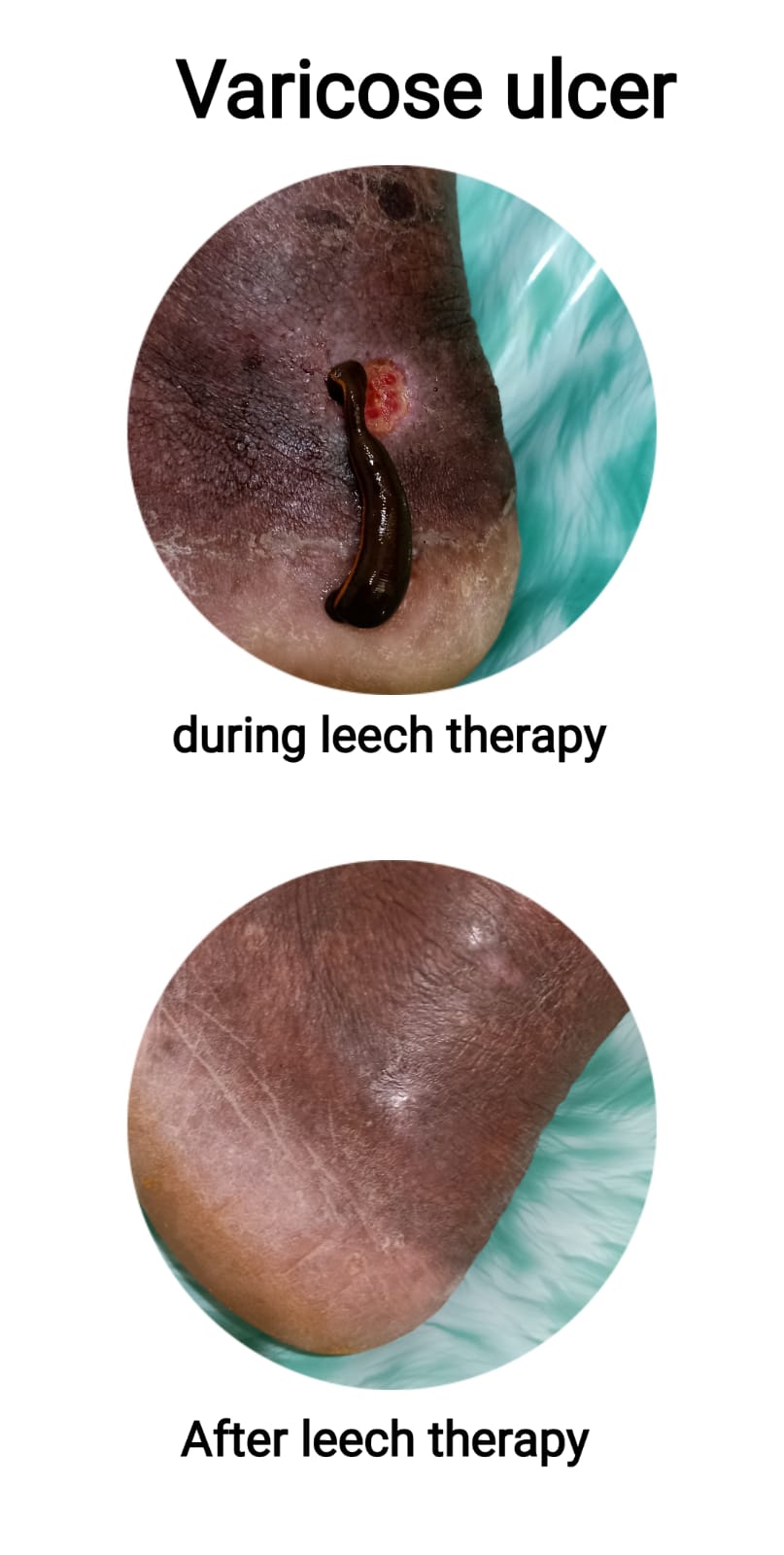
Subjective parameters: A significant reduction in pain was observed after the first and second sitting of Jalaukavacarana. In the third follow-up after 4 months of Ayurvedic treatment, the wound healed completely and there was no pain and oedema. The patient is in remission.
Assessment criteria: Images taken pre and post-ayurvedic treatment were the assessment criteria.
Image 1. An image of the wound in the left leg before and after treatment added below
I
Disease-modifying effect: Patient is in remission
-