Featured Case
-
Abstract
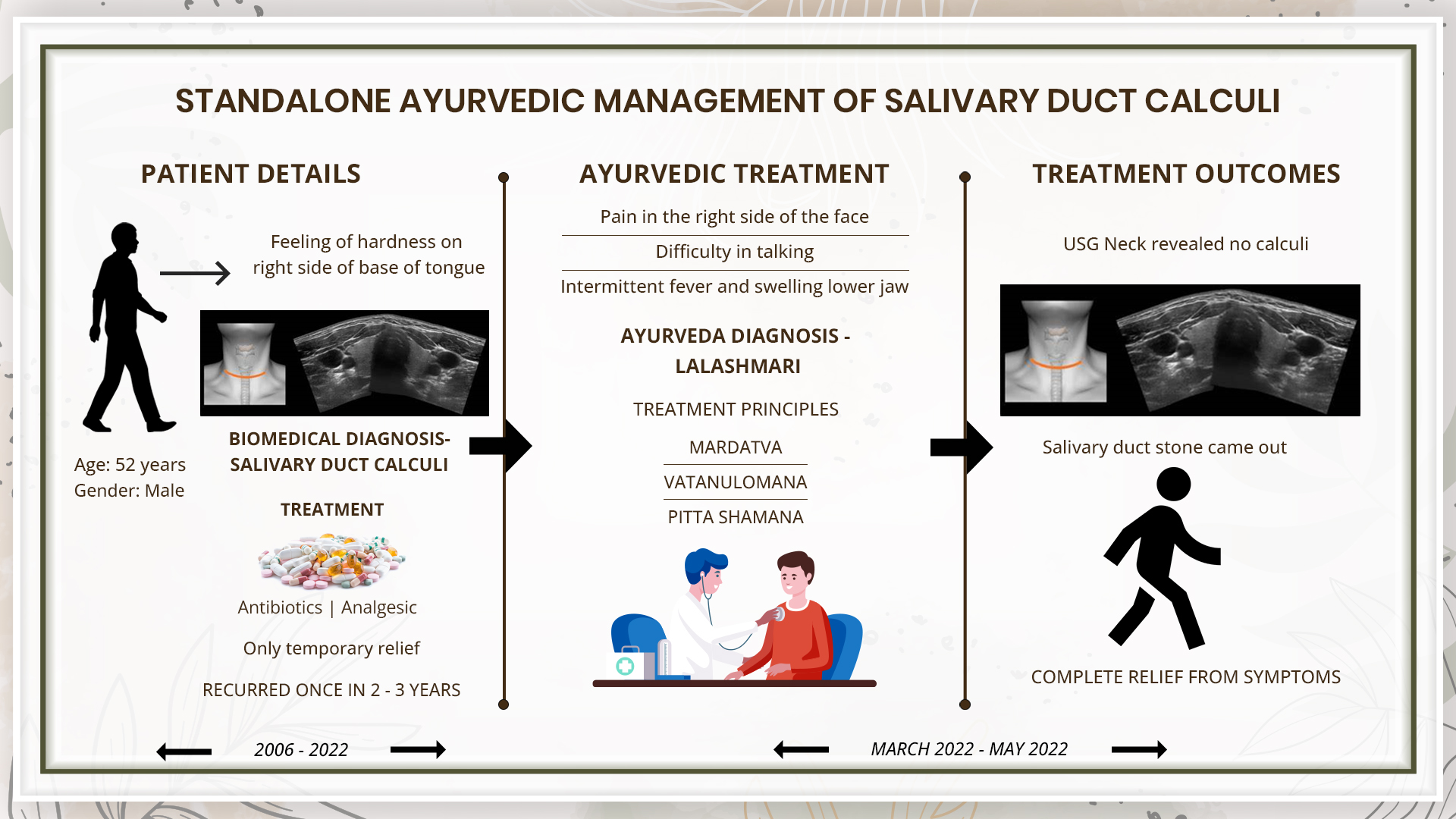
A 55-year-old male patient presented with pain on the right side of the face with difficulty in talking. He also complained of intermittent fever and swelling on the lower jaw. The patient had an onset of right salivary duct calculus in 2006 associated with symptoms like feeling of hardness on the right side of the base of the tongue. At the onset of symptoms, he took antibiotics and analgesics for 10 days and got relief from his symptoms. But the patient had repeated episodes every 2-3 years, which happens mostly during March / October. USG neck done revealed 9 mm calculi in the right submandibular terminal duct with dilation of the main duct with infection. The patient was advised surgical management. He was not willing, so he approached Dr Anshu Mulay for ayurvedic management. The diagnosis was lalashmari. The line of treatment followed was lekhana, vasti to initiate mardatva, vatanulomana and pitta shamana. Agnikarma, viddha karma and raktamokshana were done to address the rakta dushti. Upanaha was done for vedana shamana and as shotha harana. The patient noticed a reduction in symptoms after 2 days of treatment. After 1 month of treatment, the stone came out of the salivary duct. Repeat USG Neck, done after 2 months revealed no calculi.
-
Summaries
-
Listen
-
Watch
-
View
-
Read
A 55-year-old male patient presented with pain on the right side of the face with difficulty in talking. He also complained of intermittent fever and swelling on the lower jaw. The patient had an onset of right salivary duct calculus in 2006 associated with symptoms like feeling of hardness on the right side of the base of the tongue. At the onset of symptoms, he took antibiotics and analgesics for 10 days and got relief from his symptoms. But the patient had repeated episodes every 2-3 years, which happens mostly during March / October. USG neck done revealed 9 mm calculi in the right submandibular terminal duct with dilation of the main duct with infection. The patient was advised surgical management. He was not willing, so he approached Dr Anshu Mulay for ayurvedic management. The diagnosis was lalashmari. The line of treatment followed was lekhana, vasti to initiate mardatva, vatanulomana and pitta shamana. Agnikarma, viddha karma and raktamokshana were done to address the rakta dushti. Upanaha was done for vedana shamana and as shotha harana. The patient noticed a reduction in symptoms after 2 days of treatment. After 1 month of treatment, the stone came out of the salivary duct. Repeat USG Neck, done after 2 months revealed no calculi.
-
-
Timeline
-
Tabulated Summary
-
Narrative
TITLE OF CASE
Standalone successful ayurvedic management of salivary duct calculus- A case report
Dr Anshu Mulay
ABSTRACT
A 55-year-old male patient presented with pain on the right side of the face with difficulty talking. He also complained of intermittent fever and swelling in the lower jaw. The patient had an onset of right salivary duct calculus [1] in 2006 associated with symptoms like a feeling of hardness on the right side of the base of the tongue. At the onset of symptoms, he took antibiotics and analgesics for 10 days and got relief from his symptoms. But the patient had repeated episodes after every 2-3 years, which happens mostly during March / October. USG neck done revealed 9 mm calculi in the right submandibular terminal duct with dilation of the main duct with infection. The patient was advised of surgical management. He was not willing, so he approached Dr Anshu Mulay. The ayurvedic diagnosis was lalashmari. The line of treatment followed was lekhana, vasti to initiate mardatva, vatanulomana and pitta shamana. Agnikarma, viddha karma and raktamokshana were done to reduce address the rakta dushti. Upanaha was done for vedana shamana and shotha harana. The patient noticed a reduction in symptoms after 2 days of treatment. After 1 month of treatment, the stone came out of the salivary duct. Repeat USG Neck, done after 2 months revealed no calculi.
KEYWORDS
Salivary duct calculus, calculus, lalashmari, case report, standalone, agnikarma
INTRODUCTION
Salivary duct stones are masses of crystallized minerals that form in the tubes that saliva passes through after it’s made in your salivary glands. The condition is also known as sialolithiasis. The stone is often referred to as salivary duct calculus and mainly occurs in middle-aged adults. It’s the most common cause of blockage in the salivary ducts.
Symptoms- The main symptom of salivary duct stones is a pain in your face, mouth, or neck that becomes worse just before or during meals. Other common symptoms include tenderness and swelling in your face, mouth, or neck. Bacterial infections can occur when the gland is filled with stagnant saliva. Signs of an infection include fever, a foul taste in the mouth, and redness over the affected area. There can be one or more stones in the duct. About 25 per cent of people with this condition usually develop more than one stone.
Diagnosis; This is by examination of the head and neck to check for swollen salivary glands and salivary duct stones. Imaging tests can provide a more accurate diagnosis like X-ray, ultrasound or a computed tomography (CT) scan of the face
Treatment; Stones that are large or located deep within your duct may need to be surgically removed. In some cases, the doctor may suggest using shock waves to break the stone into smaller pieces. This is called extracorporeal shock wave lithotripsy (ESWL) and allows the smaller pieces to pass through the duct.
Prognosis: In most cases, the salivary duct stone is removed without any complications. If the patient continues to develop salivary duct stones or salivary gland infections, the doctor may recommend having the affected gland surgically removed.
PATIENT INFORMATION
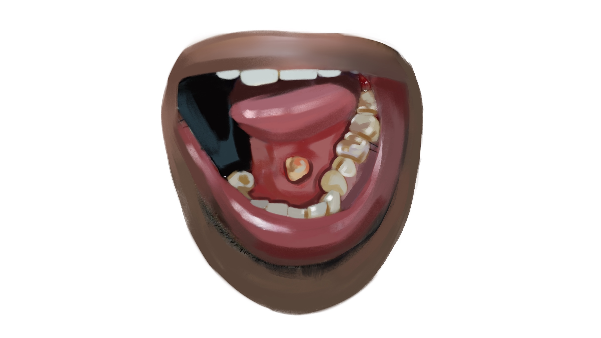
A 55-year-old male patient presented with pain on the right side of the face with difficulty talking. He also complained of intermittent fever and swelling in the lower jaw. The patient had an onset of right salivary duct calculus in 2006 associated with symptoms like a feeling of hardness on the right side of the base of the tongue.
Medical History. In 2006, the patient had a feeling of hardness on the right side of the base of the tongue associated with pain. He was diagnosed with right salivary duct calculus and was prescribed antibiotics and analgesics for 10 days. After taking medications, the symptoms subsided. But the patient had repeated episodes after every 2-3 years, which happens mostly during March / October. With conventional medicine, the patient could attain temporary relief. Also patient had a history of recurrent stomatitis, herpes zoster and measles. Due to the repeated episodes, the patient was advised surgical management of the salivary duct calculus. As the patient was not willing to do surgery, he approached Dr Anshu.
The patient is on medication (Tab Aten H) for hypertension since 10 years.
CLINICAL FINDINGS/PHYSICAL EXAMINATION
On physical examination- hardness was felt on the right side of base of the tongue and swelling at the lower jaw on the right side.
BP- 156/118
Weight- 82.3 KgTIMELINE
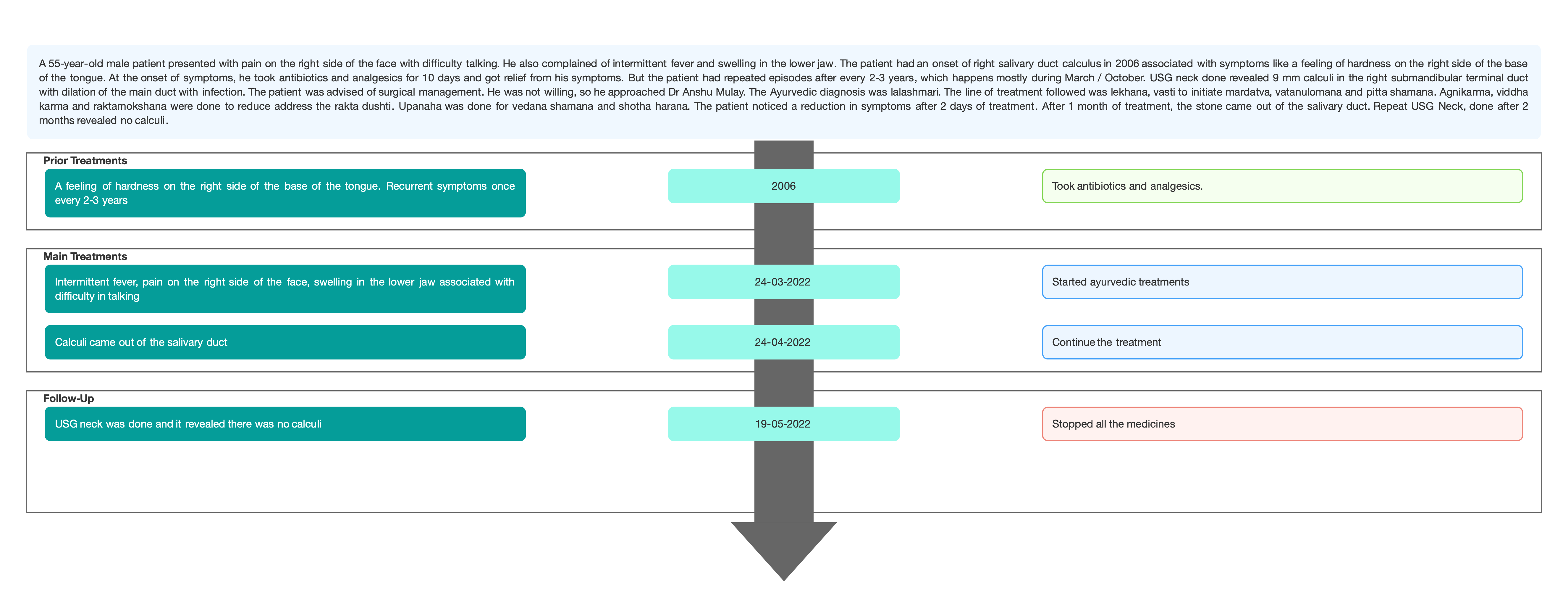
Image 1. TIMELINE of events to be added.
DIAGNOSTIC ASSESSMENT
Modern Diagnostic parameter: The patient was diagnosed with Salivary duct calculus in 2006 based on the clinical presentation and the USG scan of the neck.
Image 2. USG scan of the neck dated 22.3.2022 added below
Ayurvedic Assessment was done based on the investigation reports and the clinical evaluation by the ayurvedic physician.
Differential Diagnosis- The diagnosis was confirmed with a USG scan of the neck.
Prognosis- Salivary duct calculus has an excellent prognosis, and the majority of patients can be managed conservatively with sialagogues and NSAIDs. ESWL is generally unsuccessful for stones larger than 7 to 10 mm. Treatment of salivary stones that do not respond to external shockwave lithotripsy is with a combined transcutaneous and endoscopic approach (assuming the stone is visible under endoscopy). Surgical excision of the parotid gland is usually a last resort. In this case, the patient was suffering from calculus for 16 years, he could attain only temporary relief with internal medications. The patient was advised surgical management for the condition.
THERAPEUTIC INTERVENTION
See the tab ‘Treatment details.’
FOLLOW-UP AND OUTCOMES
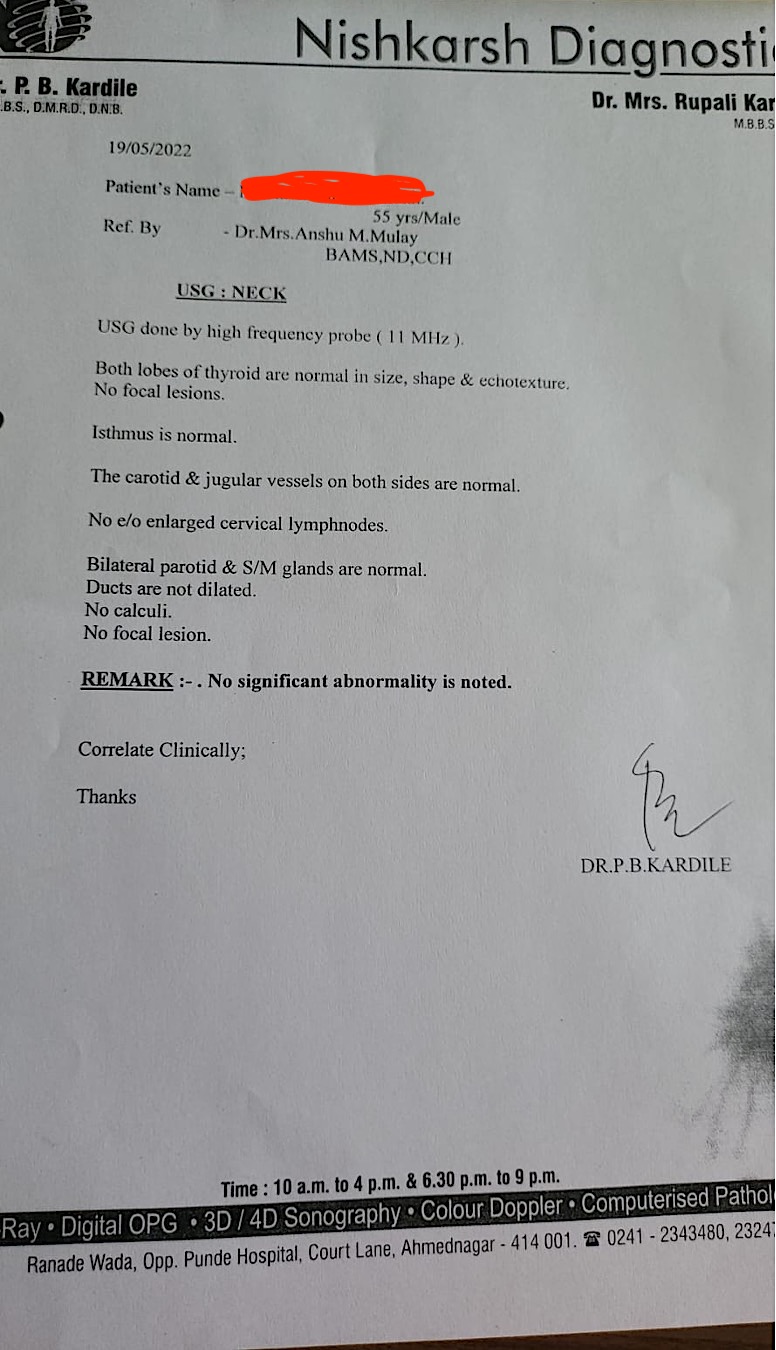
Clinician-based assessment; The patient noticed a reduction in symptoms after 2 days of treatment. After 1 month of treatment, the stone came out of the duct. Repeat USG Neck findings after 2 months revealed no calculi.
Image 3. USG scan of neck dated 19.5.2022 added below.
Patient-assessed: Not relevant.
Video 1. Agnikarma procedure done on the patient added below.
Intervention adherence and tolerability – The patient adhered to the prescribed treatments and tolerated the treatments well.
Method of assessment- By monitoring the patient.
Adverse and unanticipated events; None reported
DISCUSSION ;
The patient’s prakruti was Krshadharmi (according to panchbhautik cikitsa) To adress the Krshadharmi Swadanshtradi guggulu, Rajani yog, Paripathadi kwath was used. Tamra Bhama is used for Lekhana of ashmari. Basti was given for mardatva, vatanulomana, and pittashamana. Agnikarma for hot fomentation, Viddhakarma to reduce sthanika raktadushti and for vedana shamana: Raktmokshana to reduce sarvadehic raktdushti: Upanaha for mardatva, vedanashamana and shothaghna in action were the treatment principles used.
PATIENT’S PERSPECTIVE
Not available.
LEARNING POINTS/TAKE-HOME MESSAGES
The case report illustrates the utility of ayurveda concepts and the efficacy of ayurvedic medicines in successfully treating a chronic case of Salivary duct calculus that was not satisfactorily responding to conventional medicines. With 1 month of ayurvedic treatment, the calculus could be extracted out.
INFORMED CONSENT
Written consent was obtained from the patient to publish the case report.
CONFLICT OF INTEREST
None declared.
FUNDING
None
REFERENCE
Medically reviewed by the University of Illinois
- Shastri AD, editor. Ayurveda Tattva Sandipika Hindi commentary on Susruta Samhita of Susruta, Sutra Sthana; Avarniyamadhyaya: Chapter 33, Verse 04, Reprint ed. Varanasi: Chaukhambha Sanskrit Sansthan, 2017.p. 163
Image 1. TIMELINE of events added below.
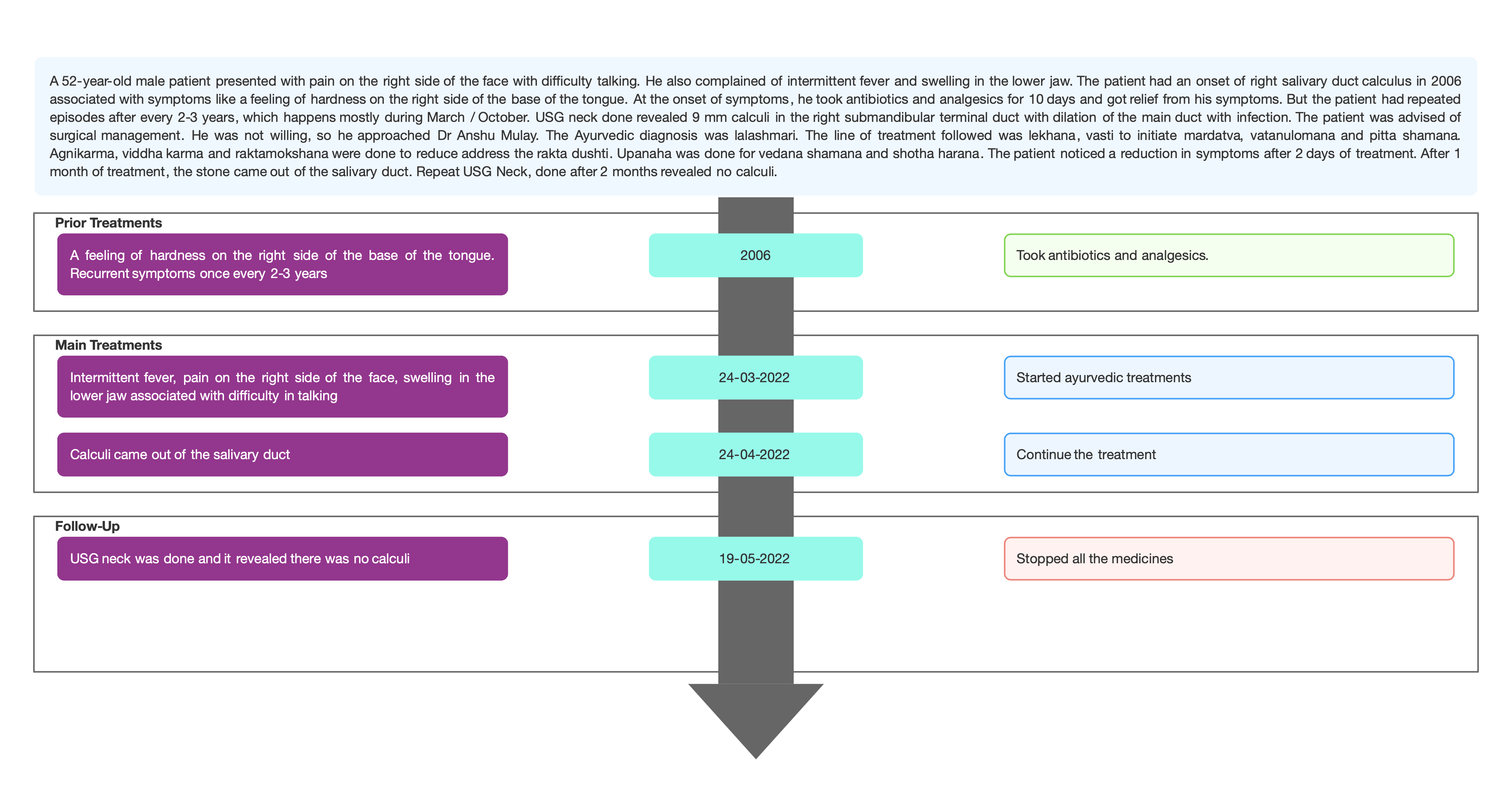
Image 2. USG scan of the neck dated 22.3.2022 added below
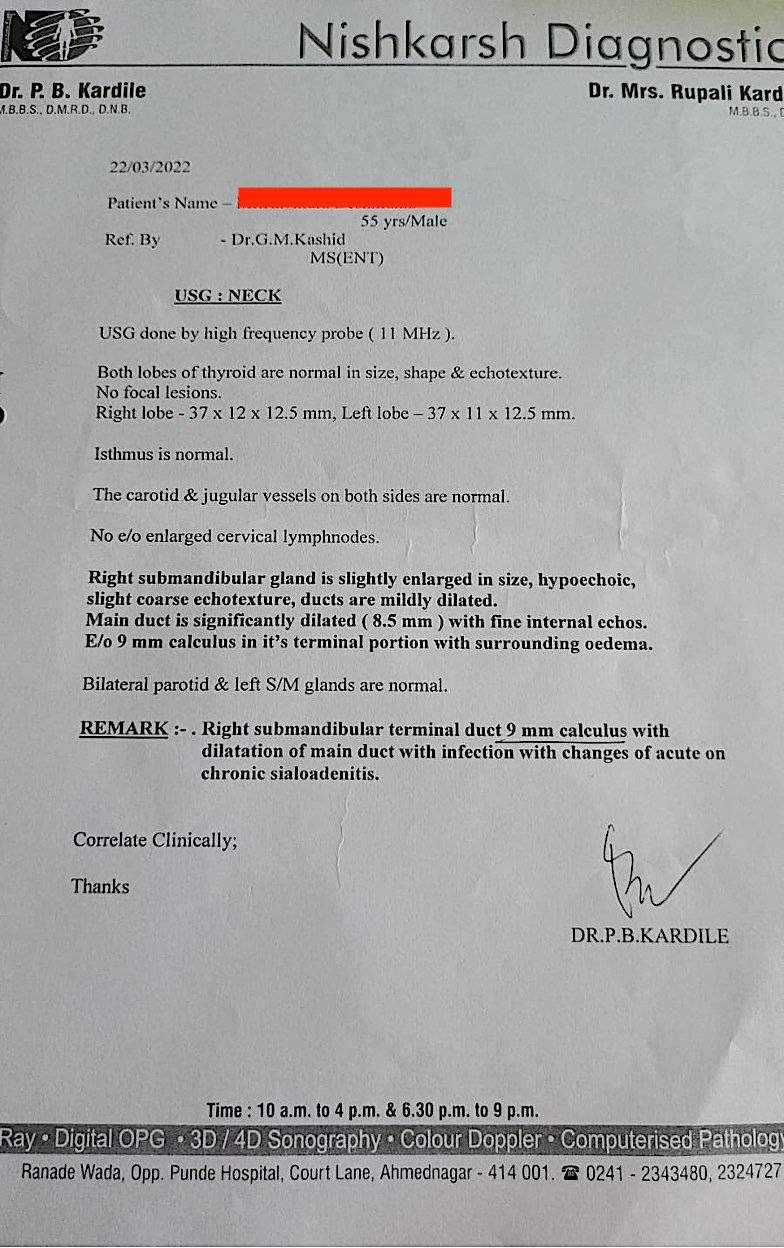
Image 3. Endpoint evaluation. USG neck dated 19.5.2022
-
Immersive Learning
-
Modern Diagnosis
MODERN DIAGNOSIS: Salivary duct calculus
ABOUT THE DISEASE:
Salivary duct stones are masses of crystallized minerals that form in the tubes that saliva passes through after it’s made in your salivary glands. The condition is also known as sialolithiasis. The stone is often referred to as salivary duct calculus and mainly occurs in middle-aged adults. It’s the most common cause of blockage in the salivary ducts.
Symptoms- The main symptom of salivary duct stones is a pain in your face, mouth, or neck that becomes worse just before or during meals. This is because your salivary glands produce saliva to facilitate eating. When saliva cannot flow through a duct, it backs up in the gland, causing swelling and pain. Other common symptoms include tenderness and swelling in your face, mouth, or neck. You may also have a dry mouth and trouble swallowing or opening your mouth. Bacterial infections can occur when the gland is filled with stagnant saliva. Signs of an infection include fever, a foul taste in your mouth, and redness over the affected area. The patient is a 55-year-old male, who was suffering from pain on the right side of his mouth with difficulty talking. He also had an intermittent fever and chills. He was diagnosed with Salivary duct calculus on the right side in 2006.
There can be one or more stones in the duct. About 25 per cent of people with this condition usually develop more than one stone.
Diagnosis; This is by examination of the head and neck to check for swollen salivary glands and salivary duct stones. Imaging tests can provide a more accurate diagnosis because your doctor will be able to see the stones. An X-ray, ultrasound or a computed tomography (CT) scan of the face are some of the imaging tests that may be ordered. In this patient, the biomedical diagnosis was confirmed based on clinical examination and a USG scan of the neck.
Image 1. USG scan of the neck dated 22.3.2022 added below
Treatment; Stones that are large or located deep within your duct may need to be surgically removed.
In some cases, the doctor may suggest using shock waves to break the stone into smaller pieces. This is called extracorporeal shock wave lithotripsy (ESWL) and allows the smaller pieces to pass through the duct. During this procedure, high-energy sound waves are directed at the stone. You will likely be sedated or under general anaesthesia during this process. ESWL is more commonly used to break up other types of stones in the body, such as those in the kidney or bladder. In this patient, surgery was suggested as the symptoms were chronic and his symptoms were relapsing on & off.
Prognosis: In most cases, the salivary duct stone is removed without any complications. If you continue to develop salivary duct stones or salivary gland infections, your doctor may recommend having the affected gland surgically removed.
Taken from https://www.healthline.com/health/salivary-duct-stones.
Medically reviewed by the University of Illinois
-
Ayurveda Diagnosis
AYURVEDA DIAGNOSIS: Lalashmari
ABOUT THE DISEASE:
‘Ashma’ means stone. Renal calculi are solid accretions of mineral substances that are found in the urine. These can vary in size and number and are generally found in the ureters, bladder or kidneys.
Ashmari is one of the prevalent ailments of the mutravaha srotas (urinary system) alongside Mutrakrichra and Prameha. In Ayurveda, Acarya Susruta described the eight most difficult-to-cure diseases (Ashtamahagada) and Ashmari is one among them owing to its potential to disturb the structure and functions of the urinary system [1]
Symptoms : Susruta mentions the nabhi, basti, sevani and mehana vedana, along with 'visheerna dhara mutra' as the primary symptoms of ashmari.
Ayurveda has more radical approach and a wide range of options in the management of Ashmari. Ayurvedic drugs have the potential to manage Ashmari effectively due to their properties like ashmari-bhedana, mutrala, vednasthapana, shothahara, basti-shodhana, dipana-pachana and by maintaining urine pH. Acarya Susruta has described treatment for facilitating the disintegration of the Ashmari with ghrita, kshara, kashaya, and vasti before opting for surgical intervention [2] A recent onset of Ashmari can be managed with oral medicines whereas large sized and chronic calculi require surgical treatment. [3].( Int. J. Adv. Res. 8(10), 159-166 )
This case report becomes unique in the aspect that the calculi has is located in the salivary duct. There is no direct correlation of this clinical presentation in the ayurvedic texts. But the treating physician has diagnosed this as ashmari, as there is calculus, and as Lalashmari because it is located in the salivary duct. The symptoms mentioned in the classical textbooks of ayurveda cannot be matched to that of the patient in the case report because the sthana is completely different. The patient presented with pain on the right side of the face with difficulty talking for 1 week. He also complained of intermittent fever and swelling in his lower jaw.
According to the physician’s yukti, agnikarma viddhakarma, lekhana, upanaha, raktamokshana were planned for vedana shamana and for pacifying pitta.
Reference
- Shastri AD, editor. Ayurveda Tattva Sandipika Hindi commentary on Susruta Samhita of Susruta, Sutra Sthana; Avarniyamadhyaya: Chapter 33, Verse 04, Reprint ed. Varanasi: Chaukhambha Sanskrit Sansthan, 2017.p. 163
- Patil VC, Rajeshwari NM, editors. Susruta Samhita of Susruta, Cikitsa Sthana; Asmari Cikitsadhyaya: Chapter 07, Verse 27, First ed. New Delhi: Chaukhambha Publications, 2018; 351
- Patil VC, Rajeshwari NM, editors. Susruta Samhita of Susruta, Cikitsa Sthana; Asmari Cikitsadhyaya: Chapter 07, Verse 27, First ed. New Delhi: Chaukhambha Publications, 2018; 348.
-
Treatment
Name of Medicine Dosage Form Dosage Mode of Administrtation From - To (Date) Medicine Reference Swadanshtradi guggulu Powder 125 mg Given at 6 am, 2 pm and 10 pm 2022-03-24 - 2022-04-23 CS.Ci.15 Paripathadi Kvatha Kvatha 15 ml 2 pm and at 10 pm 2022-02-24 - 2022-06-23 Proprietary medicine Tamra bhasma Bhasma 100 mg With honey after dinner 2022-03-24 - 2022-05-24 Rasaratnasamucchayam. 5 Mahanarayana Taila Taila 60 ml Anuvasana vasti 2022-03-25 - 2022-04-01 CS.Ci.4 -
Outcome Measures
OUTCOME MEASURES
A 55-year-old male patient presented with pain on the right side of the face with difficulty talking. He also complained of intermittent fever and swelling in the lower jaw. The patient had an onset of right salivary duct calculus in 2006 associated with symptoms like a feeling of hardness on the right side of the base of the tongue. At the onset of symptoms, he took antibiotics and analgesics for 10 days and got relief from his symptoms. But the patient had repeated episodes after every 2-3 years, which happens mostly during March / October. USG neck done revealed 9 mm calculi in the right submandibular terminal duct with dilation of the main duct with infection. The patient was advised of surgical management. He was not willing, so he approached Dr Anshu Mulay. The ayurvedic diagnosis was lalashmari.
Subjective assessment: The patient noticed a reduction in symptoms after 2 days of treatment.
Objective assessment: After 1 month of ayurvedic treatment, the calculus came out. A repeat USG scan of the neck done after 2 months of ayurvedic treatment revealed no calculus.
Image 1. USG scan of neck dated 19.5.2022 added below
Video 1. The video of agnikarma procedure done added below
-