Featured Case
-
Abstract
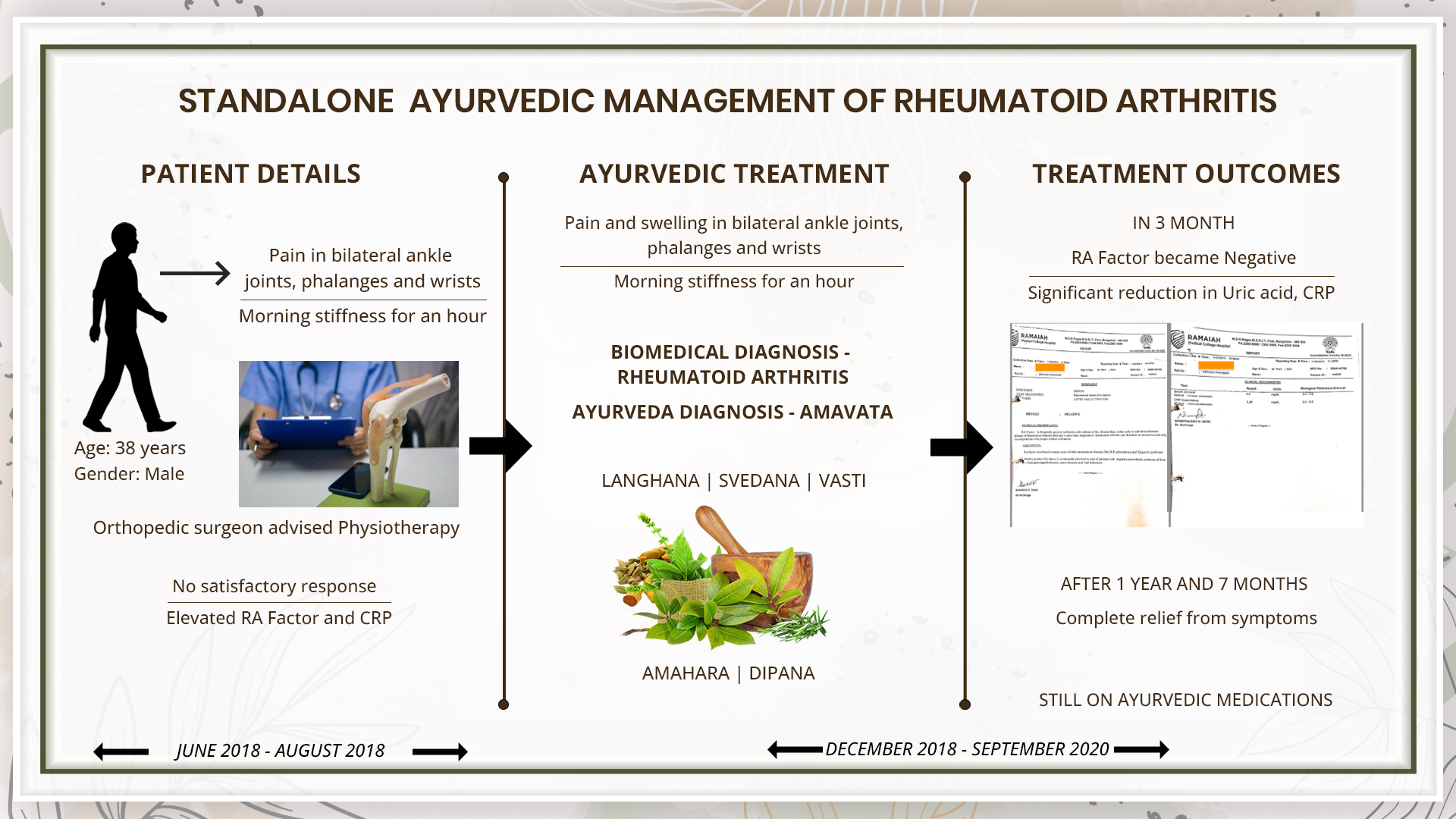
A 38-year-old male patient complained of pain and swelling in the bilateral ankle, wrist, and phalangeal joints associated with morning stiffness for about an hour, which reduces on doing physical exercises to a certain extent. After a month of the onset of the symptoms in 2018, he consulted an orthopaedic surgeon and was suggested physiotherapy. He continued the treatment for three months and found no improvement in the condition. It progressed further. So, the patient opted for Ayurveda and consulted Dr G G Gangadharan. Based on clinical examination, elevated CRP and positive RA Factor, the biomedical diagnosis was made as Rheumatoid arthritis and the Ayurvedic diagnosis was made as Amavata. The line of treatment followed was langhana, svedana, tikta-katu rasa prayoga, dipana, virecana and vasti. After 3 months of ayurvedic treatments, the RA factor became negative, and the CRP and uric acid became normal. He got relief from the joint pain and swelling. The patient is continuing the medicines and is in remission.
-
Summaries
-
Listen
-
Watch
-
View
-
Read
A 38-year-old male patient complained of pain and swelling in the bilateral ankle, wrist, and phalangeal joints associated with morning stiffness for about an hour, which reduces on doing physical exercises to a certain extent. After a month of the onset of the symptoms in 2018, he consulted an orthopaedic surgeon and was suggested physiotherapy. He continued the treatment for three months and found no improvement in the condition. It progressed further. So, the patient opted for Ayurveda and consulted Dr G G Gangadharan. Based on clinical examination, elevated CRP and positive RA Factor, the biomedical diagnosis was made as Rheumatoid arthritis and the Ayurvedic diagnosis was made as Amavata. The line of treatment followed was langhana, svedana, tikta-katu rasa prayoga, dipana, virecana and vasti. After 3 months of ayurvedic treatments, the RA factor became negative, and the CRP and uric acid became normal. He got relief from the joint pain and swelling. The patient is continuing the medicines and is in remission.
-
-
Timeline
-
Tabulated Summary
-
Narrative
TITLE OF CASE
Stand-alone Ayurvedic management of Rheumatoid Arthritis - A case report
Dr G G Gangadharan
ABSTRACT
A 38-year-old male patient complained of pain and swelling in the bilateral ankle, wrist, and phalangeal joints associated with morning stiffness for about an hour, which reduces on doing physical exercises to a certain extent. After a month of the onset of the symptoms in 2018, he consulted an orthopaedic surgeon and was suggested physiotherapy. He continued the treatment for three months and found no improvement in the condition. It progressed further. So, the patient opted for Ayurveda and consulted Dr G G Gangadharan. Based on clinical examination, elevated CRP and positive RA Factor, the biomedical diagnosis was made as Rheumatoid arthritis and the Ayurvedic diagnosis was made as Amavata. The line of treatment followed was langhana, svedana, tikta-katu rasa prayoga, dipana, virecana and vasti. After 3 months of ayurvedic treatments, the RA factor became negative, and the CRP and uric acid became normal. He got relief from the joint pain and swelling. The patient is continuing the medicines and is in remission.
KEYWORDS
Amavata, rheumatoid arthritis, joint pain, ayurveda, case report, standalone
INTRODUCTION
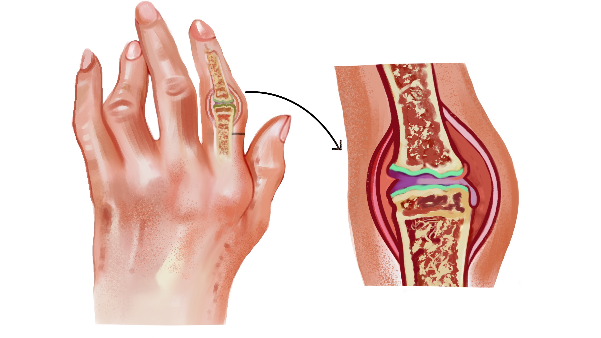
Rheumatoid arthritis (RA) is a systemic autoimmune disease characterized by inflammatory arthritis and extra-articular involvement. It is a chronic inflammatory disorder of unknown etiology that primarily involves synovial joints. It typically starts in small peripheral joints, is often symmetric, and progresses to involve proximal joints if left untreated. Joint inflammation over time leads to the destruction of the joint with cartilage and bone erosion. RA with a symptom duration of fewer than six months is defined as early RA, and when the symptoms have been present for more than six months, it is defined as established RA.
There is no pathognomonic laboratory test for rheumatoid arthritis, which makes the diagnosis of this disease challenging. A thoughtful and comprehensive clinical approach is required to complete the diagnosis and prevents debilitating joint damage.
Prognosis: Rheumatoid arthritis has no cure and is a progressive disease. All individuals will experience multiple exacerbations and, without treatment, tend to have poor outcomes with increased disability and mortality.[1] Early treatment (within six months of symptom onset) has shown the improved functional capacity and decreased disease activity as measured by swollen joint count and tender joint count.
Treatment: NSAIDs, Steroids, Conventional DMARDs, Biologic agents, Targeted synthetic DMARDs, Surgery - Synovectomy, Tendon repair, Joint infusion, Total joint replacement.
Diagnostic criteria: Inflammatory arthritis involving three or more joints assessment done using tools as recommended by ACR and EULAR, Positive rheumatoid factor (RF) and anti-citrullinated peptide/protein antibody (ACPA), such as anti-cyclic citrullinated peptide antibody (anti-CCP) testing, Elevated levels of C-reactive protein (CRP) or the erythrocyte sedimentation rate (ESR), Antinuclear antibody (ANA) testing, Radiographs of the hands, wrists, and feet, Synovial fluid analysis, Magnetic resonance imaging (MRI) and ultrasound, etc.
PATIENT INFORMATION
A 38-year-old male patient complained of pain and swelling in the bilateral ankle, wrist, and phalangeal joints associated with morning stiffness for about an hour, which reduces to a certain extent doing physical exercises.
Medical History: The patient started complaining of joint pain and morning stiffness in June 2018; after a month, he consulted an orthopaedic surgeon and was suggested physiotherapy. He continued the treatment for three months and found no improvement in the condition. It progressed further. Hence, he approached Dr G G Gangadharan.
CLINICAL FINDINGS/PHYSICAL EXAMINATION
BP noted as 110/70 mm/Hg
TIMELINE
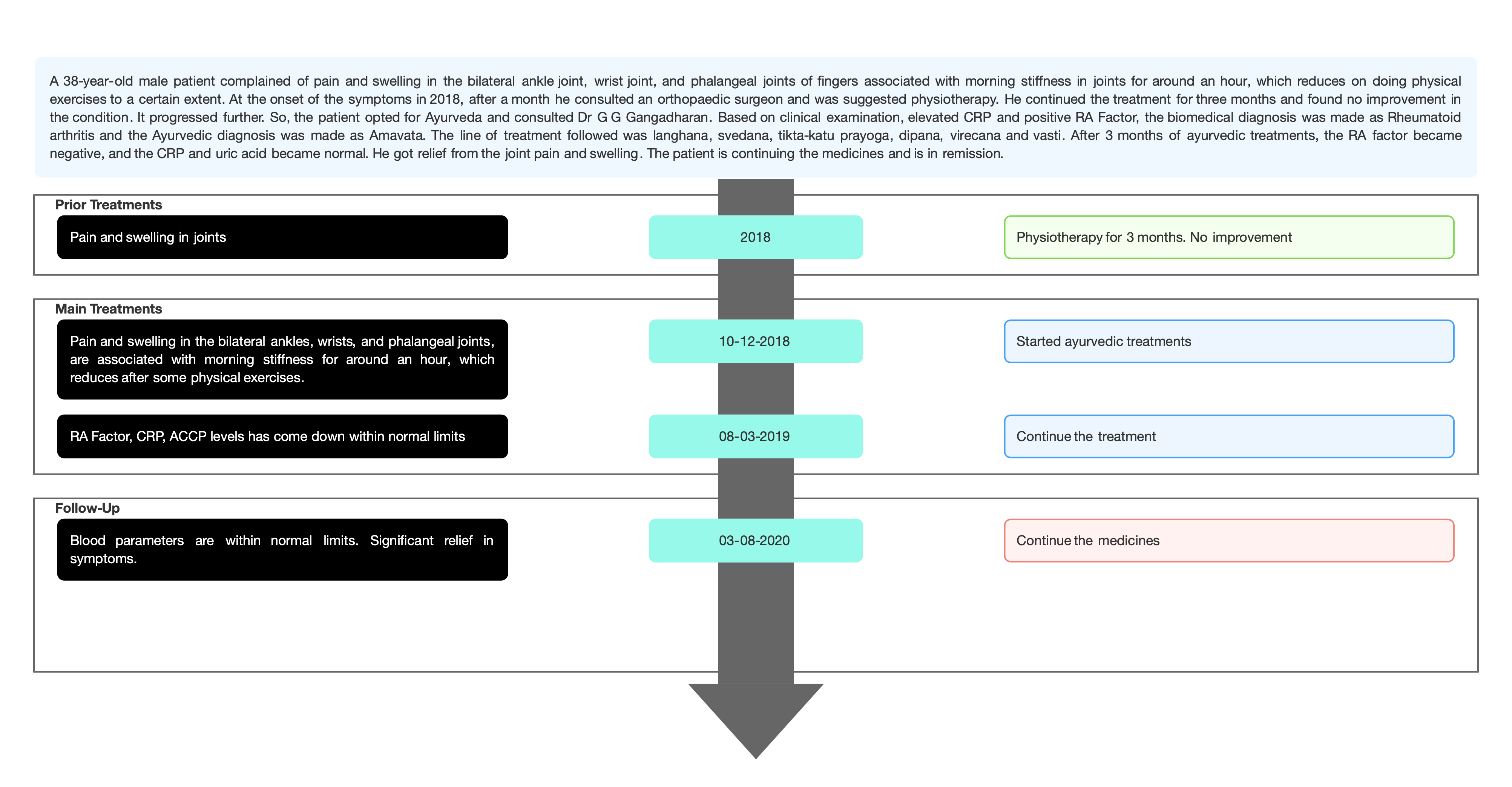
Image 1. Timeline of events added below.
DIAGNOSTIC ASSESSMENT
Modern Diagnostic parameter: The biomedical diagnosis was made based on the clinical presentation and the elevated blood parameters namely RA factor, CRP and ACCP.
Image 2. Blood reports at baseline dated 10.12.2018 added below
Ayurvedic Assessment was done based on the blood reports and the clinical evaluation by the ayurvedic physician.
Differential Diagnosis- The diagnosis was confirmed with blood reports and clinical evaluation.
Prognosis- Rheumatoid arthritis has no cure and is a progressive disease. All individuals will experience multiple exacerbations, and without treatment tend to have poor outcomes with increased disability and mortality. Early treatment (within six months of symptom onset) has shown the improved functional capacity and decreased disease activity as measured by swollen joint count and tender joint count. In this case, the patient presented with joint pain and morning stiffness for 5 months. With standalone ayurveda treatment and other lifestyle changes he achieved remission with normal blood parameters.
THERAPEUTIC INTERVENTION
See the tab ‘Treatment details’
FOLLOW-UP AND OUTCOMES
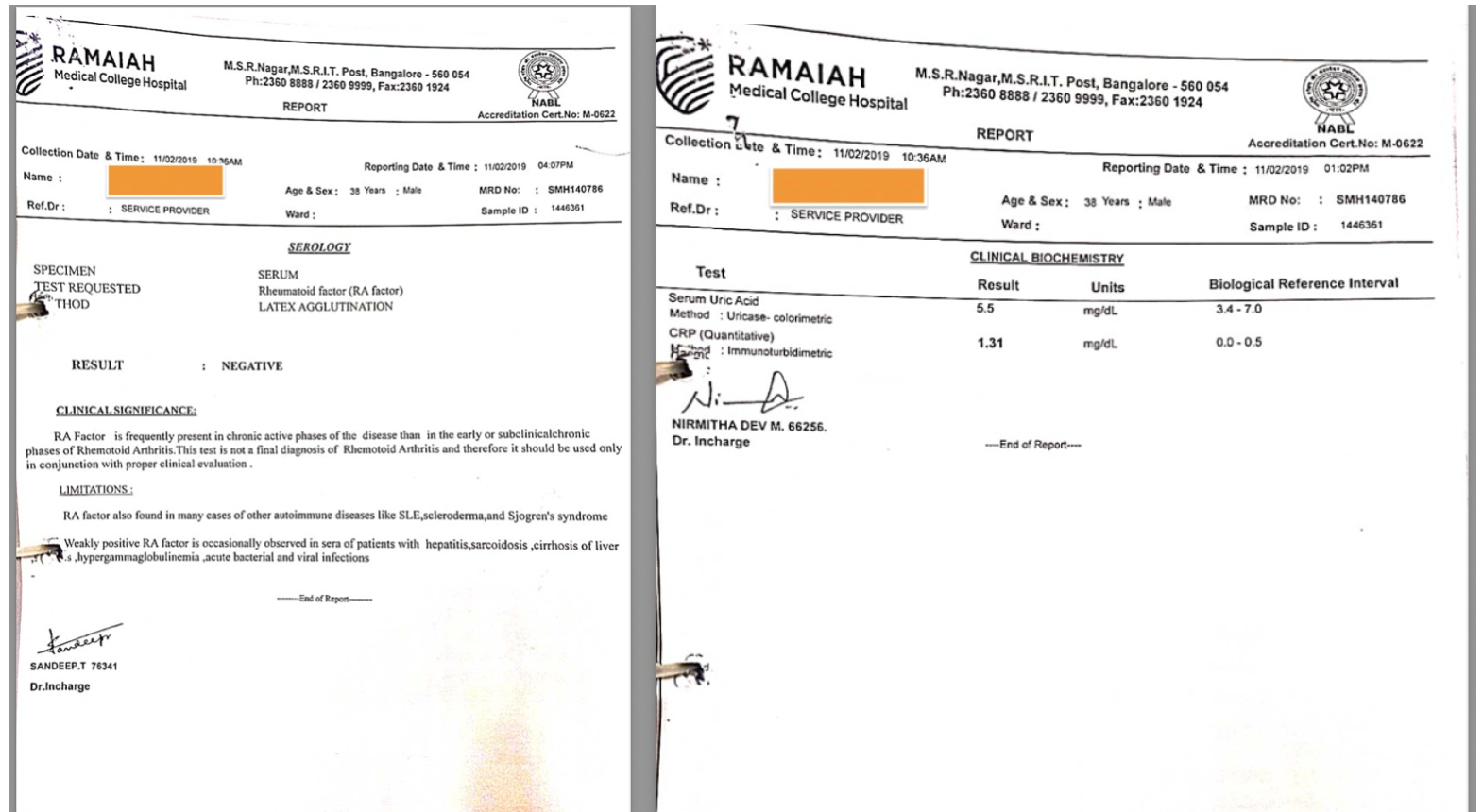
Clinician-based assessment; Before treatment, the patient had elevated RA factor, CRP, and ACCP. In 3 months, the blood values showed a downward trend. After a duration of 1 year and seven months, his blood parameters have become normal, and the clinician assessed the outcome with both subjective and objective parameters. The patient is continuing the medicines, and the reports documented during follow-up are within normal limits. There is no joint pain or swelling.
Patient-assessed: Not relevant.
Image 3. Blood reports at midpoint dated February 2019 added below
Intervention adherence and tolerability – The patient adhered to the prescribed treatments and tolerated the treatments well.
Method of assessment- By monitoring the patient.
Adverse and unanticipated events; None reported.
In Ayurveda, management suggested for Amavata is Langhana, swedana, tikta - katu rasa prayoga - dipana, virecana and vasti. Patients are advised to avoid unhealthy diet and regimens. Abhyanga, pindasveda, dhara, upanaha is also recommended in this condition. Guduchi phanta, amritarishta, guggulutiktakam kashayam, amrutotharam kashayam are advised for dipana and amahara. Amavatari kashayam tab, kokilaksha kashayam, punarnavasavam, kaishoraguggulu, rasnairandadi kashayam, karaskara ghritam are recommended for anti-inflammatory activity. Shivagulika for immunomodulation, vilwadi gulika, balaristam are recommended for pain in the joints.
PATIENT’S PERSPECTIVE
Not available.
LEARNING POINTS/TAKE-HOME MESSAGES
The patient started complaining of joint pain and morning stiffness in June 2018; after a month, he consulted an orthopaedic surgeon and was suggested physiotherapy. He continued the treatment for three months and found no improvement in the conditions. It progressed further. The patient opted for Ayurveda treatment for a better result and achieved remission with blood parameters brought to normal limits within one 1year and seven months of standalone ayurveda treatment. Ayurveda can be considered as a treatment option for patients who did not get satisfactory outcomes with conventional management and suggested DMARDS.
INFORMED CONSENT
Written consent was obtained from the patient to publish the case report.
CONFLICT OF INTEREST
None declared.
FUNDING
None
REFERENCE
- Wasserman AM. Diagnosis and management of rheumatoid arthritis. Am Fam Physician. 2011 Dec 1;84(11):1245-52. PMID: 22150658.
- Aswathy YS, Anandaraman PV. Therapeutic influence of some dietary articles on gut microbiota in the pathogenesis of rheumatoid arthritis (Amavata) - A review. Ayu. 2019 Jul-Sep;40(3):147-151.
Image 1. Timeline of events
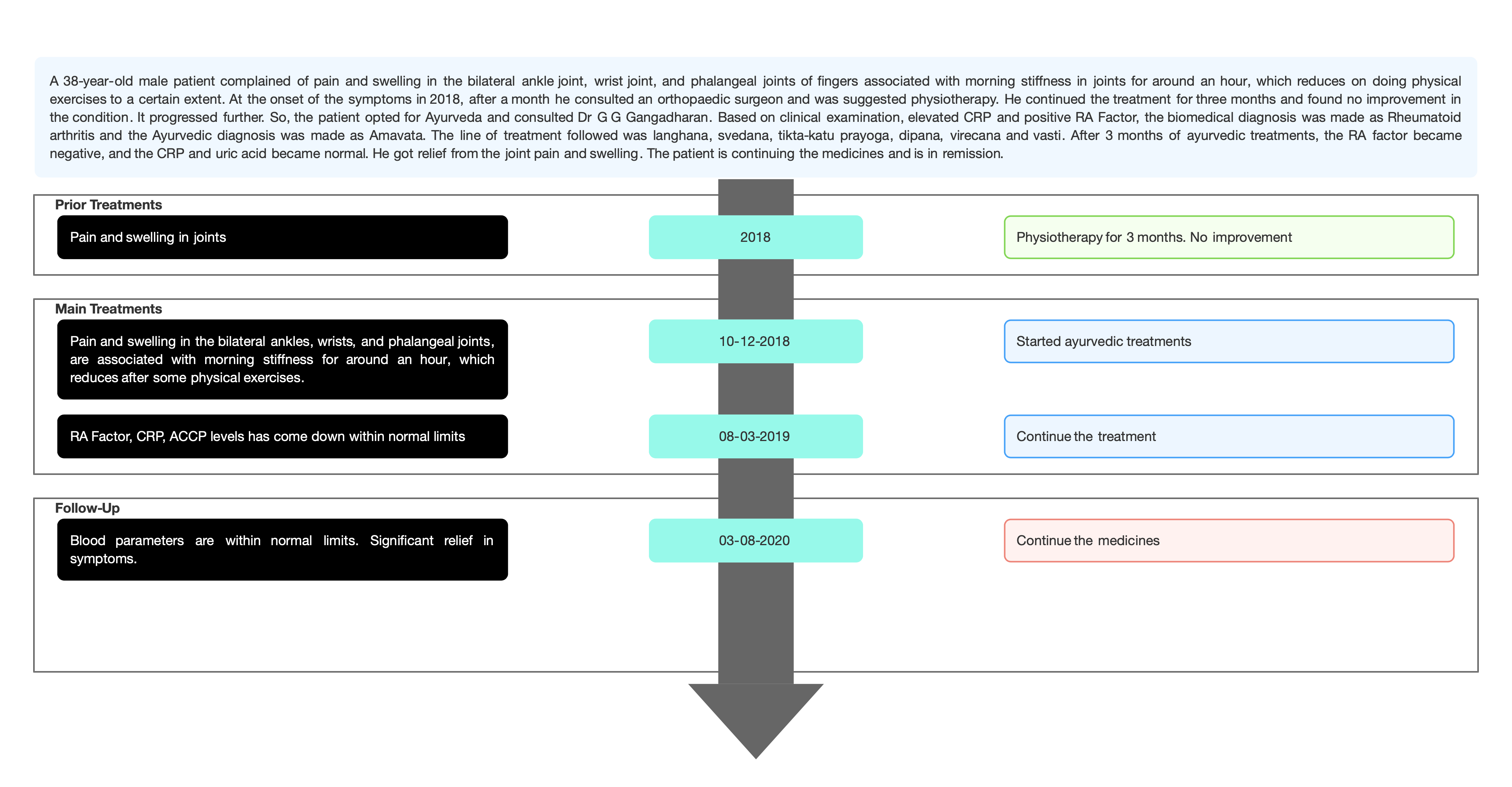
Image 2. Blood reports at baseline dated 10.12.2018 added below
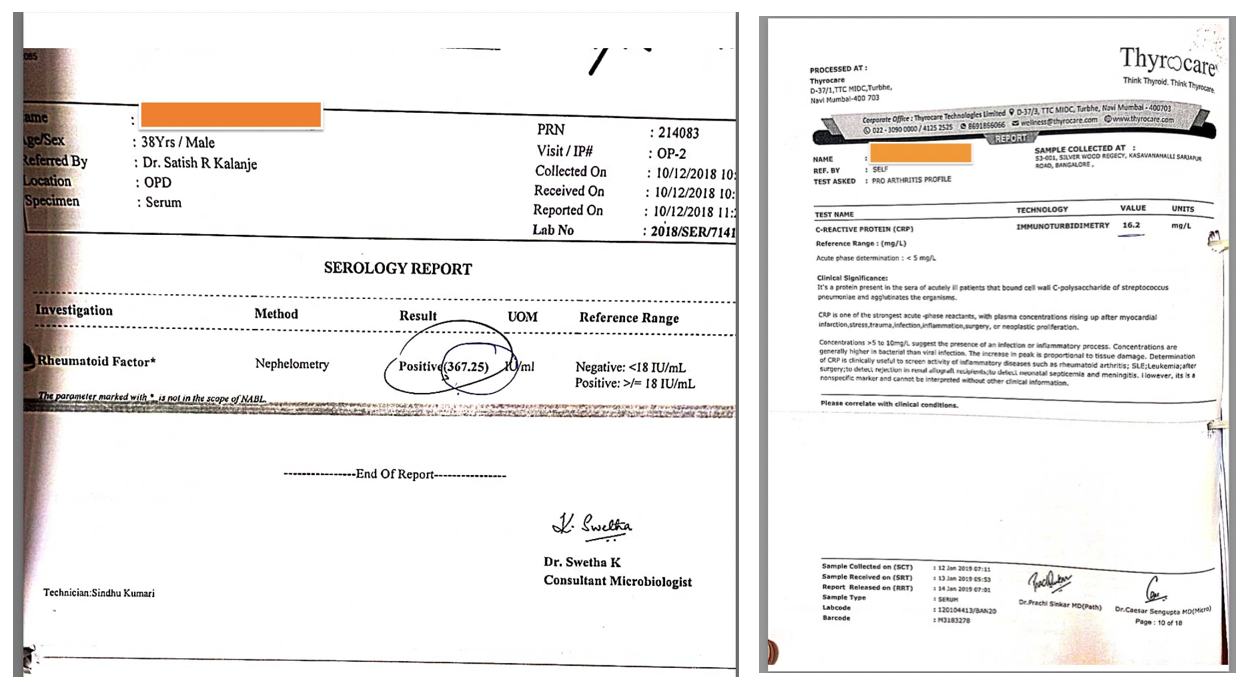
Image 3. Blood reports at midpoint dated 11.2.2019 added below
-
Immersive Learning
-
Modern Diagnosis
MODERN DIAGNOSIS: Rheumatoid arthritis (RA)
ABOUT THE DISEASE:
Rheumatoid arthritis (RA) is a systemic autoimmune disease characterized by inflammatory arthritis and extra-articular involvement. It is a chronic inflammatory disorder of unknown etiology that primarily involves synovial joints. It typically starts in small peripheral joints, is often symmetric, and progresses to involve proximal joints if left untreated.Joint inflammation over time leads to the destruction of the joint with cartilage and bone erosion. RA with a symptom duration of fewer than six months is defined as early RA, and when the symptoms have been present for more than six months, it is defined as established RA.
There is no pathognomonic laboratory test for rheumatoid arthritis, which makes the diagnosis of this disease challenging. A thoughtful and comprehensive clinical approach is required to complete the diagnosis and prevents debilitating joint damage.
Prognosis: Rheumatoid arthritis has no cure and is a progressive disease. All individuals will experience multiple exacerbations and, without treatment, tend to have poor outcomes with increased disability and mortality.[1] Early treatment (within six months of symptom onset) has shown the improved functional capacity and decreased disease activity as measured by swollen joint count and tender joint count.
In this case, the patient presented with joint pain and morning stiffness for five months. The diagnosis was made based on the elevated RA factor, CRP and ACCP. With standalone Ayurveda treatment for 1 year and 7 months, with lifestyle changes, he achieved remission with normal blood parameters.
Treatment: NSAIDs, Steroids, Conventional DMARDs, Biologic agents, Targeted synthetic DMARDs, Surgery - Synovectomy, Tendon repair, Joint infusion, Total joint replacement.
Diagnostic criteria: Inflammatory arthritis involving three or more joints assessment done using tools as recommended by ACR and EULAR, Positive rheumatoid factor (RF) and anti-citrullinated peptide/protein antibody (ACPA), such as anti-cyclic citrullinated peptide antibody (anti-CCP) testing, Elevated levels of C-reactive protein (CRP) or the erythrocyte sedimentation rate (ESR), Antinuclear antibody (ANA) testing, Radiographs of the hands, wrists, and feet, Synovial fluid analysis, Magnetic resonance imaging (MRI) and ultrasound, etc.
Image 1. Baseline blood reports dated 10.12.2018 were added below
-
Ayurveda Diagnosis
AYURVEDA DIAGNOSIS: Amavata
ABOUT THE DISEASE:
‘Ama’ is produced by agnimandya of both Jatharagni and Dhatvagni. In general, mandagni is the basis for all roga. Thus ama in turn becomes the base for the manifestation of a roga. In Amavata, the crucial role in pathogenesis is played by ama and vata. Ama and vata vitiated simultaneously and manifest mainly in the joints of hasta, pada, sira, trika, gulpha, janu and uru. The main symptoms produced are Angamarda Aruchi, Trishna, Alasya, Gouravam, Apaka and Shotha.
Samprapti: The impairment of Agni will produce the condition of Ama. Agnimandya affects digestion and metabolism. Hence in this state of Agni, the Rasadhatu is improperly formed and is considered as Ama. This ‘Ama’ along with Vyana Vayu and also by virtue of its Visha guna it quickly moves to all kapha sthana, through Hridaya and Dhamanis. This Vidhagada Ama, in kapha sthana is further contaminated by doshas and assumes different colours, because of the Atipichhilata.
If Ama gets obstructed into channels and promotes further vitiation of vata dosha, this morbid Ama circulates ubiquitously in the body propelled by vitiated vata with a predilection for sleshma sthana. On the dhamanis with the other doshas it facilitates sroto abhisyanda and srotorodha causing sthanasmsraya manifested stabdhata (stiffness), sandhisula (joint-pain), sandhishotha (swelling), Anga-marda (body ache), Apaka (indigestion), Jwara (fever), Anga gourava (heaviness of body), Alasya (laziness).
In this patient, unwholesome diet and lifestyle can be considered as the Nidana for amavata.
Lakshana
अङ्गमर्दो अरुचिस्त्रिष्णो आलस्यंगौरवमं ज्वर:
अपाक: शूनताङ्गानां आमवातस्य लक्षणम्॥ (Madhava Nidana)
1. Angamarda (body ache) 2. Aruchi (Tastelessness) 3. Trishna (Thirst) 4. Alasya (lack of enthusiasm) 5. Gouravam (Heaviness all over body) 6. Jwara (Fever) 7. Apaka (Indigestion) 8. Shunata Anganam (Swelling all over the body mainly in joints)
Prognosis: Amavata has Anubandha with single dosha, naveena avastha, lakshanas are in mild form, absence of upadrava, is indication of sadhyata of Amavata. If there is involvement of any two doshas, it is Yapya. Involvement of all the three doshas, all the joints, purana including with upadrava, is present, then it is krichra sadhya vyadhi.
The patient presented with joint pain and swelling in the bilateral ankle, wrist, and phalangeal joints of fingers associated with morning stiffness for about an hour, which reduces to a certain extent after some physical exercises. Based on the clinical evaluation, and blood parameters, the ayurvedic diagnosis was made as Amavata.
Rationale of Treatment: Management suggested for amavata is Langhana, Swedana, Tikta - Katu rasa prayoga - Dipana, Virechana and Vasti. Abhyanga, Pinda sweda, dhara, and upanaha is also recommended in this condition.
-
Treatment
Name of Medicine Dosage Form Dosage Mode of Administrtation From - To (Date) Medicine Reference Guduchi patra swarasa Swarasa 10 ml Oral, at 6 pm 2018-12-11 - 2019-01-13 Sarngadhara Samhita, Utt kh.20 Ayushcort Tablet 1 Oral, With warm water at 7 am 2019-06-03 - 2020-11-27 Patent and Proprietary medicine Enzorux plus Tablet 1 Oral, With warm water at 8 pm 2019-07-02 - 2019-10-13 Patent and Proprietary medicine Balaguluchyadi kasayam Kasaya 15 ml + 60 ml warm water Oral, twice daily on empty stomach 2019-02-04 - 2019-02-09 Sahasrayogam, Kasaya prakaranam Rasnadi kasayam tablet Tablet 3-0-3 Oral, with warm water before food 2019-06-02 - 2019-07-01 Patent & Proprietary medicine Dashamoolaharitaki lehyam Lehya 1 tsp Oral at bedtime 2019-02-04 - 2019-02-19 AH.Ci.22 Guduchi phanta Phanta 75 ml On empty stomach at 6 am 2018-12-11 - 2020-12-31 Anubhuta Dravya prayoga Maharasnayogarajaguggulu Kashyam Kasaya 15 ml + 60 ml warm water Oral, on empty stomach at 6 am and 6 pm 2019-03-30 - 2020-12-13 Patent & Proprietary medicine Mahayogaraja Kasayam Kasaya 15 ml + 60 ml warm water Oral, on empty stomach at 6 am and 6 pm 2018-12-11 - 2019-03-29 Patent & Proprietary medicine Maharasnadi kasayam tab Tablet 2-0-2 Oral, with warm water before food 2019-06-03 - 2019-07-01 Patent & Proprietary medicine Amavatari kasaya tablet + Amritarishtam Arishta and tablet 30 ml, 2 tablets Oral after food 2018-12-11 - 2019-03-29 Amavatari- Proprietary medicine, Amritarishta- Sahasra yogam, Asava arista prakarana Shivagulika Gulika 1 At 5 pm with warm water 2019-09-10 - 2020-09-10 Sahasrayogam. Gulika Prakaranam G T Cap Capsule 2-0-0 Oral with warm water 2018-12-11 - 2019-08-01 Patent & Proprietary Medicine Cucurzyme plus Capsule 1-0-0 Oral with warm water 2019-12-20 - 2020-08-04 Patent & Proprietary Medicine Kokilaksha kasayam tablet + Punarnavasavam Asava and tablet 30 ml asava, 2 tablets Oral, twice daily after food 2019-03-30 - 2019-06-02 Punarnavasava- Sahasra yogam, asava arista prakarana Rasnerandadi kasayam + Chandraprabha vati Panam 15 ml kasayam + 60 ml warm water + 1 tablet Oral, twice daily on empty stomach at 6 am and 6 pm 2021-01-29 - 2021-12-29 Rasnerandadi kasayam-Sahasrayogam Kasaya prakaranam Chandraprabha vati- Bhaishajya ratnavali. Prameha cikitsa Vilwadi gulika + Amritotharam kasayam Kasayam + Gulika 15 ml kasaya + 60 ml warm water + 2 gulika Oral , after food 2019-07-02 - 2019-09-09 Vilwadi gulika - Bhaishajyaratnavali, Jwara cikitsa. Amritotharam kasayam- Sahasrayogam, Kasaya prakaranam Amritakalash Tablet and Lehya 1 Tablet + 1 tsp of Lehya Oral at bedtime 2019-09-10 - 2019-10-13 Patent & Proprietary medicine Arthrojith capsule + Balaristam Arishta + Capsule 30 ml arishta wth 2 capsules Oral, after food once daily 2019-09-10 - 2020-12-31 Balaristam -Bhaishajyaratnavali Vatavyadhi Chikitsa Arthrojith capsule- Patent & Proprietary medicine Chyavanaprasha Lehya 1 tsp Oral at bedtime 2019-10-14 - 2020-08-04 CS.Ci.1 Rasna forte tablet Capsule 2-0-2 Oral with warm water before food 0020-08-05 - 2020-11-29 Patent & Proprietary Medicine Kaishora guggulu + Rasnerandadi kasayam Kasaya and tablet 15 ml + 60 ml warm water + 1 tablets Oral after food 2020-12-31 - 2021-01-28 Kaishora guggulu-Bhaishajya Ratnavali, Vatavyadhi Cikitsa Karaskara ghritam Ghrita 1 tsp Oral, at bedtime 2019-08-02 - 2020-12-31 Sahasra yogam. Ghrita prakarana 777 oil Taila Required quantity External application on head 2020-12-31 - 2021-12-31 Patient & Proprietary medicine Balaguluchyadi tailam Taila required quantity External application on head 2018-12-11 - 2019-12-31 Sahasra yogam. Taila prakarana Cinchadi tailam Taila required quantity External application on painful joints 2019-01-14 - 2019-03-29 Sahasra yogam. Taila prakarana Ramabana Tailam Taila required quantity External application 2019-08-02 - 2020-09-10 Patient & Proprietary medicine Murivenna Tailam Taila required quantity External application 2019-06-03 - 2019-07-01 Sahasra yogam. Taila prakarana Dhanwantara Tailam Taila Required quantity Padabhyanga 2019-01-27 - 2019-01-28 Sahasra yogam. Taila prakarana Dhanwantara Tailam Taila Required quantity Sarvabhyanga + Bashpa sveda 2019-01-31 - 2019-02-01 Sahasra yogam. Taila prakarana Chincha Taila + Nimbamruteranda Tailam Taila Required quantity Pizhichil 2019-02-03 - 2019-02-09 Sahasra yogam. Taila prakarana Balaguluchyadi Tailam + Rasnadi churna Tala dravya Required quantity Sirotalam 2019-02-04 - 2019-02-10 Rasnadi churna- Sahasrayogam, Curna prakaranam Murivenna Tailam Taila Required quantity Taila dhara on both wrists 2019-02-10 - 2019-02-12 Sahasra yogam. Taila prakarana -
Outcome Measures
OUTCOME MEASURES
A 38-year-old male patient complains of pain and swelling in the bilateral ankle, wrist, and phalangeal joints associated with morning stiffness for about an hour, which reduces to a certain extent after some physical exercises. Before treatment, the patient had elevated RA factor, CRP, and ACCP levels as high in blood reports. It was gradually coming down with the initiation of Ayurveda treatment and lifestyle modifications. After a duration of 1 year and seven months, his blood parameters have become normal, and the clinician assessed the outcome with both subjective and objective parameters. The pain and swelling have significantly reduced.
The patient is continuing the medicines, and the reports are within normal limits noted during follow-up.
Image 1. Blood reports at midpoint dated February 2019 added below
Disease modifying effect: The patient is in remission.
-